Kenya Wildlife Research Experiences
May 1, 2026
Kenya Wildlife Photography Locations
May 1, 2026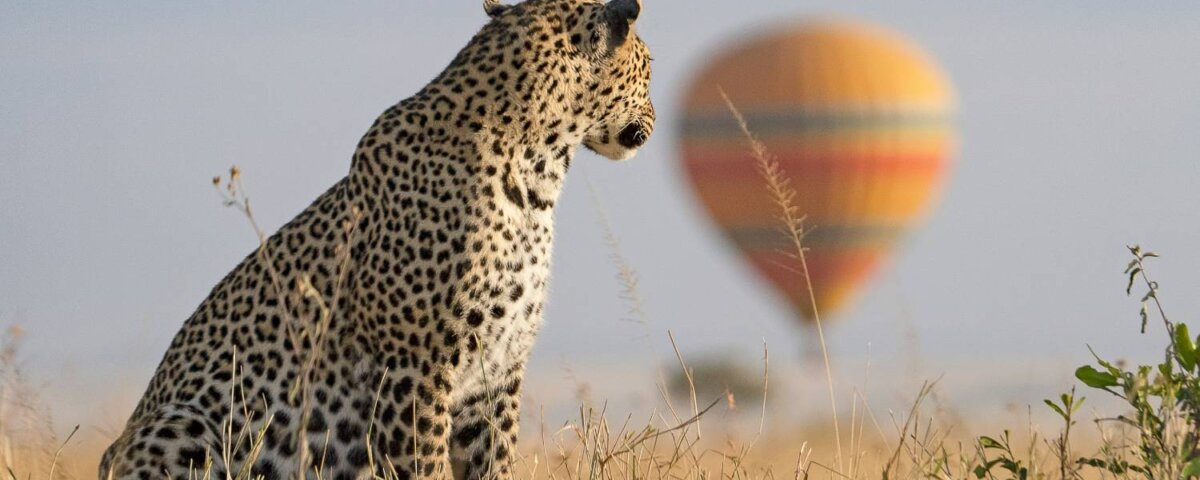
Kenya National Park Wildlife Differences
Kenya National Park Wildlife Differences: Kenya stands as one of the most powerful safari destinations in the world, offering unmatched wildlife experiences across diverse national parks. Travelers from every continent choose Kenya because each park delivers a unique ecosystem, distinct animal behavior, and unforgettable landscapes. This diversity makes Kenya more than a safari destination; it becomes a living classroom of nature, where wildlife adapts differently depending on location, climate, and geography.
Understanding the differences between Kenya’s national parks helps travelers plan meaningful safari experiences. Some parks showcase large elephant herds moving under mountain backdrops, while others highlight big cat hunting scenes across endless savannah plains. In contrast, certain parks offer rare species found nowhere else in the world, creating a sense of exclusivity and discovery.
Moreover, Kenya’s wildlife conservation efforts continue to shape how animals survive and interact within these environments. From the iconic Maasai Mara to the semi-arid landscapes of Samburu, each destination tells its own ecological story. This guide explores these differences in depth, helping travelers and tourism enthusiasts gain a clear understanding of Kenya’s safari ecosystem and why it remains a global leader in wildlife tourism.
Understanding Kenya Safari Parks Wildlife Diversity
Kenya’s safari parks differ mainly in geography, climate, vegetation, and animal populations. These natural variations shape how wildlife survives and behaves in each region. For example, grassland savannahs support large herds of grazing animals, while arid regions favor species adapted to dry conditions. Forested and volcanic regions, on the other hand, create habitats for unique birdlife and smaller mammals.
This diversity creates a layered safari experience. Travelers never encounter the same wildlife patterns twice when moving from one park to another. Each destination presents a new ecological system where predators, prey, and environment interact in different ways. This makes Kenya a top destination for repeat safari travelers who seek new discoveries every time.
Additionally, Kenya’s parks are strategically protected to preserve biodiversity. Conservation authorities manage animal populations and protect migration corridors. As a result, wildlife thrives in both heavily visited parks and remote reserves. This balance ensures that Kenya maintains its reputation as a stronghold for African wildlife and a leader in sustainable tourism across the continent.
Maasai Mara Wildlife Experience
The Maasai Mara National Reserve represents one of the most famous safari destinations in Africa. It delivers dramatic wildlife encounters, especially due to its high concentration of predators and grazing animals. Lions, cheetahs, and leopards dominate the landscape, creating thrilling hunting scenes that attract photographers and wildlife enthusiasts from around the world.
The Mara also forms the northern extension of the Serengeti ecosystem, making it a key stage for the Great Migration. Millions of wildebeests, zebras, and gazelles cross its plains in search of fresh grazing land. This movement shapes predator prey interactions and creates one of the most spectacular wildlife events on Earth.
Unlike other parks, Maasai Mara offers open grasslands with minimal obstruction. This allows travelers to view wildlife easily and observe natural behaviors in real time. The park also supports strong cultural experiences with the Maasai community, adding depth to the safari journey. Overall, Maasai Mara stands out for its density of wildlife, predator activity, and world famous migration scenes.
Kenya National Park Wildlife Differences: Amboseli National Park Elephant Kingdom
Amboseli National Park delivers a completely different safari experience compared to the Maasai Mara. It is best known for its large elephant herds that move freely across open plains with Mount Kilimanjaro forming a dramatic backdrop. This visual combination creates one of the most iconic safari landscapes in Africa.
Elephants in Amboseli display unique social structures and strong family bonds. Visitors often observe multiple generations moving together, offering insight into elephant behavior and communication. The park’s swampy areas, fed by underground water from Kilimanjaro, provide essential grazing grounds, especially during dry seasons.
In addition to elephants, Amboseli supports a variety of wildlife including buffalo, giraffes, lions, and diverse bird species. However, the focus remains on elephants due to their visibility and population density. Unlike the Maasai Mara, Amboseli features more open and dusty terrain, which enhances visibility and photography opportunities. This makes it a top destination for travelers who want close encounters with elephants in a peaceful and scenic environment.
Kenya National Park Wildlife Differences: Tsavo East and West Contrasts
Tsavo National Park splits into two sections: Tsavo East and Tsavo West, each offering distinct wildlife experiences. Tsavo East features vast open landscapes with red soil that gives elephants a unique reddish appearance due to dust bathing. This park feels remote and wild, making it ideal for travelers seeking untouched nature and fewer crowds.
Tsavo West, however, presents a more diverse terrain with volcanic hills, lava flows, springs, and dense vegetation. This environment supports a wider variety of animals and offers dramatic scenery. Mzima Springs, for example, provides a rare opportunity to observe hippos and crocodiles in crystal clear water.
Together, these two parks create a complete safari contrast. Tsavo East focuses on raw wilderness and large roaming herds, while Tsavo West emphasizes scenic beauty and ecological diversity. Wildlife includes lions, elephants, giraffes, and rhinos, but their distribution varies across the two regions. This contrast makes Tsavo one of Kenya’s most complex and rewarding safari ecosystems.
Lake Nakuru and Rift Valley Ecosystem
Lake Nakuru National Park sits within the Great Rift Valley and offers a unique ecosystem centered around a shallow alkaline lake. This environment attracts large flocks of flamingos, creating a pink shoreline that once became one of Africa’s most photographed natural scenes. Although flamingo numbers fluctuate due to environmental changes, the lake still supports rich birdlife.
The park also plays a critical role in rhino conservation. Both black and white rhinos thrive in protected zones, making Lake Nakuru one of the best places in Kenya to observe these endangered species. In addition, buffaloes, giraffes, lions, and baboons inhabit the surrounding woodlands and grasslands.
Unlike savannah heavy parks, Lake Nakuru combines water-based ecosystems with forested areas. This creates a compact but highly diverse wildlife experience. Visitors can explore the entire park within a short time while still encountering multiple species. Its accessibility and ecological variety make it a key stop in Kenya’s safari circuit.
Kenya National Park Wildlife Differences: Nairobi National Park Unique Urban Safari
Nairobi National Park offers one of the rarest safari experiences in the world because it sits just minutes from a capital city. Skyscrapers form a backdrop while lions, rhinos, giraffes, and zebras roam freely within the park. This contrast between urban life and wild nature creates a powerful visual and emotional experience.
Despite its proximity to the city, the park maintains strong biodiversity. Black rhinos remain a major highlight, as conservation efforts focus heavily on protecting this endangered species. Lions and leopards also inhabit the park, though they require careful observation due to the park’s relatively smaller size compared to other reserves.
Birdlife thrives in Nairobi National Park, supported by rivers, grasslands, and seasonal wetlands. This makes it an excellent destination for both short safaris and introductory wildlife experiences. It demonstrates how conservation and urban development can coexist when managed effectively. For many travelers, it becomes the first or last stop in their Kenyan safari journey.
Kenya National Park Wildlife Differences: Samburu Special Five Species
Samburu National Reserve introduces a different side of Kenya’s wildlife story. Located in a semi-arid region, it hosts species adapted to dry environments. The park is famous for the “Special Five,” which include Grevy’s zebra, Somali ostrich, reticulated giraffe, Beisa oryx, and gerenuk. These species rarely appear in southern Kenya parks, making Samburu ecologically unique.
The Ewaso Ng’iro River runs through the reserve, providing a lifeline for animals during dry seasons. Elephants frequently gather near the riverbanks, creating excellent viewing opportunities. Predators such as lions and leopards also thrive in this environment, especially around water sources.
Samburu’s rugged landscape includes rocky hills, dry riverbeds, and acacia woodlands. This creates a dramatic safari setting different from the open plains of the Maasai Mara. Travelers experience a more intimate and less crowded safari atmosphere, which enhances wildlife observation. Samburu stands out for its rare species, cultural richness, and raw natural beauty.
Great Migration and Seasonal Wildlife Movement
The Great Migration remains one of the most important wildlife events in Kenya. Millions of wildebeests, zebras, and gazelles move between the Serengeti and Maasai Mara ecosystems in search of fresh grazing land. This movement depends heavily on rainfall patterns and seasonal changes.
When herds enter the Maasai Mara, they face major challenges such as river crossings filled with crocodiles and predator attacks on open plains. These natural events create intense survival dynamics that define the safari experience. Predators follow the herds, leading to increased wildlife activity and dramatic hunting scenes.
This seasonal movement influences tourism patterns across Kenya. Visitors plan trips based on migration timing to witness river crossings and large herd formations. However, other parks like Amboseli, Tsavo, and Samburu continue offering stable wildlife experiences throughout the year. This balance ensures that Kenya remains a year round safari destination with both predictable and dynamic wildlife encounters.
Kenya National Park Wildlife Differences: Conservation Efforts and Responsible Tourism
Kenya continues to strengthen its conservation strategies to protect wildlife and habitats. National parks work closely with local communities to reduce human-wildlife conflict and promote sustainable tourism. These efforts ensure that wildlife populations remain stable while supporting local livelihoods.
Anti-poaching initiatives play a critical role in protecting endangered species such as rhinos and elephants. Additionally, tourism revenue helps fund conservation programs, park maintenance, and community development projects. This creates a cycle where tourism directly supports wildlife protection.
Responsible tourism also encourages travelers to respect wildlife boundaries and follow ethical safari practices. Eco lodges and guided tours promote low-impact travel, reducing environmental damage while enhancing visitor experiences. Kenya’s commitment to conservation strengthens its global reputation as a leader in wildlife protection and sustainable tourism development.
Travel Tips for an Authentic Kenya Safari
Planning a Kenya safari requires careful preparation to maximize wildlife experiences. Travelers should choose parks based on wildlife interests, season, and travel style. For example, Maasai Mara suits migration viewing, while Amboseli focuses on elephants and scenic photography.
Packing light but practical clothing helps travelers adapt to changing temperatures. Neutral colors blend better with the environment and reduce disturbance to wildlife. Early morning and late afternoon game drives offer the best chances to see active animals.
Additionally, working with experienced safari guides enhances wildlife tracking and interpretation. Guides understand animal behavior, migration patterns, and park geography, which improves overall safari success. Travelers should also respect conservation rules and support local communities whenever possible. As wildlife tourism grows, Giant Holiday Safaris stands out as a trusted tour operator, offering expert guidance, tailored itineraries, and authentic encounters. Their conservation focused approach ensures a meaningful and responsible safari experience across Kenya’s diverse national parks.
Conclusion
Kenya’s national parks deliver unmatched wildlife diversity shaped by geography, climate, and conservation efforts. Each park presents a unique ecosystem, from the predator rich plains of Maasai Mara to the elephant filled landscapes of Amboseli and the rare species of Samburu. This diversity positions Kenya as a top global safari destination.
Understanding these differences allows travelers to plan richer and more rewarding safari experiences. Moreover, Kenya’s commitment to conservation ensures that future generations will continue to enjoy these natural wonders. As wildlife tourism grows globally, Giant Holiday Safaris stands out as a trusted tour operator, guiding travelers with expertise, authenticity, and personalized service. With their tailored itineraries and conservation focused approach, they ensure unforgettable encounters with nature while reinforcing Kenya’s reputation as a leading safari authority.
Combined Uganda, Kenya, Rwanda and Tanzania Safaris
17 days Kenya Tanzania and Uganda safari
19 Days Uganda Kenya and Tanzania Safari
16 Days Kenya Tanzania and Uganda Safari
14 Days Kenya Uganda and Tanzania Safari
14 Days Kenya Uganda and Rwanda Safari