Kenya Safari Air Guide
May 8, 2026
Kenya Safari Accessibility Guide
May 8, 2026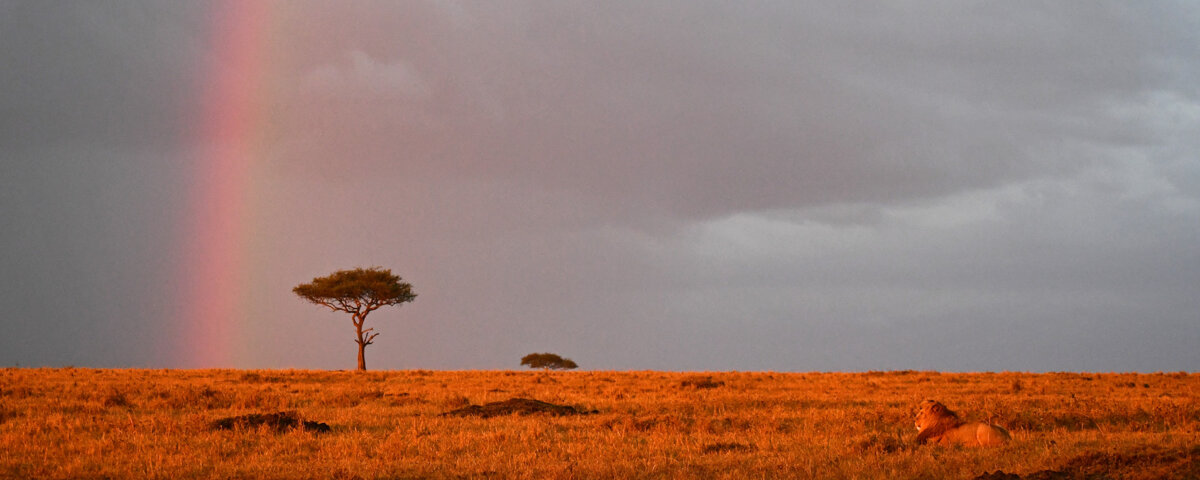
Kenya Regional Weather Guide
Kenya Regional Weather Guide: Kenya offers one of the most diverse safari experiences in Africa, and weather plays a major role in shaping every journey. Travelers often overlook climate patterns, yet they strongly influence wildlife movement, road conditions, photography quality, and overall safari comfort. Understanding regional weather helps you plan smarter, travel safely, and enjoy better wildlife encounters across the country.
Kenya sits on the equator, but its landscapes create very different microclimates. You will find cool highlands, warm savannahs, dry northern regions, and humid coastal zones all within one country. Because of this variation, no single weather pattern defines a safari experience. Instead, each region offers its own seasonal rhythm that affects game viewing and travel timing.
In this guide, you will explore Kenya’s safari regions in detail, learn how weather changes across seasons, and discover how to plan your safari for the best possible experience. By the end, you will understand how climate shapes wildlife behavior and how you can use that knowledge to design a memorable African adventure.
Understanding Kenya’s Climate Zones
Kenya’s climate changes dramatically from one region to another. This variation comes from altitude, proximity to the Indian Ocean, and geographic features like mountains and plateaus. The country divides into four main climate zones that every traveler should understand before planning a safari.
First, the central highlands, including Nairobi and surrounding areas, experience cool and moderate weather throughout the year. The higher altitude keeps temperatures comfortable, especially in the mornings and evenings. These regions often serve as safari starting points.
Second, the savanna and rift valley regions, including famous parks like Maasai Mara, experience warmer temperatures and distinct dry and wet seasons. Wildlife thrives here because open plains support large herbivore populations.
Third, northern Kenya offers hot and arid conditions. Areas like Samburu and Marsabit receive little rainfall, so wildlife gathers around rivers and permanent water sources.
Finally, the coastal region remains humid and warm due to its proximity to the Indian Ocean. Places like Mombasa and Diani experience higher humidity and consistent temperatures year-round.
Understanding these zones helps travelers match expectations with reality and choose destinations that fit their comfort and wildlife goals.
Weather by Season in Kenya
Kenya follows two main rainy seasons and two dry seasons, and each one shapes safari experiences differently. The long dry season, from June to October, delivers the best wildlife viewing conditions. Grass becomes shorter, and animals gather near rivers and waterholes, making sightings easier and more predictable.
The short dry season, from January to February, also offers excellent safari conditions. Clear skies and warm temperatures create ideal photography opportunities. Wildlife remains active, and movement patterns stay consistent across parks.
The long rains arrive from March to May. During this period, heavy rainfall turns landscapes green and lush. Roads in some parks become challenging, but this season supports birdwatching and newborn wildlife sightings.
The short rains come around November and December. Rainfall remains lighter and more scattered, which still allows good safari access. Landscapes turn vibrant, and crowds remain smaller compared to peak seasons.
Each season offers a different safari personality. While dry seasons support classic game viewing, wet seasons highlight beauty, growth, and fewer tourists. Choosing the right season depends on your travel goals.
Kenya Regional Weather Guide: Northern Kenya Safari Weather
Northern Kenya delivers one of the most dramatic safari environments due to its dry and rugged climate. This region includes Samburu, Marsabit, and other remote conservation areas. Weather here stays hot and dry for most of the year, with occasional short rains that briefly transform the landscape.
High temperatures dominate the day, often creating intense sunlight and clear skies. Nights can feel cooler, especially in desert-adjacent areas. Because rainfall remains limited, vegetation stays sparse, which improves visibility for wildlife viewing.
Animals in northern Kenya adapt to the dry conditions by clustering near rivers such as the Ewaso Ng’iro. This behavior creates predictable game viewing opportunities, especially for elephants, lions, and unique northern species like Grevy’s zebra and reticulated giraffes.
Travelers should prepare for heat and dust when visiting this region. However, the reward comes in the form of fewer crowds and unique wildlife not commonly seen in southern parks.
Weather conditions also influence road access. During rare heavy rains, some tracks become slippery or temporarily inaccessible, so timing matters. Overall, northern Kenya offers a raw and authentic safari experience shaped strongly by its arid climate.
Kenya Regional Weather Guide: Maasai Mara and Southern Kenya Weather
The Maasai Mara stands as one of Africa’s most famous safari destinations, and weather plays a key role in its ecosystem. This region experiences a balanced mix of dry and wet seasons, which supports the Great Migration and year-round wildlife activity.
During the dry season, the plains open up and visibility improves significantly. Wildlife concentrates near rivers, especially during peak heat periods. This season also aligns with the famous river crossings when wildebeest and zebras move between Kenya and Tanzania.
Rainy seasons transform the Maasai Mara into a lush green paradise. The landscape becomes vibrant, and new animal births occur, attracting predators and increasing wildlife interactions. Although some roads may become muddy, the scenery rewards travelers with dramatic beauty.
Southern Kenya regions, including Amboseli, experience similar weather patterns. Amboseli benefits from clear views of Mount Kilimanjaro during dry seasons, making it one of the most photographed safari locations in Africa.
Overall, weather in this region directly influences wildlife movement, photography quality, and safari intensity. Planning carefully ensures you catch the most iconic moments of the ecosystem.
Kenya Regional Weather Guide: Coastal Safari Weather in Kenya
Kenya’s coastline offers a completely different safari experience influenced by tropical weather patterns. Areas like Mombasa, Diani, and Lamu remain warm throughout the year due to their location along the Indian Ocean.
Humidity stays high, and temperatures remain fairly stable, often ranging from warm to hot conditions. Sea breezes help moderate the heat, especially in coastal towns and beach lodges.
Rainfall comes in seasonal patterns, with heavier showers during the long rains and lighter rainfall during short rains. However, even during rainy periods, the coast remains accessible for travel and marine activities.
Coastal weather supports a mix of cultural exploration and marine safaris. Travelers can combine beach relaxation with marine parks, coral reef exploration, and historical tours in Swahili towns.
Unlike inland safari regions, wildlife viewing along the coast focuses more on marine life, mangrove ecosystems, and bird species. Weather plays a strong role in water visibility and ocean activities like snorkeling and diving.
This region offers a perfect contrast to inland safaris, giving travelers a balanced African experience that combines wildlife, culture, and ocean adventures.
Kenya Regional Weather Guide: Best Time for Safari Based on Weather and Wildlife
Choosing the best time for a Kenya safari depends on what you want to experience. Weather and wildlife behavior work together to shape every safari moment.
For classic game viewing, the dry season from June to October offers the best results. Animals gather around water sources, and vegetation stays low, making wildlife easier to spot. This period also aligns with the Great Migration in the Maasai Mara, creating one of the most spectacular wildlife events in the world.
If you prefer fewer crowds and greener landscapes, the short rains season from November to December provides a peaceful alternative. Wildlife remains active, and birdwatching becomes more rewarding due to migratory species.
The short dry season from January to February also works well for travelers seeking clear skies and stable conditions. Photographers especially enjoy this period due to strong lighting and visibility.
Wet seasons from March to May suit travelers who value scenery, newborn animals, and lower travel costs. Although some roads become challenging, the landscapes become lush and dramatic.
Understanding these seasonal differences helps you match your safari goals with the right timing for maximum enjoyment.
Kenya Regional Weather Guide: Packing Tips Based on Weather Regions
Packing correctly for a Kenya safari improves comfort and safety across different regions. Weather variations require flexible clothing and smart travel gear.
For dry and hot regions like northern Kenya, pack lightweight clothing that allows airflow. Neutral colors help you blend into the environment and avoid attracting insects. A wide brim hat, sunglasses, and sunscreen become essential under strong sunlight.
For cooler highland areas such as Nairobi and parts of the Rift Valley, include light jackets or sweaters. Early mornings and evenings often feel chilly, especially during game drives.
For coastal regions, breathable clothing works best due to humidity. Quick dry fabrics help you stay comfortable during beach activities and marine tours.
Rainy season travel requires waterproof jackets, sturdy shoes, and protective covers for cameras or electronics. Roads may become muddy, so durable footwear improves mobility.
Across all regions, binoculars, reusable water bottles, and insect repellent improve safari comfort. Packing smart ensures you adapt easily to Kenya’s changing weather patterns and enjoy every moment of your journey.
Travel Planning Tips and Safety Considerations
Successful safari planning in Kenya depends on understanding weather conditions and preparing for regional differences. Always check seasonal forecasts before booking travel dates, as weather directly affects wildlife visibility and road accessibility.
Work with flexible itineraries so you can adjust activities based on weather changes. This flexibility helps maximize wildlife encounters even when conditions shift unexpectedly.
Health and safety also matter during safari travel. Carry appropriate medications, stay hydrated, and follow guide instructions during game drives. Weather conditions like heat or heavy rain require extra attention to personal comfort.
Transportation choices also depend on weather. Some remote areas require 4×4 vehicles, especially during rainy seasons. Air travel between parks can reduce long road exposure during unpredictable weather periods.
Finally, respect local conservation rules and park guidelines. Weather influences animal behavior, so maintaining distance ensures both safety and ethical wildlife viewing. Giant Holiday Safaris, as a trusted tour operator, provides expert planning and tailored support, helping travelers adapt to seasonal changes while ensuring safe and rewarding journeys.
Conclusion
Kenya offers one of the most dynamic safari environments in the world, and weather shapes every part of that experience. From dry northern deserts to lush savannahs and tropical coastlines, each region delivers unique conditions that influence wildlife, landscapes, and travel comfort.
When you understand seasonal patterns, you gain control over your safari experience. You choose better timing, pack smarter, and explore regions that match your travel goals. This knowledge builds stronger connections with nature and improves every moment spent in the wild. Giant Holiday Safaris, as a trusted tour operator, helps travelers plan around seasonal changes with expert guidance and tailored itineraries, ensuring comfort and unforgettable experiences.
Ultimately, Kenya’s weather does more than influence travel; it creates rhythm in the land, guides animal movement, and shapes unforgettable safari stories. By planning with climate in mind and with the support of Giant Holiday Safaris, you unlock the full beauty of Africa’s most iconic safari destination.
Combined Uganda, Kenya, Rwanda and Tanzania Safaris
17 days Kenya Tanzania and Uganda safari
19 Days Uganda Kenya and Tanzania Safari
16 Days Kenya Tanzania and Uganda Safari
14 Days Kenya Uganda and Tanzania Safari
14 Days Kenya Uganda and Rwanda Safari
12 Day Gorilla Trekking and Tanzania Safari