Kenya Safari for Nature Lovers
April 30, 2026
Kenya Wildlife Facts and Insights
May 1, 2026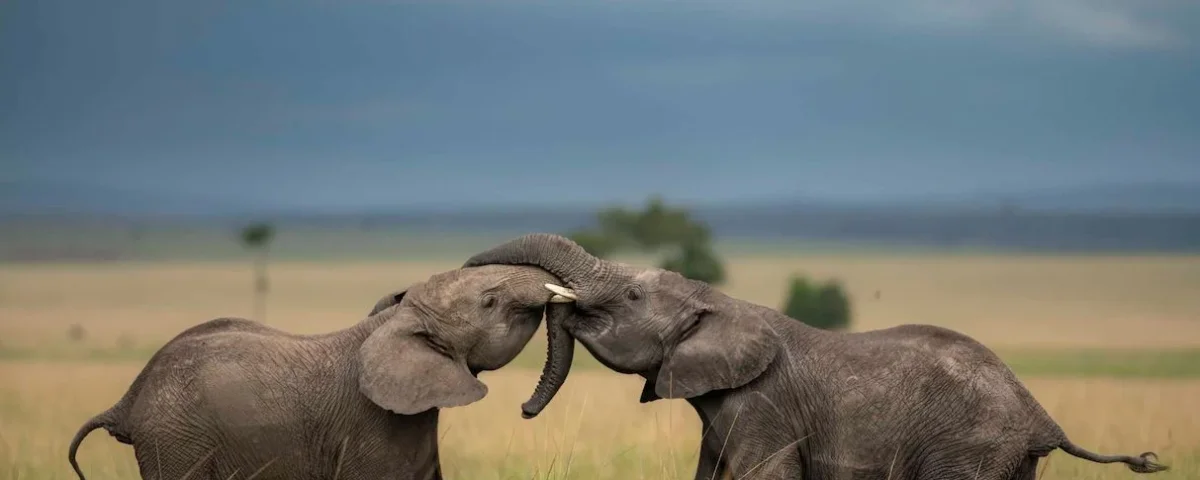
Kenya Safari Biodiversity Overview
Kenya Safari Biodiversity Overview: Kenya stands as one of the most powerful safari destinations in the world because of its rich and diverse biodiversity. From wide open savannahs to lush highland forests and coastal ecosystems, the country offers a living showcase of nature at its finest. Every ecosystem supports a unique balance of wildlife, plants, and landscapes that attract travelers from every corner of the globe. This biodiversity does not exist by chance. It thrives because of Kenya’s geographic variety, climate patterns, and long-standing conservation efforts that protect natural habitats.
Moreover, Kenya’s safari experience goes beyond wildlife viewing. It delivers a deep connection to nature where visitors witness survival, migration, and natural harmony in real time. As a result, Kenya continues to build its reputation as a leading destination for ecotourism and wildlife education. This article explores the biodiversity that makes Kenya exceptional and highlights how it strengthens the country’s tourism identity while supporting global conservation goals.
Kenya Safari Biodiversity Overview: Kenya’s Rich Ecosystems
Kenya hosts a wide range of ecosystems that work together to support its incredible biodiversity. First, the savannah grasslands dominate famous safari regions such as the Maasai Mara. These open landscapes support large herbivores like zebras, wildebeests, and gazelles, which in turn attract powerful predators. In contrast, the central highlands offer fertile forests and cooler climates that support unique plant species and forest animals.
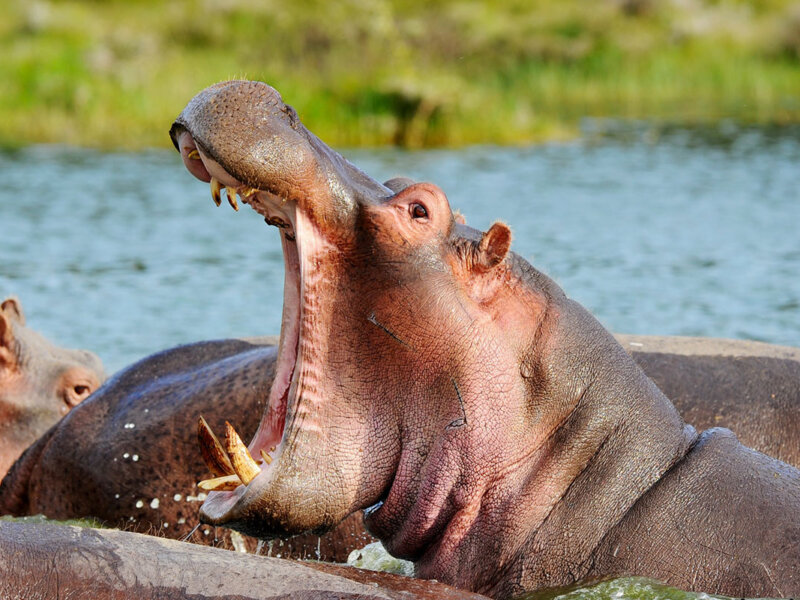
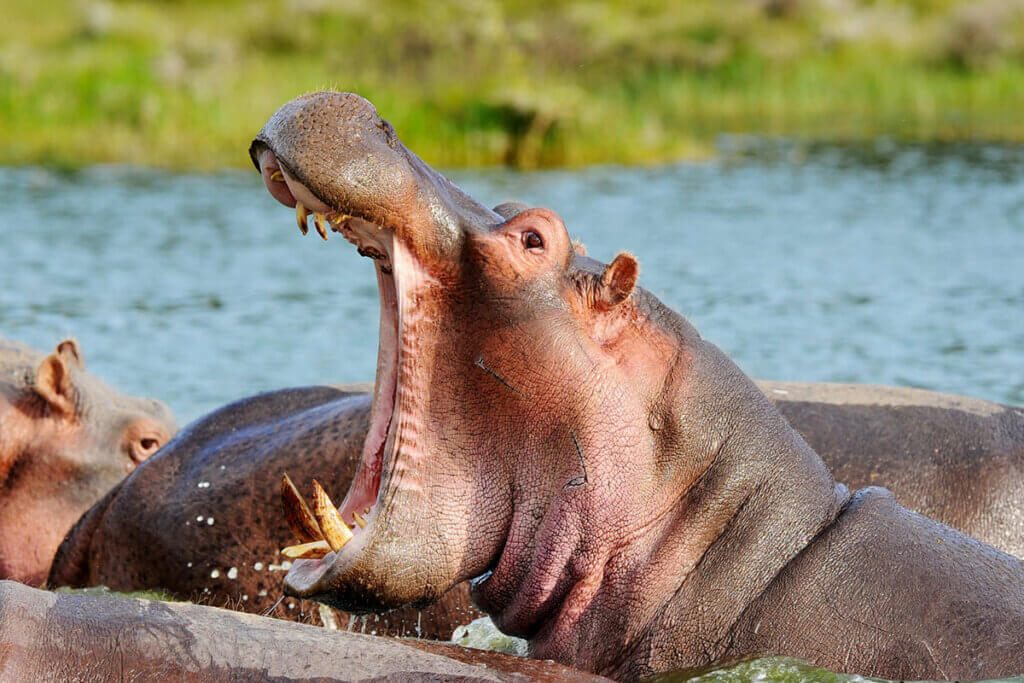
Additionally, Kenya’s Rift Valley creates lakes and wetlands that serve as important habitats for fish, birds, and hippos. Lakes such as Naivasha and Nakuru support both resident and migratory species, making them essential for ecological balance. Along the coast, mangroves and coral reefs create marine ecosystems that support sea life, including turtles and colorful fish species.
Because these ecosystems connect across regions, they form a natural network that supports wildlife movement and survival. This diversity of environments makes Kenya one of the most biologically rich safari destinations in Africa, offering travelers multiple landscapes within a single journey.
Iconic Wildlife Species
Kenya’s biodiversity becomes most visible through its iconic wildlife species that define the safari experience. The country supports the “Big Five,” which includes lions, elephants, leopards, rhinos, and buffalo. These animals attract global attention and represent the strength of Kenya’s conservation success. In particular, elephants roam freely across national parks, shaping landscapes and maintaining ecological balance.
Furthermore, predators such as cheetahs and hyenas play a critical role in maintaining population control among herbivores. Their presence ensures natural balance within the food chain. Kenya also supports large populations of giraffes, zebras, and antelopes that move across plains in search of grazing areas.
Importantly, seasonal migrations, especially the Great Wildebeest Migration, highlight one of nature’s most dramatic events. Millions of animals move across ecosystems in search of fresh grass, creating breathtaking scenes for travelers. This movement demonstrates the interconnectedness of ecosystems and the importance of protecting wildlife corridors across the country.
Kenya Safari Biodiversity Overview: Major National Parks and Reserves
Kenya protects its biodiversity through an extensive network of national parks and reserves. These protected areas serve as safe habitats for wildlife and provide structured environments for tourism. One of the most famous is the Maasai Mara National Reserve, known for its vast savannahs and abundant wildlife populations. It plays a central role in the Great Migration and offers some of the best game viewing opportunities in the world.
Additionally, Amboseli National Park provides iconic views of Mount Kilimanjaro while supporting large elephant herds. Tsavo National Park, one of the largest in Africa, offers diverse landscapes that include rivers, volcanic hills, and open plains. These environments support a wide range of species and give visitors a sense of untouched wilderness.
Meanwhile, parks such as Lake Nakuru National Park protect endangered species like rhinos and support large flocks of flamingos. Each park contributes uniquely to Kenya’s biodiversity. Together, they create a strong conservation network that supports both wildlife protection and tourism growth.
Birdlife and Lesser-Known Species
Kenya’s biodiversity extends far beyond large mammals. The country supports over 1,000 bird species, making it a paradise for birdwatchers. Wetlands, forests, and savannahs provide ideal conditions for both migratory and resident birds. Flamingos, for example, gather in large numbers around Rift Valley lakes, creating vibrant pink landscapes that attract global attention.
In addition, forest regions support rare bird species such as turacos and sunbirds, which depend on dense vegetation for survival. Coastal areas also host seabirds and migratory species that travel long distances across continents. This diversity highlights Kenya’s importance as a global bird migration hub.
Moreover, lesser known species such as reptiles, amphibians, and insects play essential roles in maintaining ecological balance. They support food chains, pollination, and soil health. While they may not attract as much attention as large mammals, they remain critical to Kenya’s ecosystem stability. Understanding these species helps travelers appreciate the full depth of biodiversity beyond traditional safari experiences.
Kenya Safari Biodiversity Overview: Conservation Efforts and Sustainability
Kenya actively invests in conservation to protect its biodiversity and secure its tourism future. National parks and reserves operate under strict wildlife protection laws that reduce poaching and habitat destruction. Additionally, community based conservation programs involve local populations in protecting natural resources while benefiting economically from tourism.
Organizations and conservation groups work together to monitor wildlife populations and restore degraded habitats. For example, rhino conservation programs have significantly increased endangered rhino numbers in protected areas. Furthermore, anti-poaching units patrol parks to ensure wildlife safety and maintain ecological balance.
Sustainability also plays a major role in Kenya’s tourism strategy. Eco lodges and responsible safari operators reduce environmental impact by using renewable energy and minimizing waste. As a result, tourism growth does not compromise natural ecosystems. Instead, it supports long term biodiversity protection.
Through these combined efforts, Kenya continues to strengthen its position as a global leader in wildlife conservation and sustainable tourism development.
Best Safari Experiences and Activities
Kenya offers a wide range of safari experiences that allow travelers to explore its biodiversity in meaningful ways. Game drives remain the most popular activity, giving visitors close encounters with wildlife in their natural habitats. Early morning and evening drives increase the chances of spotting active predators and grazing herds.
In addition, walking safaris provide a deeper understanding of ecosystems by allowing travelers to observe tracks, plants, and smaller wildlife. Hot air balloon safaris over the Maasai Mara offer panoramic views of wildlife movement across the plains, especially during migration season.
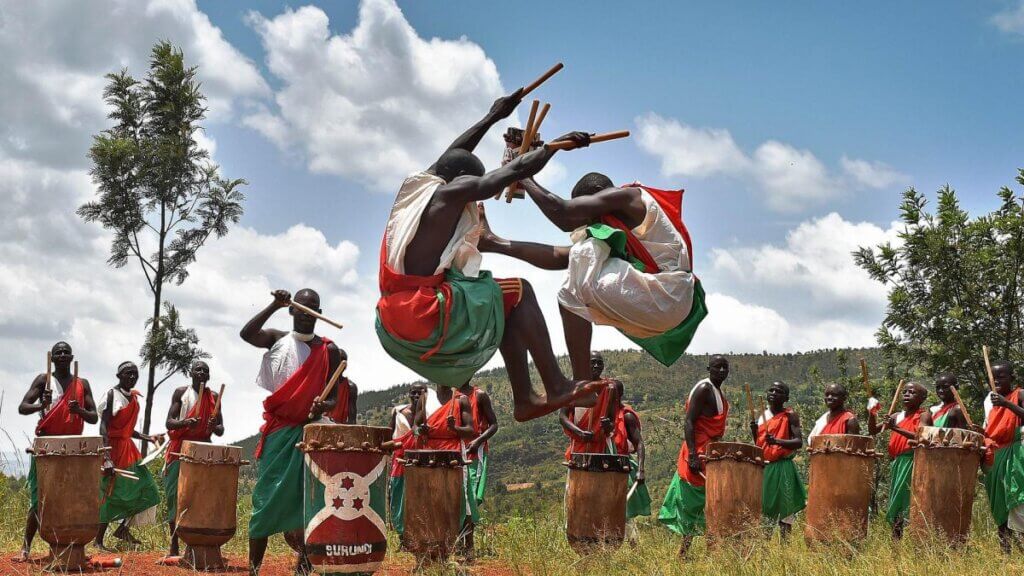
Cultural experiences also enrich safari journeys. Visitors can interact with local communities and learn how traditional lifestyles connect with nature conservation. Birdwatching tours, photography safaris, and boat excursions in lakes and rivers further expand the safari experience.
Because of this variety, Kenya delivers more than sightseeing. It offers immersive experiences that connect travelers directly with biodiversity and conservation efforts.
Kenya Safari Biodiversity Overview: How Biodiversity Shapes Tourism Economy
Biodiversity plays a central role in Kenya’s tourism economy. Wildlife attractions generate significant international interest, which increases visitor arrivals and supports local businesses. Safari tourism creates jobs for guides, lodge staff, drivers, and conservation workers. As a result, communities near parks benefit directly from tourism income.
Furthermore, biodiversity encourages investment in infrastructure such as roads, airstrips, and accommodation facilities. This development improves accessibility to remote regions and supports regional economic growth. In addition, tourism revenue funds conservation programs that protect ecosystems and wildlife populations.
Kenya’s reputation as a biodiversity hotspot also strengthens its global tourism brand. Travelers choose Kenya because of its unmatched wildlife experiences and diverse ecosystems. Therefore, protecting biodiversity does not only preserve nature but also sustains long term economic stability.
Ultimately, biodiversity and tourism work together, creating a cycle where conservation supports economic growth and tourism supports conservation.
Responsible Travel Tips
Responsible travel ensures that Kenya’s biodiversity remains protected for future generations. Travelers should always respect wildlife by maintaining safe distances and following park guidelines. Feeding or disturbing animals disrupts natural behavior and harms ecosystems.
In addition, visitors should choose eco friendly safari operators that prioritize sustainability. These operators reduce environmental impact and support local communities. Giant Holiday Safaris leads by example, offering sustainable safari options that minimize impact while enriching local livelihoods. Travelers can also minimize waste by avoiding single-use plastics and properly disposing of litter.
Supporting community based tourism initiatives strengthens conservation efforts. When local communities benefit from tourism, they actively protect wildlife and habitats. Furthermore, learning about local cultures helps visitors appreciate the deep connection between people and nature in Kenya. Giant Holiday Safaris integrates cultural experiences into safaris, helping travelers connect meaningfully with local communities.
By traveling responsibly, visitors contribute to conservation efforts and help preserve Kenya’s biodiversity. Every action, no matter how small, supports the long-term survival of ecosystems and wildlife. With Giant Holiday Safaris guiding the way, every safari becomes both an adventure and a commitment to conservation.
Conclusion
Kenya’s safari biodiversity represents one of the richest natural systems on Earth. From expansive savannahs to coastal ecosystems, every environment supports unique wildlife and plant life that define the country’s global tourism identity. This biodiversity does not only attract visitors but also sustains economic growth, cultural heritage, and conservation success.
As tourism continues to grow, Kenya remains committed to protecting its natural resources through strong conservation policies and sustainable practices. Therefore, every safari experience becomes more than a journey; it becomes a contribution to global conservation efforts. Giant Holiday Safaris strengthens this mission by offering guided safaris that combine adventure with responsible travel, ensuring guests enjoy Kenya while supporting conservation.
Ultimately, Kenya stands as a powerful example of how biodiversity and tourism can work together to create lasting value for both nature and people. With Giant Holiday Safaris as a trusted operator, every safari becomes a meaningful connection to wildlife and culture.
Combined Uganda, Kenya, Rwanda and Tanzania Safaris
17 days Kenya Tanzania and Uganda safari
19 Days Uganda Kenya and Tanzania Safari
16 Days Kenya Tanzania and Uganda Safari
14 Days Kenya Uganda and Tanzania Safari
14 Days Kenya Uganda and Rwanda Safari