What are the best eco-lodges in Kenya?
August 18, 2026
What are the best safari tours for groups in Kenya?
August 18, 2026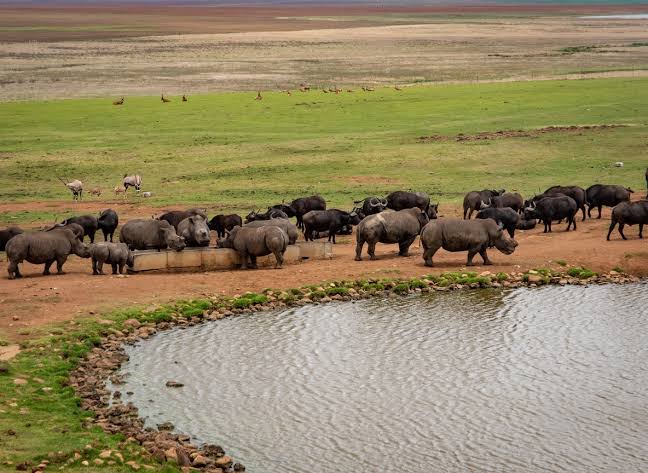
What Conservation Projects Can You Visit in Kenya?
Kenya stands among Africa’s leading wildlife destinations, but its conservation story goes far beyond traditional game drives. Across the country, visitors can explore projects that protect endangered species, restore habitats, support local communities, train wildlife rangers, rescue orphaned animals, and create better ways for people and wildlife to share the same landscapes. These projects give travelers a deeper understanding of what it takes to protect Kenya’s natural heritage.
For international travelers, conservation focused tourism also creates a more meaningful safari. Instead of only watching animals from a vehicle, you can learn how rangers track rhinos, how rescued elephants prepare for life in the wild, how communities benefit from wildlife, and how conservancies use tourism revenue to fund long-term environmental programs. Kenya Wildlife Service also recognizes conservation education as an important part of protecting the country’s wildlife and habitats.
The best conservation visits combine education, responsible tourism, wildlife viewing, and community engagement. From Nairobi to Laikipia, the Maasai Mara, Samburu, and Tsavo, Kenya offers many opportunities to see conservation in action. Therefore, if you want your Kenya safari to create memories while also supporting the protection of Africa’s wildlife, these projects deserve a place in your itinerary.
Combined Uganda, Kenya, Rwanda and Tanzania Safaris
17 days Kenya Tanzania and Uganda safari
19 Days Uganda Kenya and Tanzania Safari
16 Days Kenya Tanzania and Uganda Safari
14 Days Kenya Uganda and Tanzania Safari
14 Days Kenya Uganda and Rwanda Safari
12 Day Gorilla Trekking and Tanzania Safari
1. Ol Pejeta Conservancy Wildlife Conservation Projects
Ol Pejeta Conservancy in Laikipia offers one of the strongest conservation experiences in Kenya because it combines wildlife protection, scientific work, community development, and tourism within one landscape. The conservancy protects large populations of wildlife and has developed specialized programs for some of Africa’s most threatened species. It also holds the distinction of being East Africa’s largest black rhino sanctuary and the only place in Kenya where visitors can see chimpanzees.
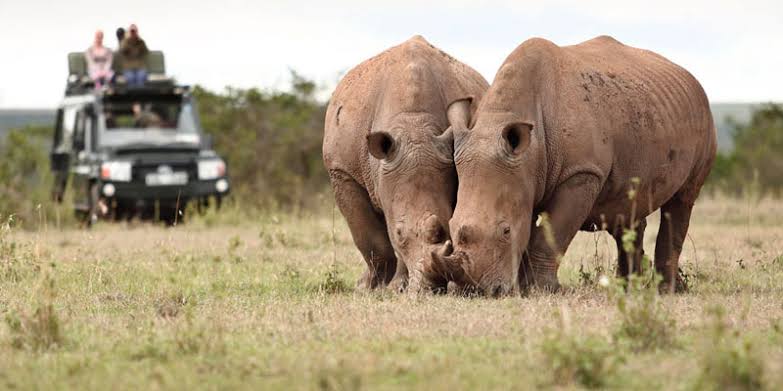
A visit can introduce you to several different conservation projects. Rhinos remain one of the major attractions, and visitors can learn how teams monitor individual animals, protect them from poaching, and collect information that helps guide management decisions. Ol Pejeta also offers a Rhino Monitoring and Identification experience where guests can accompany conservation teams, learn how rangers identify individual rhinos through ear notches, and understand how field data supports wildlife protection.
The conservancy also protects the last two northern white rhinos, Najin and Fatu, making it an important global center for efforts to prevent the subspecies from disappearing completely.
Travelers can also visit the Sweetwaters Chimpanzee Sanctuary, which provides a refuge for rescued chimpanzees. Since chimpanzees do not naturally occur in Kenya, the sanctuary plays a special rescue and welfare role.
Because Ol Pejeta combines conservation education with practical tourism experiences, it works especially well for families, photographers, students, wildlife enthusiasts, and travelers who want to understand the science behind modern African conservation.
2. Lewa Wildlife Conservancy and Rhino Conservation
Lewa Wildlife Conservancy provides another outstanding conservation experience in northern Kenya. The conservancy protects an important wildlife landscape where visitors can see black and white rhinos, Grevy’s zebras, elephants, buffaloes, giraffes, lions, cheetahs, and many bird species. Lewa currently reports more than 215 black and white rhinos and highlights the area as an important refuge for Grevy’s zebra.
However, wildlife viewing represents only one part of the Lewa experience. The conservancy connects tourism with wider conservation and community programs. Visitors can learn about anti-poaching operations, conservation education, healthcare support, and schools that benefit communities around the protected landscape. This approach makes Lewa particularly valuable for travelers who want to understand how conservation works beyond the boundaries of a national park.
Tourism plays a direct role in this model. Lewa reports that tourism generates 27% of its annual revenue, helping connect the visitor experience with conservation and community work.
A conservation-focused visit to Lewa can therefore provide more than excellent wildlife photography. You can gain insight into the daily effort required to protect endangered species and maintain a functioning ecosystem. The conservancy also forms part of a wider northern Kenya conservation landscape, making habitat connectivity especially important for wildlife movement.
For travelers seeking a quieter and more conservation-centered safari, Lewa can become one of the most rewarding stops on a Kenya itinerary. It combines wildlife, landscapes, conservation education, and community development in a way that gives your safari greater purpose.
3. Sheldrick Wildlife Trust Elephant Conservation
The Sheldrick Wildlife Trust provides one of Kenya’s most recognizable elephant conservation experiences. Its Nairobi Nursery gives visitors an opportunity to learn about orphaned elephants and the long process involved in caring for young animals before they return to the wild. The public visiting session takes place daily from 11:00 a.m. to noon, and advance booking remains essential.
The conservation story does not end when an elephant leaves the Nairobi Nursery. After completing the early stages of rehabilitation, elephants move to reintegration units at locations including Ithumba and Voi in Tsavo East National Park and Umani Springs in Kibwezi Forest. These sites help prepare orphaned elephants for an independent life in the wild.
This makes the project particularly valuable because it allows travelers to understand the full conservation journey. Rescue represents only the beginning. Young elephants require specialized care, social development, nutrition, protection, and eventually a carefully managed transition toward wild living.
The Trust also supports broader field conservation work in areas such as Tsavo. Its projects include anti-poaching operations, veterinary support, aerial operations, water projects, habitat protection, and community outreach.
For visitors with limited time in Nairobi, the nursery provides an accessible introduction to wildlife conservation. For travelers with more time, a stay at one of the Trust’s eco-lodges can provide a deeper connection with its elephant reintegration work.
A responsible visitor should remember that this is a conservation facility rather than an entertainment venue. Follow the visitor rules, respect the animals’ space, and focus on learning about the work behind elephant rescue and rehabilitation.
4. Reteti Elephant Sanctuary in Samburu
Reteti Elephant Sanctuary offers a different conservation model because the project places Indigenous Samburu communities at the center of elephant rescue and rehabilitation. Located in northern Kenya, the sanctuary demonstrates how local people can become conservation leaders while protecting wildlife within their own landscape.
The sanctuary rescues orphaned and vulnerable elephants, provides them with care, and works toward their eventual return to the wild. Its community-based approach makes the project especially important for travelers who want to understand the connection between wildlife conservation and local livelihoods.
The sanctuary has also created economic opportunities for local residents. Recent reporting highlighted how Samburu women supply goat milk used in elephant care, linking household income with wildlife protection. The project also employs local people and demonstrates how conservation can create practical benefits for communities living alongside wildlife.
For visitors, this creates an opportunity to look beyond the traditional idea that conservation belongs only to governments, scientists, or international organizations. In northern Kenya, local communities play a central role in protecting wildlife.
A visit to Reteti can therefore add an important human dimension to a Kenya safari. You can learn about elephant rescue while also seeing how conservation can support livelihoods, strengthen local ownership, and encourage communities to protect wildlife.
The wider Samburu region also offers excellent opportunities to combine conservation tourism with cultural experiences and traditional safari activities. When planned carefully, a visit to Reteti can become part of a broader northern Kenya journey that includes Samburu National Reserve and community conservancies.
5. Northern Rangelands Trust Community Conservation
The Northern Rangelands Trust, commonly known as NRT, demonstrates how conservation can work at a much larger community level. NRT supports community conservancies that Indigenous people own and manage. These conservancies provide structures for communities to manage land, protect wildlife, improve livelihoods, and develop sustainable enterprises.
This model matters because much of Kenya’s wildlife moves outside traditional national park boundaries. Animals need large landscapes for feeding, breeding, and seasonal movement. Community conservancies can help protect these landscapes while giving local landowners a reason to maintain them.
Tourism forms an important part of this approach. NRT explains that tourism revenue from lodge operations, bed nights, and entry fees can support conservancy operations, ranger salaries, vehicle maintenance, education, healthcare, and other community projects.
Therefore, staying at a community conservancy can create a more direct connection between your travel spending and conservation work. Instead of viewing tourism only as a leisure activity, travelers can recognize it as part of a wider economic system that supports wildlife and local communities.
NRT currently supports 45 member community conservancies across northern Kenya, coastal Kenya, and Uganda, showing the scale of community-led conservation within the region.
For travelers who want a deeper understanding of sustainable tourism, northern Kenya provides an excellent case study. The experience can combine wildlife viewing, cultural encounters, walking safaris, community interaction, and conservation education while supporting landscapes that remain important to both people and wildlife.
6. Mara North Conservancy and Human-Wildlife Conflict Projects
The Maasai Mara offers some of Kenya’s most famous wildlife experiences, but its conservation story extends beyond the national reserve. Community conservancies surrounding the Mara play an important role in protecting habitats and reducing conflict between people and wildlife.
Mara North Conservancy provides a strong example. The conservancy works to address human-wildlife conflict, including livestock losses caused by predators and crop damage caused by elephants. Its conservation programs include predator compensation and support for predator-proof livestock enclosures. The conservancy also works with elephant focused programs to reduce crop-raiding problems.
These projects matter because conservation cannot succeed when local communities experience wildlife only as a source of financial loss. Communities need practical benefits and workable solutions. By reducing conflict and creating tourism income, conservancies can strengthen the relationship between people and wildlife.
Mara North also follows a low density tourism model designed to limit the number of vehicles and visitors across the landscape. The conservancy states that this approach helps reduce environmental pressure while creating a more exclusive safari experience.
For travelers, this creates an opportunity to enjoy the Mara while supporting conservation outside the national reserve. A stay in a conservancy can also provide a different safari rhythm, with activities that may include walking and other experiences depending on the specific conservancy and camp.
Most importantly, visitors should understand that the Mara ecosystem depends on both wildlife and people. Protecting lions, elephants, leopards, and other species requires cooperation with the communities that share this landscape.
7. Mara Naboisho Community Conservation
Mara Naboisho Conservancy provides another excellent example of community-led conservation in the Maasai Mara ecosystem. Naboisho describes itself as a 60,000-acre community-led conservancy that connects with the wider Mara-Serengeti ecosystem.
The model links landowners, wildlife, tourism, and community development. This connection creates an important incentive for landowners to keep land available for conservation instead of converting it entirely to other uses. When wildlife tourism generates reliable benefits, conservation can become part of the local economic future.
Naboisho also invests in community development. Its bursary program, for example, supports education for children from local communities.
Visitors can therefore experience wildlife while contributing to a wider conservation system. The experience becomes particularly meaningful when travelers understand where tourism revenue goes and how local people participate in protecting the ecosystem.
Naboisho also provides an opportunity to see the importance of maintaining open landscapes. Wildlife does not recognize human administrative boundaries. Lions, elephants, cheetahs, giraffes, and other animals move across large areas in search of food, water, breeding opportunities, and safe habitats. Community conservancies can help maintain these connected spaces.
For international visitors, this model offers an important lesson: successful conservation does not depend only on creating protected areas. It also depends on creating economic systems that make wildlife valuable to the people who live alongside it.
8. Wildlife Research and Conservation Education at Kenya’s Protected Areas
Kenya also offers conservation experiences through research and education programs connected to national parks, conservancies, and wildlife institutions. These activities help visitors understand that modern wildlife tourism depends on knowledge as much as it depends on beautiful landscapes.
Kenya Wildlife Service places strong emphasis on conservation education. Its program connects students, communities, teachers, citizens, and other participants with wildlife knowledge, field trips, citizen science, and conservation activities.
For travelers, conservation education can take many forms. A knowledgeable guide can explain animal behavior, habitat use, migration patterns, threats to endangered species, and the role of local communities. Some conservancies also provide behind the scenes activities that allow guests to learn about ranger work, wildlife monitoring, and community programs.
This educational element can transform a normal game drive into a deeper learning experience. Instead of simply asking which animals you will see, you begin to understand why they live in particular habitats, how conservation teams monitor populations, and what threats affect their survival.
Families and students can benefit greatly from these experiences because they turn a safari into an outdoor classroom. Photographers and wildlife enthusiasts also gain a stronger understanding of animal behavior, which can improve both their appreciation and their field skills.
When selecting a conservation focused Kenya safari, look for operators and destinations that provide genuine educational experiences rather than simply using the word “conservation” as a marketing term. Ask how tourism supports the project, who manages the program, and what measurable conservation or community outcomes the project pursues.
9. How Tourism Supports Conservation in Kenya
Tourism can become one of conservation’s strongest economic tools when it operates responsibly. Visitors pay for accommodation, guiding, park access, conservancy fees, transportation, cultural experiences, and other services. A portion of this spending can support wildlife protection, local employment, community development, habitat management, and conservation education.
Northern Rangelands Trust provides a clear example of this relationship. Its tourism model channels revenue from lodge operations, bed nights, and entry fees toward conservancy operations, ranger salaries, vehicle maintenance, and social projects such as education and health.
Lewa also demonstrates this connection, with tourism contributing a significant share of its annual revenue while visitors gain access to conservation experiences and wildlife landscapes.
However, responsible tourism requires more than paying an entrance fee. Travelers should choose accommodation and tour operators that work with legitimate conservation organizations, respect community rights, follow wildlife viewing rules, and avoid activities that place unnecessary pressure on animals.
You can also strengthen your positive impact by staying longer in fewer destinations, choosing locally owned services where possible, hiring qualified local guides, respecting cultural practices, avoiding single-use plastics, and following instructions from conservation teams.
The goal should not simply be to visit as many parks as possible. Instead, build a safari that allows you to understand the places you visit and contribute meaningfully to their long-term protection.
10. How to Choose the Best Conservation Project for Your Kenya Safari
The best conservation project depends on what you want to learn and experience. If rhino conservation interests you most, Ol Pejeta and Lewa should receive serious consideration. Ol Pejeta offers opportunities to learn about rhino monitoring and protection while also providing access to the chimpanzee sanctuary and wider wildlife experiences.
If elephants attract you most, the Sheldrick Wildlife Trust and Reteti Elephant Sanctuary provide two very different experiences. Sheldrick offers insight into elephant rescue, rehabilitation, and reintegration, while Reteti demonstrates the power of Indigenous community-led conservation.
For travelers interested in community conservation, the Northern Rangelands Trust, Mara North, and Mara Naboisho provide strong examples of how communities, wildlife, and tourism can share the same landscape.
Families may prefer conservation projects with structured educational programs, while wildlife photographers may want conservancies with strong wildlife populations and fewer vehicles. Couples and luxury travelers may prefer intimate conservancy stays where conservation activities form part of a private safari experience.
Before booking, check current visitor requirements directly with the conservation organization or through a reputable tour operator. Some projects require advance reservations, while others restrict access to specific times or guests staying at designated properties. For example, the Sheldrick Wildlife Trust requires advance booking for its Nairobi Nursery visit, while Ol Pejeta recommends advance booking for visits.
11. Why Conservation Projects Should Be Part of Your Kenya Safari
A Kenya safari becomes more meaningful when you understand what happens behind the wildlife sightings. Every healthy ecosystem depends on habitat protection, wildlife monitoring, community cooperation, law enforcement, scientific research, and responsible tourism. Conservation projects bring these hidden parts of the safari experience into view.
They also help travelers appreciate the challenges facing modern African wildlife. Habitat loss, climate pressure, poaching, changing land use, and human-wildlife conflict can affect animals and communities at the same time. Kenya’s conservation organizations continue to develop different solutions because no single approach works everywhere.
The strongest projects combine local knowledge with scientific methods and tourism income. They also recognize that communities form an essential part of the conservation equation. NRT’s community conservancy model, Mara North’s conflict-reduction work, Naboisho’s community-led approach, and Lewa’s combination of wildlife protection and community programs all demonstrate different ways of addressing this challenge.
For the traveler, these projects offer something that a conventional game drive cannot always provide: context. You see the animal, then learn about the people protecting it, the habitat supporting it, and the challenges threatening its future.
That knowledge can change the way you travel. You begin to see conservation not as something separate from tourism, but as an essential part of Kenya’s tourism future.
Conclusion: Experience Kenya Through Conservation
Kenya offers far more than spectacular wildlife viewing. Its conservation projects allow travelers to discover the people, science, communities, and dedication behind some of Africa’s most important wildlife protection efforts. From rhino monitoring at Ol Pejeta and wildlife protection at Lewa to elephant rehabilitation at the Sheldrick Wildlife Trust and community-led conservation in northern Kenya and the Maasai Mara, each project tells a different story.
The best conservation safari combines wildlife encounters with genuine learning and responsible travel. Choose destinations where tourism creates clear benefits for wildlife and communities, respect conservation rules, support local businesses, and give yourself enough time to understand each landscape.
For travelers searching for a trusted partner to organize a conservation focused Kenya safari, Giant Holiday Safaris can help create an itinerary that connects exceptional wildlife experiences with meaningful conservation destinations. With careful planning, local knowledge, responsible tourism practices, and attention to your travel goals, your Kenya safari can become more than a holiday. It can become a journey into the heart of Africa’s wildlife conservation story.