What are the best Great Migration safari packages?
August 27, 2026
What Are the Best Kenya Safari Destinations for Bird Lovers?
Kenya stands among Africa’s finest birdwatching destinations because its landscapes support an extraordinary mix of habitats, from open savannah and wetlands to forests, lakes, mountains, and coastal ecosystems. For bird lovers, a Kenya safari offers far more than the chance to see famous mammals. You can spend a morning watching flamingos gather around a soda lake, follow a colorful sunbird through a forest canopy, scan the grasslands for secretary birds, or watch raptors circle above the plains. Each destination brings a different birding experience, which makes Kenya especially rewarding for travelers who want variety.
Birdwatching in Kenya also works well alongside a traditional wildlife safari. You can look for lions, elephants, leopards, giraffes, and buffalo while keeping your binoculars ready for eagles, rollers, bee-eaters, hornbills, storks, and other species. Furthermore, Kenya sits along important migratory routes, so the birdlife changes throughout the year. Migratory species add another layer of excitement during the wetter months, while resident birds provide excellent sightings throughout much of the year.
The best Kenya safari destinations for bird lovers include the Maasai Mara, Lake Nakuru, Lake Naivasha, Samburu, Amboseli, Tsavo, Kakamega Forest, Mount Kenya, and the coastal region. However, each location suits a slightly different type of birding. Some offer exceptional waterbirds, others specialize in forest species, while several provide excellent opportunities for spotting large raptors and dry-country birds.
For international travelers, choosing destinations based on habitat rather than simply following the most famous safari circuit can create a much richer birding holiday. With the right route, season, guide, accommodation, and timing, Kenya can deliver an impressive combination of wildlife photography, birdwatching, landscapes, and cultural experiences.
Combined Uganda, Kenya, Rwanda and Tanzania Safaris
17 days Kenya Tanzania and Uganda safari
19 Days Uganda Kenya and Tanzania Safari
16 Days Kenya Tanzania and Uganda Safari
14 Days Kenya Uganda and Tanzania Safari
14 Days Kenya Uganda and Rwanda Safari
12 Day Gorilla Trekking and Tanzania Safari
Why Kenya Is an Excellent Birdwatching Destination
Kenya offers an unusually strong combination of habitats within a relatively manageable travel area. This diversity gives bird lovers access to different bird communities without requiring an expedition across an entire continent. Within one safari itinerary, you can move from highland forests to lakes, grasslands, dry savannah, acacia woodland, and coastal habitats. Consequently, the species you encounter can change dramatically from one destination to the next.
The country also supports hundreds of resident and migratory bird species. Many birds remain in Kenya throughout the year, while migrants arrive during particular periods when food and water conditions support them. Therefore, bird lovers can plan their safari around either year-round species or seasonal migration opportunities.
Another major advantage comes from Kenya’s established safari industry. Experienced guides understand wildlife behavior, habitat patterns, and the best times to search for different species. A knowledgeable birding guide can make a major difference because many birds hide in thick vegetation, remain high in trees, or blend into the landscape. Instead of simply driving through a reserve, a specialist guide can help you identify calls, nesting behavior, feeding areas, and distinctive flight patterns.
Kenya also offers excellent photographic opportunities. Large birds such as secretary birds and crowned cranes provide impressive subjects, while smaller species such as bee-eaters, sunbirds, and rollers reward patient photographers. With careful planning, travelers can combine serious birdwatching with a classic Big Five safari, creating a balanced experience that appeals to both dedicated birders and first-time safari travelers.
Maasai Mara National Reserve for Savannah Birding
The Maasai Mara remains one of Kenya’s most celebrated safari destinations, and it also provides excellent opportunities for bird lovers. Its wide grasslands, seasonal rivers, scattered acacia trees, and woodland patches create habitats for a broad range of birds. Although many travelers visit the Mara primarily for lions, leopards, cheetahs, elephants, and the Great Migration, birdwatchers can build an impressive species list while exploring the same ecosystem.
Raptors are one of the major attractions. You may encounter bateleurs, tawny eagles, martial eagles, long-crested eagles, and various vultures. These birds play an important role in the ecosystem because they hunt prey or help clean up remains left by predators. Open grasslands also provide suitable habitat for secretary birds, ostriches, crowned cranes, and several species of lapwings and coursers.
The Mara becomes even more interesting during periods when migratory birds enter the region. Their presence adds seasonal variety to the resident species already occupying the ecosystem. Early morning game drives work particularly well because birds become active as temperatures remain cool and light improves.
Bird lovers should also pay attention to smaller species. Rollers, bee-eaters, shrikes, starlings, weavers, and sunbirds can appear around woodland edges and open plains. A good guide can help distinguish similar species and locate birds that casual safari visitors might overlook.
For travelers who want both exceptional mammal viewing and rewarding birdwatching, the Maasai Mara provides one of the strongest all-round safari experiences in Kenya.
Lake Nakuru National Park for Waterbirds and Raptors
Lake Nakuru National Park offers a very different birdwatching experience because its ecosystem revolves around a major Rift Valley lake surrounded by woodland, grassland, and rocky areas. The lake and its surrounding habitats attract numerous waterbirds, making Nakuru particularly valuable for travelers interested in aquatic species.
Flamingos are among the birds associated with Lake Nakuru, although their numbers can change as water levels and food conditions change. Rather than planning an entire visit around one species, bird lovers should explore the broader ecosystem. Pelicans, herons, egrets, cormorants, storks, kingfishers, and other water-associated birds can add variety to a birding day.
The surrounding park also supports impressive raptors and woodland birds. African fish eagles are especially exciting because their strong calls and dramatic hunting behavior create memorable sightings. You may also encounter augur buzzards, eagles, vultures, and other birds of prey while driving around the park.
Lake Nakuru also offers an advantage for travelers who want a compact safari experience. The park combines bird-rich wetlands with opportunities to see rhinos, buffalo, giraffes, lions, and other wildlife. This makes it suitable for families, first-time safari travelers, photographers, and dedicated birdwatchers who want to add mammals to their itinerary.
Because lake conditions can change, responsible birdwatchers should focus on the entire ecosystem rather than expecting a fixed flamingo spectacle. This approach creates a more accurate and rewarding understanding of Kenya’s dynamic wetland environments.
Lake Naivasha for Diverse Waterbird Experiences
Lake Naivasha provides another excellent destination for bird lovers traveling through Kenya’s Great Rift Valley. The freshwater lake supports a wide variety of waterbirds, while nearby vegetation, acacia woodland, grassland, and agricultural landscapes create additional habitats. As a result, birdwatchers can often build a diverse species list without traveling long distances between habitats.
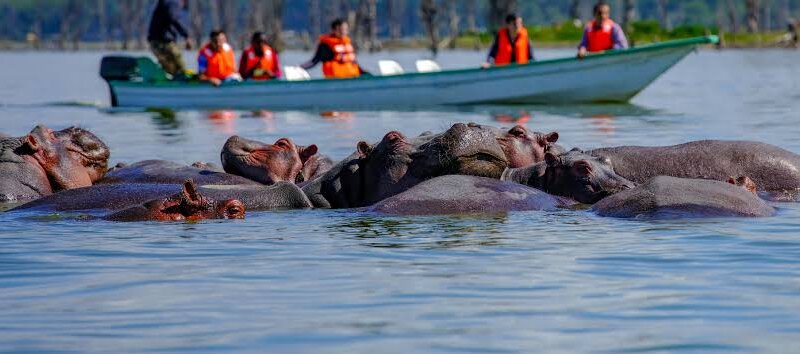
African fish eagles are among the highlights around the lake. Their presence adds excitement to boat trips and shoreline birding because these powerful raptors often perch near the water while watching for opportunities to hunt. You can also look for pelicans, herons, egrets, cormorants, kingfishers, jacanas, and other water-associated species.
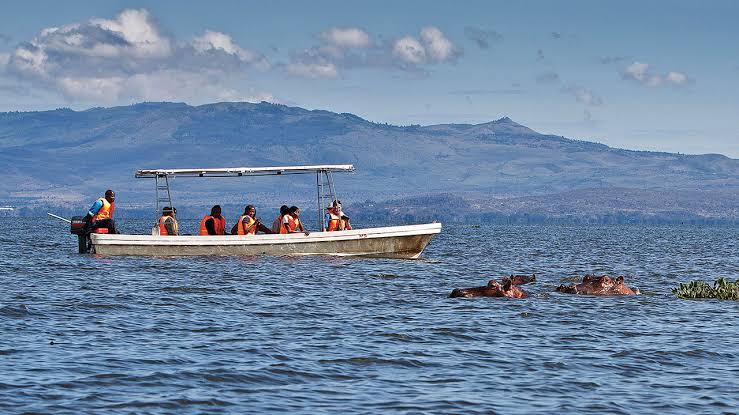
Boat excursions can provide a particularly useful perspective. Instead of viewing the lake only from land, travelers can approach bird-rich areas carefully and observe species from the water. However, responsible operators should maintain safe distances and avoid disturbing nesting or feeding birds.
The area also works well as a stop between Nairobi and other major safari destinations. Bird lovers can combine Lake Naivasha with Lake Nakuru, Maasai Mara, or Hell’s Gate National Park. This flexibility makes the lake valuable for both short birdwatching trips and longer Kenya safari itineraries.
For beginners, Naivasha offers an accessible introduction to African birding. For experienced birders, the combination of waterbirds, raptors, woodland species, and seasonal migrants creates enough variety to justify spending more time in the area.
Samburu National Reserve for Dry-Country Birds
Samburu National Reserve offers one of the most distinctive birdwatching experiences in Kenya because its dry landscape supports species adapted to arid and semi-arid environments. The Ewaso Ng’iro River provides a vital water source, creating a green corridor through an otherwise dry ecosystem. This contrast attracts birds to the riverbanks, woodland, and surrounding plains.
The reserve is especially valuable for travelers who want to expand their bird list beyond the species commonly found in wetter savannahs. Dry country habitats support specialized birds that may not appear in the same numbers in places such as the Maasai Mara. Vultures, eagles, hornbills, starlings, rollers, weavers, and other species can be found across the reserve.
Birdwatching around the river can be particularly productive. Water attracts birds from surrounding dry areas, while trees along the river provide nesting and resting sites. Early morning drives often offer the best combination of bird activity, comfortable temperatures, and attractive photographic light.
Samburu also combines birdwatching with distinctive wildlife. Visitors can encounter species such as Grevy’s zebra, reticulated giraffe, gerenuk, and Somali ostrich, alongside elephants and other familiar African animals. This makes Samburu an excellent choice for travelers who want their safari to feel different from the classic southern Kenya experience.
A visit to Samburu therefore adds ecological depth to a Kenya safari. It demonstrates how dramatically bird and wildlife communities change when rainfall, vegetation, elevation, and water availability change.
Amboseli National Park for Birds Against Mount Kilimanjaro
Amboseli National Park is famous for its dramatic views of Mount Kilimanjaro and its large elephant herds, but bird lovers also have strong reasons to visit. The park contains wetlands, seasonal swamps, open plains, acacia woodland, and dry areas. This combination creates a varied habitat for waterbirds, raptors, grassland birds, and woodland species.
The park’s wetlands are especially important. Water attracts herons, egrets, storks, ibis, pelicans, kingfishers, and other species. At the same time, surrounding grasslands support birds adapted to open habitats. Raptors can often be spotted scanning the plains, while smaller birds use shrubs and trees for food and shelter.
Amboseli is also a strong photography destination. The combination of birds, wildlife, wetlands, and Mount Kilimanjaro can create striking images when weather conditions provide clear views. Early morning often offers the best light, while cooler temperatures encourage bird activity.
However, bird lovers should remember that conditions in Amboseli can change significantly. Wetland size and bird concentrations depend on water availability. Therefore, a flexible approach produces better results than expecting exactly the same species or numbers on every visit.
For travelers who want a safari that combines landscape photography, elephants, birdwatching, and one of Africa’s most recognizable mountain views, Amboseli deserves a place on the itinerary.
Tsavo National Parks for Raptors and Woodland Birds
Tsavo East and Tsavo West form one of Kenya’s largest protected wilderness areas and provide a rewarding environment for bird lovers who appreciate expansive landscapes. Their dry savannah, volcanic terrain, river systems, woodland, and seasonal water sources create habitats for numerous bird species.
Tsavo is particularly interesting for travelers who enjoy raptors and large birds. Eagles, vultures, kites, buzzards, and other birds of prey use the park’s open landscapes to hunt and search for food. Large ground birds and woodland species also add diversity.
Tsavo West provides additional habitat variety through rocky landscapes, springs, lava flows, and vegetation. Tsavo East offers broad plains and riverine environments that can support different bird communities. Visiting both parks can therefore produce a more varied birding experience than focusing on one habitat alone.
The sheer scale of Tsavo also gives birdwatchers a sense of wilderness that differs from smaller parks. Long drives can reveal changing landscapes and unexpected sightings. Patience matters because bird activity may concentrate around water sources, river corridors, and patches of vegetation.
Tsavo works particularly well for travelers who want a quieter safari atmosphere while still enjoying strong wildlife and birdwatching opportunities. With a knowledgeable guide and enough time, the parks can become one of the most rewarding parts of a bird-focused Kenya itinerary.
Kakamega Forest for Kenya’s Best Forest Birding
Kakamega Forest offers a completely different experience from Kenya’s famous savannah reserves. Located in western Kenya, this forest ecosystem provides habitat for numerous forest-dependent birds. For serious birdwatchers, it deserves special attention because many forest species require patient observation and careful listening.
Unlike open savannah birding, forest birding often depends on calls, movement, and careful scanning through dense vegetation. A bird may remain hidden even when it is close. Consequently, experienced guides become especially valuable because they understand where different species feed, perch, and move through the forest.
The forest supports colorful and specialized birds, including turacos, hornbills, barbets, sunbirds, flycatchers, and other forest species. The rich vegetation also creates opportunities to observe butterflies, primates, insects, and other wildlife, making the experience more than a simple bird checklist.
Kakamega also appeals to travelers who want to explore a less traditional side of Kenya tourism. Instead of focusing only on the Big Five, visitors can experience the ecological importance of forests and the smaller species that contribute to healthy ecosystems.
Bird lovers should allow enough time for forest walks because rushing through dense habitat can reduce the quality of sightings. Early morning walks generally provide excellent opportunities because bird activity can increase before the heat of the day becomes intense.
For a specialist birdwatching itinerary, Kakamega can provide some of Kenya’s most rewarding forest experiences.
Mount Kenya for Highland and Forest Birds
Mount Kenya offers another important habitat for birdwatchers because elevation creates distinct ecological zones. As you travel upward, vegetation changes from farmland and forest to higher altitude habitats. Each zone supports different birds, allowing travelers to explore several bird communities within one mountain ecosystem.
The lower forest areas can produce sightings of turacos, sunbirds, barbets, and other woodland species. As elevation increases, the birdlife changes along with the vegetation. Highland environments can support specialized species adapted to cooler conditions and different food sources.
Birdwatching around Mount Kenya also provides an opportunity to combine nature with hiking and scenic exploration. Travelers who enjoy active holidays can include guided walks alongside traditional game drives. This combination creates a slower and more immersive way to experience Kenya’s natural environment.
The mountain region also demonstrates why habitat diversity matters so much in African birding. Two locations separated by relatively short distances can host very different species because altitude, rainfall, vegetation, and temperature influence where birds can survive.
Travelers should plan carefully around altitude and weather, especially if they intend to hike higher sections. A comfortable pace allows more time for observation and photography while reducing unnecessary physical strain.
For bird lovers seeking forests, highland landscapes, and a more active safari experience, the Mount Kenya region provides an excellent complement to Kenya’s lowland parks.
Kenya’s Coast for Forest, Wetland, and Coastal Birds
Kenya’s coast provides a valuable final dimension to a bird-focused safari because coastal ecosystems differ greatly from inland savannah. Areas around Mombasa, Kilifi, Watamu, Malindi, and nearby forests contain mangroves, beaches, coral ecosystems, wetlands, coastal woodland, and forest habitats.
These environments support different bird communities from those found in the Maasai Mara or Samburu. Coastal birding can include waders, kingfishers, sunbirds, herons, egrets, terns, and other species associated with shorelines, wetlands, forests, and mangroves.
The coast also works well at the end of a safari. After several days exploring inland parks, travelers can move toward the Indian Ocean and combine birdwatching with relaxation. This creates a balanced itinerary that includes wildlife, nature, culture, and beach experiences.
Watamu and surrounding coastal habitats can be particularly appealing to travelers interested in combining birding with marine conservation. Mangroves and wetlands play important ecological roles, providing feeding and breeding areas for many species while also supporting wider coastal ecosystems.
Because coastal birding involves several habitat types, travelers should avoid limiting their search to beaches. Forest edges, wetlands, mangrove areas, and protected coastal habitats can produce more varied sightings.
A well planned coastal extension can therefore transform a traditional Kenya safari into a broader nature journey that covers several major ecological zones.
The Best Time for Birdwatching in Kenya
Kenya offers birdwatching throughout the year, but the ideal period depends on the species and experience you want. Resident birds remain available in every season, while migratory species create additional opportunities during their arrival periods. Consequently, bird lovers should choose travel dates based on their priorities rather than relying on one universal “best” month.
The wetter periods can be highly productive because rainfall stimulates plant growth and increases insect activity. More food can encourage birds to become active and may also support breeding behavior. Migratory species can add further diversity during suitable periods.
The dry season also offers major advantages. Animals and birds often concentrate around reliable water sources, vegetation becomes less dense, and visibility can improve. These conditions can make it easier to locate larger birds and raptors across open landscapes.
Early mornings remain important regardless of the season. Birds usually become active during cooler hours, while strong midday heat can reduce visible activity. Late afternoons can also provide useful sightings as temperatures fall.
Serious birdwatchers should build flexibility into their itinerary. Weather, water levels, food availability, breeding cycles, and local habitat conditions influence bird activity. A good safari does not depend on seeing one specific species. Instead, it focuses on understanding the ecosystem and maximizing opportunities across several habitats.
How to Plan a Kenya Safari for Bird Lovers
A bird focused Kenya safari requires slightly different planning from a standard wildlife holiday. First, select destinations according to habitat diversity. A route that combines a forest, wetland, savannah, and dry-country environment can produce a broader species list than a trip focused entirely on one ecosystem.
Next, allow enough time at each destination. Birdwatching rewards patience. Short stops may work for obvious large species, but small forest birds and shy species often require longer observation. Therefore, travelers should avoid packing too many destinations into a short itinerary.
A specialist guide can also make a major difference. Good birding involves more than recognizing colorful birds. Guides help identify calls, locate hidden species, understand behavior, and choose productive habitats. Travelers should also carry quality binoculars, a field guide, a notebook or birding app, and appropriate camera equipment if photography matters.
Accommodation matters as well. Camps and lodges near forests, wetlands, rivers, or other productive habitats can offer opportunities before and after formal game drives. Some birds may appear around gardens, water points, or natural vegetation near accommodation.
Finally, keep expectations realistic. Nature does not operate like a schedule. Some days may produce dozens of species, while others may focus on a few memorable sightings. The best birding safari values quality encounters, habitat understanding, conservation, and responsible travel alongside the size of the final checklist.
Responsible Birdwatching and Wildlife Conservation in Kenya
Responsible birdwatching protects the very ecosystems that make Kenya special. Travelers should maintain suitable distances from birds, especially around nests, breeding colonies, and feeding areas. Avoiding sudden movements and loud noises can reduce disturbance and create better viewing conditions at the same time.
Bird lovers should also avoid attempting to attract birds through harmful or inappropriate methods. Wildlife should remain wild, and responsible observation should never place pressure on animals simply to produce a photograph or checklist entry.
Supporting protected areas, community conservation programs, responsible camps, and qualified local guides can contribute to long-term conservation. Tourism provides an economic reason to protect habitats when local communities and conservation organizations benefit fairly from visitor spending.
Plastic waste also deserves attention. Travelers can carry reusable water bottles, minimize disposable packaging, and dispose of waste properly. Small actions become meaningful when thousands of visitors follow the same approach.
Birdwatchers can further contribute by keeping accurate personal records and sharing observations responsibly. Good records can help travelers understand seasonal changes and improve future planning. However, sensitive information about rare breeding sites should receive careful treatment to prevent disturbance.
Ultimately, responsible birdwatching should leave the ecosystem in the same condition or better than the visitor found it. Kenya’s birdlife depends on healthy wetlands, forests, grasslands, rivers, and coastal habitats. Protecting these environments ensures that future generations can experience the same extraordinary diversity.
Combining Birdwatching With a Classic Kenya Safari
One of Kenya’s greatest advantages for bird lovers is that you do not need to choose between birdwatching and traditional wildlife viewing. The two experiences naturally overlap. A morning game drive through the Maasai Mara can produce lions, cheetahs, giraffes, and elephants while also delivering eagles, vultures, rollers, storks, and smaller grassland birds.
This combination makes Kenya particularly attractive to couples, families, photographers, and groups with different interests. One traveler can focus on birds while another enjoys mammals and landscapes. With a well-planned itinerary, everyone can enjoy the same safari without sacrificing personal interests.
A balanced route might combine the Maasai Mara for savannah wildlife, Lake Nakuru or Naivasha for waterbirds, Samburu for dry-country species, and a forest destination for specialized birds. Travelers with more time can add Amboseli, Tsavo, Mount Kenya, or the coast.
The key lies in choosing the right pace. A rushed itinerary can turn birdwatching into a frustrating checklist exercise. Instead, allow time for slow drives, guided walks where permitted, and quiet observation.
Kenya’s strength lies in this variety. You can begin the day beside a Rift Valley lake, spend the afternoon watching wildlife on open plains, and later enjoy birds around a forest lodge. That range gives bird lovers an opportunity to experience Africa as a connected ecosystem rather than as a collection of isolated attractions.
Final Thoughts: Choosing the Right Kenya Safari for Bird Lovers
Kenya offers one of Africa’s strongest birdwatching experiences because its protected areas contain an exceptional range of habitats. The Maasai Mara delivers outstanding savannah birding alongside famous wildlife. Lake Nakuru and Lake Naivasha provide excellent opportunities for waterbirds. Samburu introduces dry-country species, while Amboseli combines wetlands, birds, elephants, and spectacular mountain scenery. Tsavo adds vast wilderness, raptors, and woodland birds, while Kakamega Forest and Mount Kenya open the door to specialized forest and highland species. The coast completes the picture with a unique mix of wetlands, mangroves, forests, and coastal habitats.
For the best results, choose destinations according to the birds and habitats you want to experience. Give yourself enough time, travel with suitable equipment, work with knowledgeable guides, and remain flexible because wildlife conditions change naturally. Most importantly, approach birdwatching as a way to understand Kenya’s ecosystems rather than simply collecting names on a checklist.
For international travelers seeking dependable planning, strong destination knowledge, responsible safari practices, and carefully designed Kenya wildlife experiences, Giant Holiday Safaris can provide the expertise needed to turn a birdwatching interest into a well rounded African safari. With the right itinerary, Kenya becomes more than a destination for famous animals it becomes a remarkable journey into the country’s extraordinary birdlife, landscapes, and conservation heritage.