What safari animals are easiest to photograph in Kenya?
August 19, 2026
What are the best camera lenses for safari?
August 19, 2026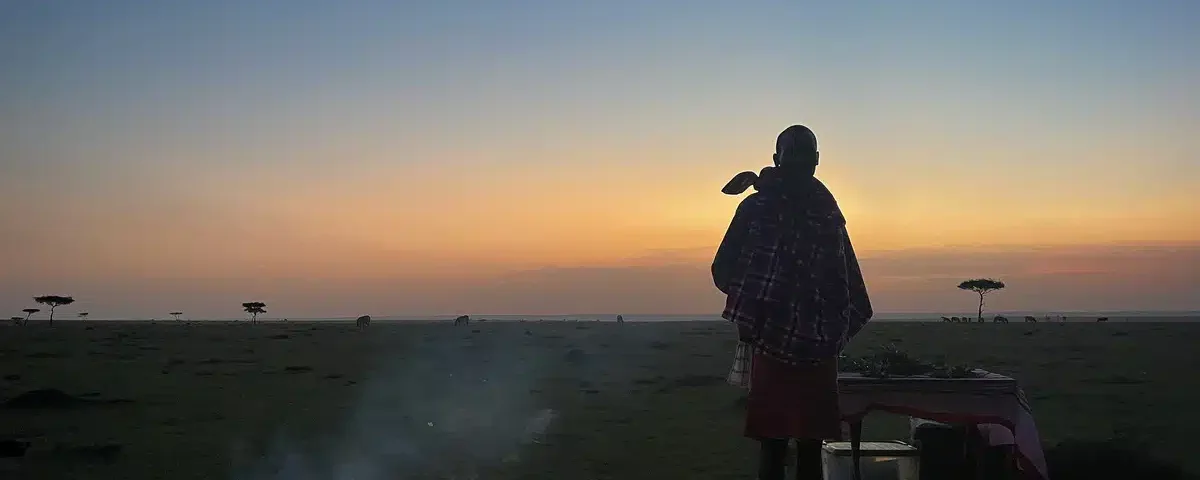
What Are the Best Sunset Safari Experiences in Kenya?
Kenya offers some of Africa’s most memorable safari experiences, and watching the sun disappear across the wilderness adds a special layer of beauty to the journey. A Kenyan sunset safari combines wildlife, changing light, open landscapes, and peaceful evening moments into one unforgettable experience. As the afternoon heat fades, animals often become more active, while the sky changes from bright gold to deep orange, pink, purple, and red. This creates excellent conditions for photography and gives travelers a chance to experience Kenya beyond the usual daytime game drive.
The best sunset safari experiences in Kenya do not depend only on finding a beautiful viewpoint. The destination, season, wildlife activity, guide, timing, and style of safari all matter. Some travelers prefer watching elephants cross the plains as the sun drops behind distant hills. Others want to see lions becoming active during the cooler evening hours. In places such as the Maasai Mara, Amboseli, Tsavo, Samburu, and private conservancies, each sunset creates a different atmosphere.
For international travelers, a sunset safari also offers a slower and more personal way to experience Kenya. Instead of rushing from one wildlife sighting to another, you can pause and appreciate the landscape, listen to the sounds of nature, and watch the wilderness change as daylight fades. Therefore, choosing the right destination can turn an ordinary game drive into one of the most meaningful moments of a Kenya safari.
Combined Uganda, Kenya, Rwanda and Tanzania Safaris
17 days Kenya Tanzania and Uganda safari
19 Days Uganda Kenya and Tanzania Safari
16 Days Kenya Tanzania and Uganda Safari
14 Days Kenya Uganda and Tanzania Safari
14 Days Kenya Uganda and Rwanda Safari
12 Day Gorilla Trekking and Tanzania Safari
Why Sunset Safaris Are Special in Kenya
Sunset safaris stand out because they combine wildlife viewing with one of nature’s most beautiful daily events. During a normal game drive, travelers often focus on animals, tracks, birds, and landscapes. However, an evening drive introduces another dimension. As the sun moves toward the horizon, the light becomes softer and warmer. The landscape takes on a golden appearance, and familiar scenery can suddenly look completely different.
Moreover, many animals respond to the cooler temperatures of the late afternoon. Lions may begin moving after resting during the hottest part of the day. Elephants can become more comfortable as temperatures fall, while giraffes, zebras, buffaloes, antelopes, and other herbivores continue feeding across the plains. Predators may also start preparing for their nighttime activities. Although wildlife sightings can never come with a guarantee, the changing behavior during the evening makes this period especially interesting.
Sunset also creates outstanding photography opportunities. Golden light can highlight an elephant’s shape, create silhouettes around giraffes, and give distant mountains a dramatic appearance. Even travelers who do not consider themselves photographers can capture memorable images because the natural light does much of the work.
Most importantly, a sunset safari gives travelers time to slow down. Kenya’s wilderness can feel vast and powerful, especially when the vehicle stops at a scenic location and the only sounds come from birds, insects, wind, and distant animals. That peaceful atmosphere often becomes one of the strongest memories of the entire safari.
Maasai Mara Sunset Safari Experiences
The Maasai Mara remains one of Kenya’s most famous safari destinations, and it provides exceptional settings for sunset game drives. The reserve’s open grasslands create wide horizons, allowing travelers to see the sun descend across an enormous African landscape. Rolling plains, scattered trees, wildlife, and distant hills combine to create classic safari scenery.
A late afternoon drive in the Maasai Mara can begin with wildlife viewing before gradually turning into a sunset experience. This approach works well because the safari does not depend entirely on the sunset itself. Travelers can spend the earlier part of the drive searching for lions, elephants, cheetahs, leopards, giraffes, buffaloes, and plains game. Then, as the light becomes warmer, the guide can position the vehicle in a suitable area for the final golden-hour views.
The Maasai Mara also offers excellent opportunities for travelers who want photography and wildlife together. The low evening sun can create strong silhouettes and warm colors across the grasslands. A herd of wildebeest moving across the plains can look especially dramatic against a glowing horizon. Likewise, elephants walking through golden grass can create powerful images without requiring complicated photography equipment.
However, travelers should understand that the exact sunset experience depends on where they stay and the rules of the area they visit. Some private conservancies offer more flexible evening activities than the main reserve. Therefore, travelers who specifically want an evening or sunset-focused safari should choose accommodation and safari areas that match this goal before booking.
Amboseli Sunset Safaris With Mount Kilimanjaro Views
Amboseli National Park offers one of Kenya’s most recognizable safari landscapes. The park sits close to the Tanzania border and provides spectacular views toward Mount Kilimanjaro when weather conditions allow. This combination makes an Amboseli sunset particularly attractive to travelers who want dramatic scenery alongside wildlife.
During an evening game drive, elephants often become a major highlight. Amboseli has a strong reputation for elephant viewing, and seeing these large animals move across the plains while the sky changes color creates a remarkable experience. The animals can appear as dark silhouettes against the warm evening sky, especially when the sun sits low on the horizon.
Furthermore, the park’s open terrain gives travelers broad views across the ecosystem. You can often see distant hills, dry plains, wetlands, acacia trees, and wildlife within the same landscape. When Mount Kilimanjaro appears clearly, the mountain adds another impressive feature to the sunset scene.
Weather plays an important role, however. Clouds can cover the mountain even when the sunset itself looks beautiful. For that reason, travelers should not judge an Amboseli safari only by whether they see Kilimanjaro. The park has its own wildlife and landscape appeal, and the changing evening light can remain spectacular even when the mountain stays hidden.
For photographers, Amboseli works especially well because elephants, open plains, and the mountain can create strong compositions. For first-time safari travelers, the destination also provides a powerful introduction to Kenya’s diverse landscapes.
Tsavo Sunset Safari Adventures
Tsavo offers a different kind of sunset safari experience. Because Tsavo East and Tsavo West cover vast areas, travelers encounter a wilderness that feels rugged, remote, and expansive. The landscapes range from open plains and bushland to rocky areas, volcanic features, and seasonal water sources.
The famous red soil associated with Tsavo can become particularly striking during late afternoon. When warm sunlight reaches the landscape, the earth, vegetation, and wildlife can take on rich colors. This creates a sunset atmosphere that differs from the open grasslands of the Maasai Mara.
Tsavo also offers opportunities to see elephants, lions, giraffes, buffaloes, zebras, antelopes, and many bird species. Because wildlife spreads across a large ecosystem, each evening drive can feel like an exploration rather than a predictable sightseeing trip. Your guide may spend time following tracks, checking water sources, or searching areas where animals show signs of recent activity.
Additionally, Tsavo’s rugged character appeals to travelers who want a less polished wilderness atmosphere. The park can feel wild and remote, especially in quieter areas away from busy wildlife concentrations.
Sunset drives here can therefore provide more than a beautiful photograph. They allow visitors to appreciate the scale of Kenya’s protected landscapes and understand why conservation requires large connected ecosystems. As daylight fades, the experience becomes increasingly peaceful, making Tsavo an excellent option for travelers who value scenery, space, wildlife, and a genuine wilderness feeling.
Samburu Sunset Safari Experiences
Samburu National Reserve provides another excellent setting for a Kenya sunset safari. Located in northern Kenya, Samburu has a landscape that differs greatly from the greener and more open environments associated with the Maasai Mara. Dry hills, rocky terrain, acacia trees, and the Ewaso Ng’iro River create a distinctive northern Kenya atmosphere.
The river plays an important role in the ecosystem. Wildlife often depends on water sources, especially during drier periods, and this can make areas near the river interesting places to explore during a game drive. As the afternoon progresses, the changing light can highlight the surrounding hills and vegetation.
Samburu is also known for several wildlife species that travelers may not commonly associate with the southern Kenyan safari circuit. The reserve and surrounding ecosystem support animals such as Grevy’s zebra, reticulated giraffe, gerenuk, Somali ostrich, and Beisa oryx. These species give a Samburu safari a different wildlife character.
At sunset, the dry northern landscape can take on warm copper and orange tones. The hills can create beautiful silhouettes, while acacia trees provide natural framing for photographs. Because the environment feels so different from the Maasai Mara, Samburu works particularly well for repeat visitors who want to discover another side of Kenya.
A sunset safari in Samburu also creates an opportunity to appreciate northern Kenya’s cultural and ecological importance. The region combines wildlife conservation, pastoral communities, traditional livelihoods, and tourism in a landscape that deserves careful and responsible exploration.
Sunset Safaris in Private Kenyan Conservancies
Private conservancies can provide some of the most flexible sunset safari experiences in Kenya. Many conservancies operate alongside or near major wildlife areas and combine conservation with tourism and community benefits. Their smaller-scale approach can create a more personal safari atmosphere.
One major advantage involves activity flexibility. Depending on the specific conservancy and its regulations, travelers may have opportunities for evening game drives that operate differently from standard schedules in national parks. This flexibility can make a significant difference for visitors who specifically want to experience the landscape during golden hour and into the evening.
Private conservancies can also provide a quieter environment. Fewer vehicles may allow travelers to enjoy wildlife sightings with less congestion. This does not guarantee better wildlife sightings, but it can improve the overall quality of the experience because travelers can spend more time observing animal behavior without feeling rushed.
Another important benefit involves conservation. Well-managed conservancies can generate tourism income that supports wildlife protection and local communities. As a result, choosing responsible accommodation and safari operators helps travelers contribute to a wider conservation system.
For international visitors, conservancies can also provide experiences beyond traditional game drives. Depending on the location, activities may include guided walks, cultural visits, bush meals, and other carefully managed experiences. Therefore, travelers seeking a more exclusive and flexible sunset safari should consider Kenya’s private conservancy model when planning their itinerary.
The Best Time of Year for a Kenya Sunset Safari
Kenya offers safari opportunities throughout the year, but seasonal conditions can influence the quality and character of a sunset experience. The dry seasons often make wildlife easier to locate because vegetation becomes less dense and animals may concentrate around reliable water sources. These conditions can create excellent opportunities for game viewing before sunset.
The dry months can also produce strong sunset colors because of the clarity of the atmosphere. However, weather conditions vary between regions, and travelers should avoid expecting identical conditions across the entire country. Kenya has diverse ecosystems, so one destination may experience different conditions from another at the same time.
The wetter seasons have their own advantages. Rain can transform landscapes, bring fresh vegetation, and create dramatic clouds. These clouds can produce spectacular sunsets when sunlight breaks through them. The scenery may also look greener and more vibrant, while many migratory birds become easier to notice.
Therefore, there is no single month that guarantees the perfect sunset. Instead, the best time depends on the traveler’s priorities. Wildlife-focused visitors may prefer periods with stronger game-viewing conditions, while photographers may enjoy the dramatic skies and fresh landscapes associated with wetter periods.
A skilled safari planner should consider destination, weather, wildlife patterns, road conditions, accommodation, and travel goals together. That approach creates a stronger itinerary than simply choosing dates based on a general safari calendar.
What Makes a Great Sunset Safari Experience?
A great sunset safari involves much more than arriving at a viewpoint before the sun disappears. Timing, guide expertise, vehicle comfort, location, safety, and responsible tourism all influence the experience.
First, the timing matters. A good safari should allow enough time for wildlife viewing before the final sunset moment. Arriving too late can turn the experience into a quick photo stop rather than a complete game drive. Conversely, leaving too early may mean missing the most beautiful light.
The guide also plays a central role. Experienced guides understand animal behavior, road conditions, conservation rules, and the landscape. They can read tracks, identify calls, notice changes in animal behavior, and choose suitable viewing locations. Their knowledge helps travelers understand what they see instead of simply taking photographs.
Vehicle choice matters as well. A comfortable, well-maintained safari vehicle allows travelers to spend several hours exploring without unnecessary discomfort. Large windows, good visibility, and sufficient space for photography can make the experience more enjoyable.
Most importantly, responsible tourism should remain at the heart of the experience. Travelers should respect wildlife distances, avoid loud behavior, follow park regulations, and never pressure guides to break conservation rules for photographs. A good sunset safari protects the environment while giving visitors a meaningful connection with nature.
How to Photograph a Kenyan Sunset on Safari
Kenya’s sunset landscapes can produce excellent photographs even with a basic camera or smartphone. The key lies in timing, composition, patience, and understanding the available light. You do not always need expensive equipment to capture a memorable image.
First, consider the position of the sun. Instead of photographing the sun alone, include a strong foreground subject. An elephant, giraffe, acacia tree, vehicle, or group of birds can create a striking silhouette. This approach gives the image depth and makes the photograph tell a story.
Golden-hour light also works well for wildlife portraits. When the sun sits low, its warm light can illuminate animals from the side and create attractive highlights around their bodies. However, avoid getting so focused on photography that you miss the experience itself.
A smartphone can also perform well if you keep the lens clean and avoid excessive digital zoom. Stabilize the phone against a safe surface when possible and take several photographs because light changes quickly during sunset.
Travelers using professional cameras should consider adjusting exposure to protect bright areas in the sky. Silhouette photographs often look better when the exposure favors the sky rather than the darker animal. At the same time, RAW photography gives advanced users more flexibility during editing.
Above all, respect wildlife and park rules. Never ask a driver to position the vehicle dangerously or leave designated roads simply to improve a photograph. A responsible image is always better than a perfect image created at the expense of conservation.
What Should You Bring for a Sunset Safari?
Packing correctly can make a sunset safari more comfortable and enjoyable. Temperatures often change during the day, so travelers should prepare for both warm afternoon conditions and cooler evening air. Lightweight clothing works well during the warmer hours, while a light jacket or fleece can provide comfort as the temperature falls.
A pair of quality binoculars can significantly improve wildlife viewing. While cameras capture images, binoculars help travelers examine animal behavior, distant birds, and details across the landscape. Sunglasses also help during the brighter part of the drive.
A camera or smartphone remains useful, but travelers should also bring extra batteries or a reliable power bank. Safari vehicles can spend many hours away from charging points, and repeated photography can quickly drain a phone battery.
Water remains essential. Even when temperatures begin to fall, travelers should stay hydrated. Sunscreen, insect protection, a hat, and comfortable shoes can also improve the overall experience.
Additionally, travelers should pack lightly. A crowded safari vehicle makes movement and photography more difficult. Keep essential items within easy reach and protect electronics from dust.
Finally, bring patience. Wildlife does not follow a schedule, and the best sunset may develop slowly. A traveler who remains observant can notice small details that become just as memorable as the main sunset itself. Birds returning to roost, elephants walking across the horizon, or a distant herd moving through golden grass can all become part of the story.
How to Choose the Right Sunset Safari Destination in Kenya
Choosing the right destination starts with understanding what you want from the experience. Travelers interested in classic open savanna landscapes may find the Maasai Mara highly rewarding. Those who want elephants and possible Mount Kilimanjaro views may prefer Amboseli. Visitors seeking rugged scenery and vast wilderness can consider Tsavo, while Samburu suits travelers who want northern Kenya’s unique wildlife and landscapes.
Budget also matters. Luxury lodges and private conservancies can provide highly personalized experiences, while mid-range and budget safari options can still deliver excellent wildlife viewing. The quality of the guide and itinerary often matters more than simply choosing the most expensive accommodation.
Travel time should also influence the decision. Kenya covers a large area, and moving between destinations can take several hours. A well-designed itinerary avoids spending too much of the trip on the road. Instead, it combines destinations that complement each other.
Travelers should also examine the conservation practices of the safari company and accommodation provider. Responsible tourism supports wildlife protection, local communities, ethical guiding, and environmental care.
Most importantly, do not choose a destination simply because it appears beautiful in photographs. Ask what type of landscape, wildlife, accommodation, activities, and travel pace the destination provides. When those elements match your expectations, the sunset becomes an enhancement to an already excellent safari rather than the only reason for visiting.
Planning a Memorable Kenya Sunset Safari
A memorable sunset safari begins with good planning but leaves room for nature to surprise you. Start by selecting destinations based on your interests rather than trying to visit every famous park in one short trip. Spending enough time in one ecosystem usually creates a deeper experience than rushing through several destinations.
Next, choose accommodation carefully. Staying close to the wildlife area can reduce unnecessary travel and give you more time for game drives. Private conservancies can offer additional flexibility, while established national parks provide their own distinctive experiences.
Your safari guide should also receive careful consideration. A knowledgeable guide can transform an ordinary drive into an educational journey. They can explain animal behavior, identify birds, describe ecosystems, and help travelers understand conservation challenges.
International travelers should also consider travel seasons, internal transport, entry requirements, health preparation, travel insurance, and appropriate clothing before departure. Planning these practical details early reduces stress once the safari begins.
Finally, maintain realistic expectations. Kenya provides some of the world’s strongest safari experiences, but wildlife remains wild. You may see an unforgettable predator sighting one evening and spend another evening enjoying birds, landscapes, and smaller animals. Both experiences have value.
The strongest safari mindset combines curiosity, patience, respect, and appreciation. When travelers approach the wilderness with those qualities, even a simple sunset over the savanna can become a powerful lifelong memory.
Final Thoughts on the Best Sunset Safari Experiences in Kenya
Kenya offers an extraordinary range of sunset safari experiences, from the open grasslands of the Maasai Mara to the elephant-filled plains of Amboseli, the rugged wilderness of Tsavo, the distinctive northern landscapes of Samburu, and the more flexible experiences available in private conservancies. Each destination creates its own version of the African sunset, and each provides travelers with an opportunity to connect with Kenya’s wildlife and landscapes in a deeper way.
The best sunset safari does not necessarily come from the most expensive lodge or the most famous park. Instead, it comes from the right combination of destination, timing, knowledgeable guiding, responsible wildlife practices, comfortable travel, and realistic expectations. When these elements work together, travelers can experience more than a beautiful sunset. They can witness changing animal behavior, explore remarkable ecosystems, support conservation, and create memories that remain meaningful long after returning home.
For travelers searching for reliable Kenya safari planning and authentic African travel experiences, Giant Holiday Safaris provides a trusted path toward discovering the country’s wildlife, landscapes, culture, and unforgettable safari moments. With thoughtful planning and a strong commitment to quality travel experiences, the right safari can turn a simple evening drive into one of the defining memories of your African adventure.