Is Amboseli National Park Worth Visiting?
May 23, 2026
Which Airport Is Best for Kenya Safaris?
May 23, 2026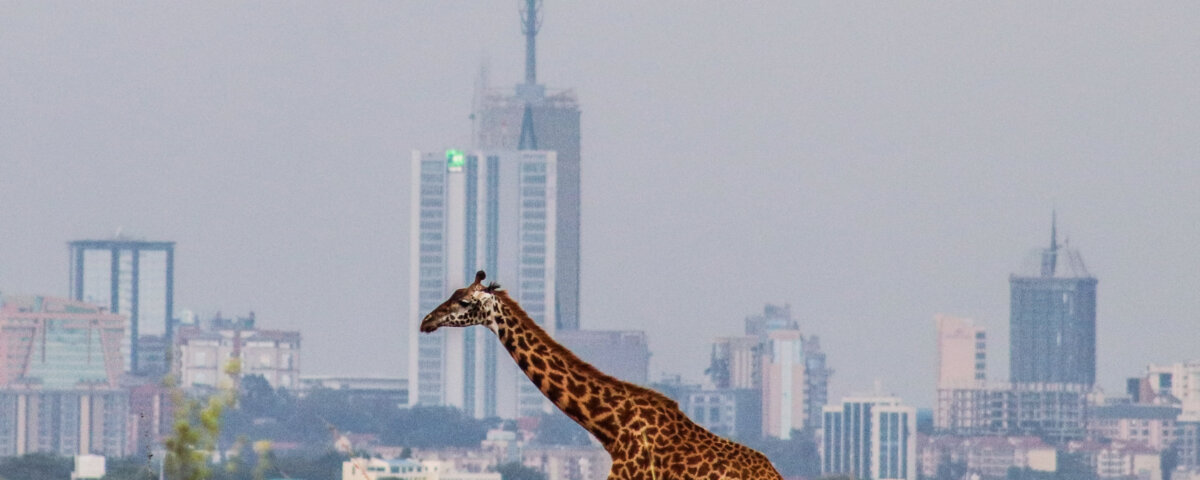
What Are the Top National Parks in Kenya?
What are the top national parks in Kenya? Kenya remains one of Africa’s greatest safari destinations because it offers extraordinary wildlife, breathtaking landscapes, rich cultural heritage, and unforgettable safari adventures. Travelers from around the world visit Kenya to experience authentic African safaris in some of the continent’s most famous national parks and wildlife reserves.
Kenya’s national parks protect a wide range of ecosystems that include savannahs, mountains, lakes, forests, wetlands, deserts, and coastal habitats. These protected areas support the Big Five, the Great Migration, rare bird species, endangered animals, and countless other forms of wildlife. In addition, Kenya’s tourism industry continues to grow because the country combines conservation, hospitality, and adventure in remarkable ways.
Each national park in Kenya offers unique safari experiences. Some parks attract visitors with massive elephant herds, while others provide opportunities to see rhinos, lions, flamingos, or rare northern wildlife species. Travelers also enjoy photography safaris, birdwatching, cultural tours, nature walks, and luxury safari stays across different regions of the country.
Choosing the best national parks depends on personal interests, travel goals, safari style, and budget. However, several parks consistently stand out because of their wildlife diversity, scenery, accessibility, and visitor experiences.
This guide explores the top national parks in Kenya and explains why they continue to attract nature lovers, photographers, honeymooners, families, and adventure travelers from all over the world.
Maasai Mara National Reserve
The Maasai Mara National Reserve ranks among the top national parks in Kenya because it delivers world class wildlife viewing throughout the year. Located in southwestern Kenya, the reserve forms part of the greater Serengeti ecosystem and attracts travelers seeking unforgettable safari experiences.
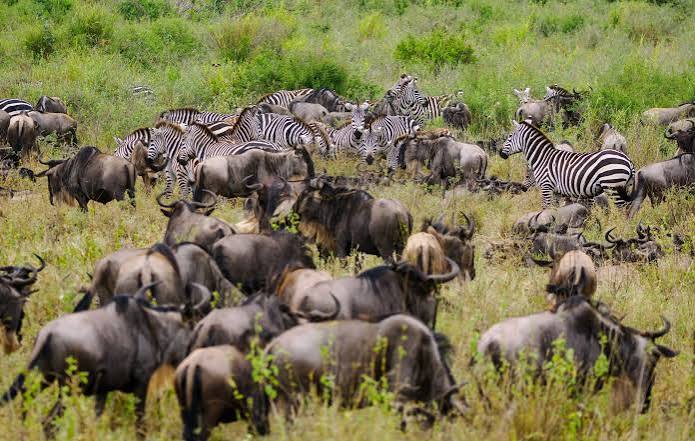
The Maasai Mara became globally famous because of the Great Migration. Every year, millions of wildebeests, zebras, and gazelles cross the plains while searching for fresh grazing areas. During this migration, predators such as lions, crocodiles, cheetahs, and hyenas follow the herds closely, creating dramatic wildlife encounters that amaze visitors.
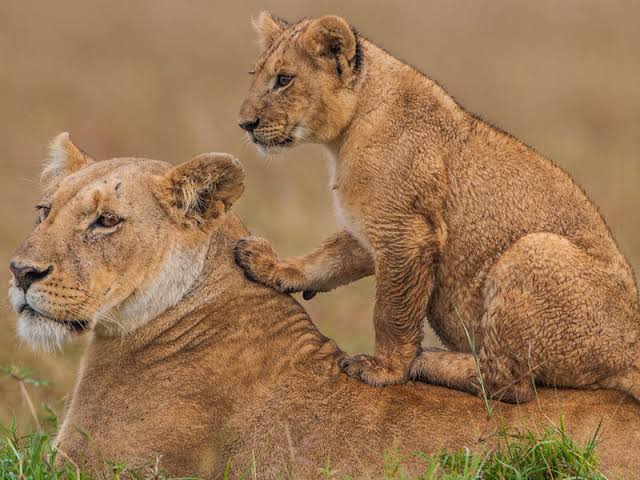
In addition, the Maasai Mara offers excellent opportunities to see the Big Five, including lions, elephants, buffaloes, leopards, and rhinos. The reserve’s open grasslands make wildlife easier to spot, which improves game drive experiences for travelers and photographers.
Luxury safari lodges, tented camps, and budget accommodations allow travelers with different budgets to enjoy the reserve comfortably. Visitors can also enjoy hot air balloon safaris, guided bush walks, and cultural visits to Maasai villages.
The Maasai Mara remains one of Kenya’s top safari destinations because it combines incredible wildlife, beautiful landscapes, authentic culture, and unforgettable adventure experiences. Travelers looking for classic African safaris often place the Maasai Mara at the top of their travel plans.
Amboseli National Park
Amboseli National Park stands among the top national parks in Kenya because of its large elephant herds and spectacular views of Mount Kilimanjaro. Located near the Kenya-Tanzania border, the park offers some of the most iconic safari scenery in Africa.
Travelers visiting Amboseli enjoy close encounters with elephants moving across open plains beneath Africa’s tallest mountain. These unforgettable landscapes attract photographers, filmmakers, and wildlife lovers from around the world.
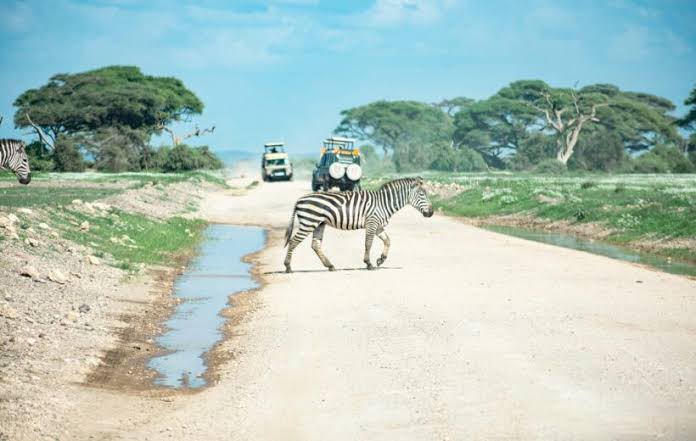
Apart from elephants, Amboseli supports lions, cheetahs, giraffes, zebras, buffaloes, wildebeests, and many bird species. The park’s flat terrain and sparse vegetation allow visitors to spot animals easily during game drives.
Amboseli also contains wetlands fed by underground springs from Mount Kilimanjaro. These swamps attract hippos, water birds, and grazing animals throughout the year, especially during dry seasons when water becomes scarce in other areas.
Cultural tourism also plays an important role in Amboseli. Local Maasai communities welcome travelers interested in learning about traditional dances, customs, beadwork, and daily life. These cultural experiences create deeper connections between visitors and local communities.
The park offers luxury lodges, eco camps, mid-range accommodations, and budget safari options. Many lodges provide stunning sunrise and sunset views of Mount Kilimanjaro.
Amboseli remains one of the top national parks in Kenya because it combines wildlife, culture, scenery, and photography opportunities in one extraordinary destination.
Tsavo East National Park
Tsavo East National Park ranks among the top national parks in Kenya because of its massive size, dramatic landscapes, and authentic wilderness experiences. The park forms part of the larger Tsavo ecosystem, which together creates one of Africa’s largest wildlife conservation areas.
Tsavo East became famous for its red elephants that often cover themselves with the region’s red volcanic soil. Watching these elephants move across the vast plains creates unforgettable safari moments for visitors.
The Galana River flows through the park and attracts crocodiles, hippos, buffaloes, and many other animals. Travelers also enjoy visiting Lugard Falls, where the river flows through beautiful rock formations that create excellent photography opportunities.
The park supports lions, giraffes, zebras, leopards, cheetahs, ostriches, and many antelope species. Because Tsavo East covers a large area, visitors often enjoy quieter safaris with fewer tourist vehicles compared to busier parks.
Birdwatchers also appreciate Tsavo East because the park hosts hundreds of bird species throughout the year. Open plains, river systems, and wetlands provide excellent habitats for many birds.
Tsavo East appeals strongly to travelers who want raw African wilderness and adventurous safari experiences away from large crowds. Long game drives through endless savannahs create feelings of freedom and exploration.
The park remains one of the top national parks in Kenya because it offers wildlife diversity, peaceful safari experiences, dramatic landscapes, and excellent opportunities for adventure tourism.
Tsavo West National Park
Tsavo West National Park stands among the top national parks in Kenya because of its diverse scenery, volcanic landscapes, and rich wildlife populations. Although it shares the Tsavo ecosystem with Tsavo East, the park offers a completely different safari atmosphere.
Tsavo West features rolling hills, lava fields, forests, volcanic cones, swamps, and rocky cliffs that create beautiful and varied safari landscapes. This diversity attracts photographers and travelers seeking more scenic safari experiences.
One of the park’s biggest attractions is Mzima Springs, where crystal clear water flows from underground streams connected to Mount Kilimanjaro. Visitors can watch hippos, crocodiles, and fish from underwater viewing areas while enjoying peaceful natural surroundings.
The park also supports elephants, lions, leopards, rhinos, buffaloes, giraffes, and numerous bird species. Rhino sanctuaries inside the park help protect endangered black rhinos while supporting conservation efforts.
Travelers enjoy exploring the Shetani Lava Flow, which resulted from volcanic eruptions centuries ago. These dramatic black lava landscapes create unique scenery rarely found in other Kenyan parks.
Tsavo West also offers more vegetation than Tsavo East, creating a greener environment during many parts of the year. Luxury lodges and safari camps provide excellent accommodation options surrounded by wilderness.
The park remains one of the top national parks in Kenya because it combines wildlife, geological wonders, conservation efforts, and scenic beauty within one remarkable safari destination.
Lake Nakuru National Park
Lake Nakuru National Park ranks among the top national parks in Kenya because of its birdlife, rhino conservation, and beautiful Rift Valley landscapes. Located near Nakuru town, the park attracts travelers seeking both wildlife and scenic beauty.
The park became internationally famous because of the thousands of flamingos that gather around Lake Nakuru. Although flamingo numbers change depending on water conditions, the lake still supports large populations of water birds and migratory species.
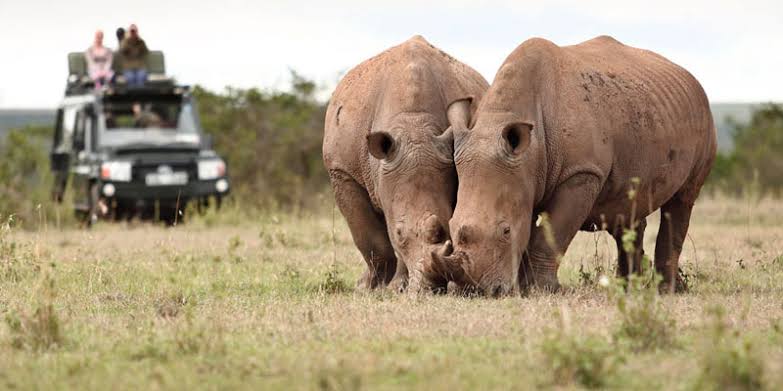
Lake Nakuru also serves as one of Kenya’s leading rhino sanctuaries. Visitors enjoy excellent chances of spotting both black and white rhinos during game drives. This makes the park especially important for conservation focused tourism.
In addition, the park supports lions, leopards, giraffes, zebras, buffaloes, baboons, and antelopes. Tree climbing lions occasionally appear in the acacia forests, creating exciting wildlife encounters for travelers.
The park’s landscapes include forests, rocky cliffs, waterfalls, grasslands, and lakeshore environments that create excellent photography opportunities. Baboon Cliff offers breathtaking views over the lake and surrounding wilderness.
Lake Nakuru’s location near Nairobi makes it highly accessible for short safaris and weekend trips. Many travelers combine it with Maasai Mara or Amboseli safaris for more complete Kenya safari experiences.
The park remains one of the top national parks in Kenya because it combines conservation, birdwatching, beautiful scenery, and rewarding wildlife viewing within a compact and accessible destination.
Samburu National Reserve
Samburu National Reserve stands among the top national parks in Kenya because it offers unique northern wildlife species and remote wilderness experiences. Located in northern Kenya along the Ewaso Nyiro River, Samburu provides a safari experience different from southern parks.
The reserve became famous for the Samburu Special Five, which include the Grevy’s zebra, Somali ostrich, reticulated giraffe, gerenuk, and Beisa oryx. These rare animals attract wildlife enthusiasts and photographers from around the world.
The reserve’s dry landscapes, acacia trees, rocky hills, and riverbanks create dramatic safari scenery filled with natural beauty. Elephants gather along the river while predators such as lions, cheetahs, and leopards roam across the wilderness.
Birdwatchers also enjoy Samburu because it hosts many colorful bird species, including kingfishers, bee eaters, eagles, and vultures. The river ecosystem supports rich biodiversity throughout the year.
Cultural tourism adds another exciting dimension to Samburu safaris. The Samburu people maintain strong traditional lifestyles and welcome visitors interested in local customs, dances, crafts, and cultural practices.
Luxury safari lodges and tented camps along the river provide excellent comfort and beautiful wildlife views directly from guest rooms.
Samburu remains one of the top national parks in Kenya because it offers rare wildlife, authentic cultural experiences, peaceful wilderness, and adventurous safari opportunities far from crowded tourist routes.
Nairobi National Park
Nairobi National Park ranks among the top national parks in Kenya because it provides unique wildlife experiences close to a major city. Located only a short distance from Nairobi’s city center, the park allows travelers to enjoy safaris almost immediately after arrival in Kenya.
The park creates a remarkable contrast between wildlife and urban landscapes. Visitors can watch lions, rhinos, giraffes, zebras, and buffaloes roaming freely while Nairobi’s skyline appears in the background. This unusual setting makes the park one of Africa’s most unique safari destinations.
Nairobi National Park also plays a major role in rhino conservation. The protected area supports healthy populations of black and white rhinos, giving visitors strong opportunities to see these endangered animals.
Because of its accessibility, the park appeals strongly to travelers with limited time. Morning and afternoon game drives offer rewarding wildlife experiences without requiring long travel distances.
Nearby attractions such as the David Sheldrick Wildlife Trust and the Giraffe Centre add even more value to Nairobi safari experiences. Visitors learn about elephant rescue programs, giraffe conservation, and wildlife protection efforts.
Birdwatchers appreciate Nairobi National Park because it supports hundreds of bird species throughout wetlands, forests, and grasslands.
The park remains one of the top national parks in Kenya because it combines accessibility, wildlife, conservation education, and urban convenience in one exceptional location.
Hell’s Gate National Park
Hell’s Gate National Park stands among the top national parks in Kenya because it offers adventure based safari experiences rarely found elsewhere in Africa. Located near Lake Naivasha, the park attracts travelers seeking active outdoor experiences combined with wildlife viewing.
Unlike many parks where visitors remain inside safari vehicles, Hell’s Gate allows cycling, hiking, and walking safaris. Travelers enjoy exploring the park’s dramatic landscapes while moving closely among wildlife such as zebras, giraffes, gazelles, buffaloes, and warthogs.
The park features towering cliffs, volcanic rocks, deep gorges, geothermal steam vents, and dramatic landscapes that create exciting scenery for adventure tourism. These landscapes inspired scenes in famous wildlife films because of their beauty and geological uniqueness.
Rock climbing, hiking, and guided walks attract active travelers and families looking for more interactive safari experiences. The geothermal activity within the park also supports nearby renewable energy projects that contribute to Kenya’s energy sector.
Birdwatchers enjoy spotting vultures, eagles, and many other bird species around the cliffs and open plains. In addition, photographers appreciate the park’s dramatic lighting and natural scenery.
Hell’s Gate offers a refreshing alternative to traditional game drive safaris while still delivering memorable wildlife encounters and outdoor adventures.
The park remains one of the top national parks in Kenya because it combines adventure, scenery, wildlife, and ecotourism experiences in one exciting destination.
Best Time to Visit Kenya National Parks
Understanding the best time to visit Kenya national parks helps travelers enjoy better wildlife viewing and smoother safari experiences. Kenya offers year-round safari opportunities, although different seasons provide different advantages.
The dry seasons from June to October and January to February usually provide the best wildlife viewing conditions. During these months, animals gather around rivers, lakes, and waterholes, making them easier to spot during game drives. Vegetation also becomes thinner, improving visibility across the parks.
The Great Migration in the Maasai Mara occurs mainly between July and October. This period attracts large numbers of safari travelers because of the dramatic river crossings and predator action.
The rainy seasons from March to May and November create greener landscapes and fewer crowds. Budget travelers often find lower accommodation rates during these periods. Birdwatching also improves because migratory birds arrive in Kenya during the wet seasons.
Travelers should book accommodations early during peak safari months because popular lodges and camps fill quickly. Early planning also helps visitors secure better safari packages and experienced guides.
Different parks may perform better during certain seasons. Amboseli, for example, often offers excellent elephant sightings during dry periods, while Lake Nakuru remains attractive throughout the year because of its birdlife and rhino populations.
Choosing the right travel season improves safari experiences while helping travelers enjoy Kenya’s incredible national parks at their best.
Conclusion
Kenya offers some of Africa’s finest safari destinations, each providing unique wildlife experiences, breathtaking landscapes, and unforgettable adventures. The Maasai Mara delivers world famous migration safaris, Amboseli showcases elephants beneath Mount Kilimanjaro, and Tsavo offers vast wilderness exploration.
In addition, Lake Nakuru highlights rhino conservation and birdlife, Samburu introduces rare northern species, Nairobi National Park combines wildlife with urban convenience, and Hell’s Gate creates exciting adventure tourism experiences. Together, these parks make Kenya one of the world’s greatest safari destinations.
Travelers visiting Kenya enjoy more than wildlife viewing alone. They also experience rich cultures, luxury safari lodges, eco-tourism, conservation projects, photography opportunities, and authentic African hospitality. With the expertise of Giant Holiday Safaris, visitors gain access to well-curated safari packages, professional guides, and seamless travel arrangements that enhance every aspect of their journey.
Kenya continues to attract global travelers because its national parks provide exceptional biodiversity, strong tourism infrastructure, and meaningful conservation efforts. Whether visitors seek luxury safaris, family vacations, honeymoon adventures, or budget wildlife tours, Giant Holiday Safaris ensures unforgettable safari experiences for every traveler.
What are the top national parks in Kenya? It ultimately depends on personal travel goals and interests. However, every park mentioned in this guide provides extraordinary opportunities to experience Africa’s wildlife, beauty, and adventure in unforgettable ways. With Giant Holiday Safaris as a trusted operator, travelers can explore Kenya’s national parks with confidence, comfort, and lasting memories.
Combined Uganda, Kenya, Rwanda and Tanzania Safaris
17 days Kenya Tanzania and Uganda safari 19 Days Uganda Kenya and Tanzania Safari
16 Days Kenya Tanzania and Uganda Safari
14 Days Kenya Uganda and Tanzania Safari
14 Days Kenya Uganda and Rwanda Safari