Which Kenya safari is best for wildlife photography?
August 15, 2026
Are Kenya safaris good in June?
August 15, 2026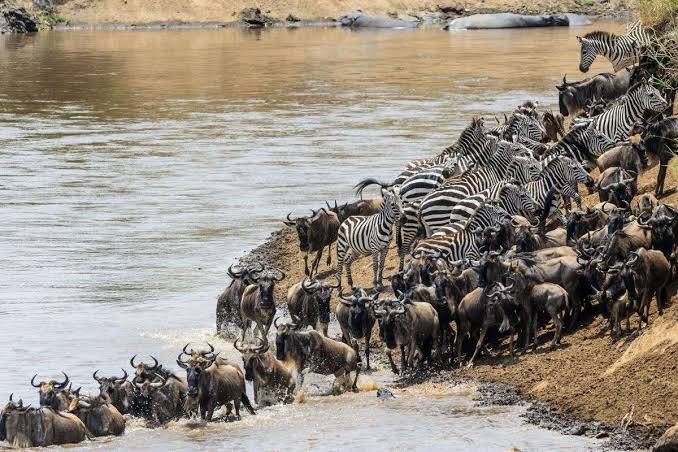
What Is the Best Safari Park in Kenya for First-Timers?
Kenya stands among Africa’s most rewarding safari destinations, especially for travelers planning their first wildlife adventure. The country combines rich wildlife, beautiful landscapes, well managed conservation areas, comfortable safari lodges, and experienced guides who make exploring the African wilderness both exciting and accessible. For a first time safari traveler, however, choosing where to begin can feel difficult because Kenya has several outstanding parks and conservancies. Each destination offers a different experience, from dramatic wildlife encounters to scenic landscapes and unforgettable cultural experiences.
For most first time visitors, Masai Mara National Reserve is the best safari destination in Kenya because it offers an excellent balance of wildlife variety, accessibility, scenery, guided experiences, and classic African safari atmosphere. The reserve supports large populations of lions, elephants, leopards, cheetahs, buffaloes, giraffes, zebras, wildebeests, and many other species. Furthermore, the famous Great Migration adds another level of excitement during its seasonal movement through the Mara ecosystem.
However, the best safari park can depend on what you want to experience. Travelers interested in elephants may prefer Amboseli National Park, while those seeking a quieter and more conservation focused experience may enjoy Ol Pejeta Conservancy. Samburu National Reserve also provides a distinct northern Kenya experience with unique wildlife and striking landscapes.
This guide explores the strongest options for first-time safari travelers and explains why the Masai Mara remains the leading choice for a classic Kenyan safari.
Combined Uganda, Kenya, Rwanda and Tanzania Safaris
17 days Kenya Tanzania and Uganda safari
19 Days Uganda Kenya and Tanzania Safari
16 Days Kenya Tanzania and Uganda Safari
14 Days Kenya Uganda and Tanzania Safari
14 Days Kenya Uganda and Rwanda Safari
12 Day Gorilla Trekking and Tanzania Safari
Why Kenya Is Excellent for a First Safari
Kenya provides one of the easiest introductions to an African safari because it combines exceptional wildlife with a well developed tourism network. A first time visitor can build a safari around national parks, private conservancies, cultural experiences, scenic drives, and comfortable accommodation without needing to travel across extremely difficult terrain. This variety makes Kenya suitable for couples, families, solo travelers, photographers, and small private groups.
Another major advantage comes from the country’s wildlife diversity. Kenya supports the famous African Big Five: lion, leopard, elephant, buffalo, and rhinoceros. Yet the safari experience goes far beyond these five animals. You can also encounter cheetahs, giraffes, hippos, crocodiles, zebras, wildebeests, hyenas, jackals, antelopes, and hundreds of bird species. Consequently, even a relatively short safari can deliver a remarkable range of wildlife encounters.
Kenya also makes safari planning flexible. Travelers can choose luxury lodges, tented camps, mid range properties, or more budget conscious accommodation. Similarly, safari itineraries can last from a few days to several weeks. Nairobi provides an important starting point for many journeys, while domestic flights make it possible to connect major safari destinations quickly.
Most importantly, Kenya gives first time travelers a chance to experience wildlife in its natural environment rather than simply visiting a zoo or wildlife center. The open landscapes, changing light, animal behavior, and unpredictability of every game drive create an experience that remains different each day.
Masai Mara National Reserve: The Best Overall Choice for First-Timers
Masai Mara National Reserve is the strongest overall choice for travelers experiencing their first Kenyan safari. Located in southwestern Kenya, the reserve forms part of the greater Mara Serengeti ecosystem, one of the world’s most celebrated wildlife regions. Its open grasslands provide excellent conditions for spotting large mammals, while the area’s predator population creates exciting opportunities for observing natural behavior.
For a first time visitor, the biggest advantage is the sheer concentration of wildlife. Game drives can produce sightings of lions resting after a hunt, cheetahs scanning the plains, elephants moving across the grasslands, giraffes feeding among scattered trees, and large herds of herbivores crossing the open country. Because the landscape often provides wide visibility, travelers can enjoy excellent opportunities for photography and wildlife observation.
The Masai Mara also delivers the classic safari feeling many international visitors imagine before traveling to Africa. Golden grasslands stretch toward the horizon, wildlife moves through the plains, and the changing colors of sunrise and sunset create extraordinary scenery. During the Great Migration season, the experience becomes even more dramatic as enormous herds of wildebeest and zebras move through the ecosystem.
Another strength lies in the range of accommodation available around the reserve. Travelers can select from luxury tented camps, family friendly lodges, intimate camps, and comfortable mid range properties. This flexibility allows first time visitors to experience the Mara without forcing every traveler into the same budget level.
What Makes the Masai Mara Different From Other Kenyan Parks?
The Masai Mara stands out because of its combination of wildlife density, predator sightings, open landscapes, and ecosystem connectivity. Many Kenyan destinations provide excellent wildlife viewing, but the Mara creates a particularly strong all-round safari experience. A first time visitor can enjoy several major safari highlights within one destination rather than spending every day moving between different parks.
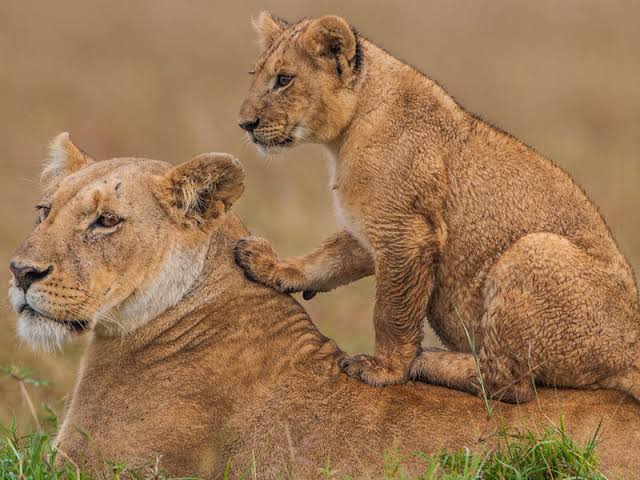
The reserve is especially famous for big cats. Lions are relatively common across the ecosystem, and the open terrain can make them easier to locate. Cheetahs also thrive in the grasslands because the landscape gives them room to hunt. Leopards remain more elusive, but experienced guides understand their preferred habitats and behavior, increasing the possibility of a memorable sighting.
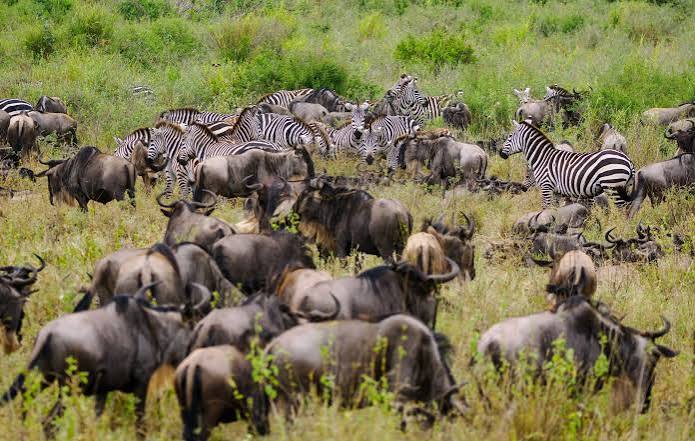
The Great Migration adds another important attraction. Every year, enormous herds of wildebeest and zebras move through the wider Serengeti-Mara ecosystem in search of fresh grazing and water. The timing and exact location can change because wildlife follows natural conditions rather than a fixed tourist schedule. Therefore, travelers should approach migration safaris with realistic expectations while recognizing that the wider Mara ecosystem remains rewarding even outside the migration period.
The Mara also offers a strong connection between wildlife tourism and local communities. The surrounding region supports Maasai communities whose cultural heritage forms an important part of the area’s identity. Responsible travelers can include carefully planned cultural experiences that support local livelihoods while gaining a deeper understanding of the people and landscapes connected to the safari environment.
Amboseli National Park: Best for Elephants and Mount Kilimanjaro Views
Amboseli National Park offers one of Kenya’s most recognizable safari landscapes. The park sits in southern Kenya near the Tanzania border and provides spectacular views toward Mount Kilimanjaro on clear days. Its large elephant population makes it one of the country’s strongest choices for travelers who particularly want to see elephants in a natural environment.
For first time visitors, Amboseli offers an impressive combination of wildlife and scenery. Large elephant herds frequently move across the plains, creating powerful photographic opportunities, especially when Mount Kilimanjaro forms a dramatic background. The combination gives Amboseli a visual identity that differs greatly from the rolling grasslands of the Masai Mara.
The park also supports lions, buffaloes, zebras, giraffes, wildebeests, hyenas, hippos, and numerous bird species. Its wetlands provide an important water source for wildlife, especially during dry periods. As a result, game drives can produce a mixture of animals and landscapes within a relatively compact area.
Amboseli works particularly well for travelers who want a shorter safari experience or who plan to combine Kenya with Tanzania. Its location also makes it a useful destination for itineraries that include Nairobi and other southern Kenya attractions.
However, Amboseli should not replace the Masai Mara for every first time traveler. If your main goal involves seeing a broad range of predators and experiencing the classic Mara style safari landscape, the Masai Mara remains stronger. If elephants, mountain scenery, and photography rank highest on your list, however, Amboseli deserves serious consideration.
Ol Pejeta Conservancy: Best for Conservation and Rhino Experiences
Ol Pejeta Conservancy offers a different kind of safari experience. Located in Kenya’s Laikipia region, the conservancy combines wildlife tourism with major conservation efforts. This makes it especially valuable for travelers who want their safari to provide more than traditional game viewing.
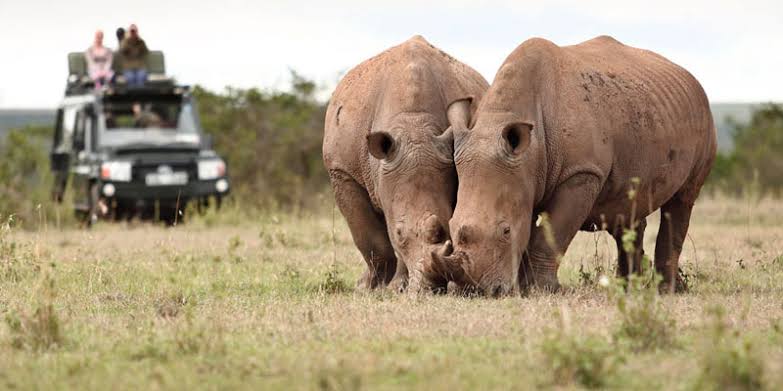
The conservancy supports the Big Five and provides strong opportunities to see rhinos. Its conservation work has also made it an important destination for travelers interested in endangered species protection. Visitors can learn about wildlife conservation while enjoying game drives across a diverse landscape.
Ol Pejeta can work exceptionally well for first time safari travelers because it combines wildlife, conservation education, and comfortable accommodation. Instead of simply searching for animals, visitors can develop a deeper understanding of why habitat protection, community partnerships, anti-poaching work, and responsible tourism matter to the future of African wildlife.
The conservancy also offers a more intimate atmosphere than some of Kenya’s larger and busier safari destinations. That can appeal to travelers who prefer a quieter experience with greater emphasis on conservation.
For families, photographers, conservation enthusiasts, and travelers who want to understand the wider purpose behind wildlife tourism, Ol Pejeta provides significant value. It also works well as part of a longer itinerary that includes the Masai Mara or other Kenyan destinations.
A first safari does not have to focus only on ticking animals off a checklist. Ol Pejeta demonstrates how tourism can contribute to wildlife protection while giving visitors a meaningful connection with Kenya’s conservation story.
Samburu National Reserve: Best for a Unique Northern Kenya Safari
Samburu National Reserve provides one of the most distinctive safari experiences in Kenya. Located in the country’s northern region, it offers dramatic scenery, rugged hills, dry landscapes, and wildlife adapted to a more arid environment. The reserve also supports several species that first-time visitors may not encounter as easily in the southern parks.
The Samburu ecosystem is famous for wildlife such as Grevy’s zebra, reticulated giraffe, gerenuk, Beisa oryx, and Somali ostrich. These animals give the destination a unique character and make Samburu particularly appealing to travelers who want to explore beyond Kenya’s most famous safari routes.
The Ewaso Ng’iro River plays an important role in the ecosystem. Wildlife often gathers around water, creating excellent game viewing opportunities. Elephants, lions, leopards, buffaloes, and other species also inhabit the area, so visitors can still enjoy encounters with many familiar African animals.
Samburu also provides opportunities to learn about the culture of communities living in northern Kenya. Responsible cultural tourism can add depth to the journey by helping visitors understand local traditions, livelihoods, and the relationship between communities and the surrounding environment.
For first-time travelers, Samburu works particularly well as part of a multi destination itinerary. It may not offer the same concentration of classic safari experiences as the Masai Mara, but its landscapes and unique wildlife make it an excellent addition to a broader Kenyan adventure.
Nairobi National Park: Best for a Short Safari
Nairobi National Park provides an unusual advantage: travelers can experience a genuine wildlife environment close to Kenya’s capital city. This makes the park particularly useful for visitors with limited time or those who want to begin their African journey with a short game drive.
The park supports lions, giraffes, zebras, buffaloes, rhinos, leopards, hippos, and many other species. Its proximity to Nairobi allows travelers to combine wildlife viewing with city activities, making it possible to experience Kenya’s urban and natural sides within a short period.
For someone visiting Kenya for the first time, Nairobi National Park can also serve as an introduction to safari before traveling farther into the country. A visitor can enjoy an early morning or afternoon game drive and then continue with other activities in Nairobi.
However, travelers should understand its role within a larger safari plan. The park does not provide the same expansive wilderness experience as the Masai Mara or Samburu. Urban development surrounds portions of the park, creating a landscape unlike Kenya’s remote conservation areas.
Nevertheless, its accessibility remains its greatest strength. If your schedule only allows one day for wildlife, Nairobi National Park can provide a worthwhile introduction. It also fits naturally into longer itineraries that begin or end in Nairobi.
When Is the Best Time for a First Safari in Kenya?
The best time for a Kenyan safari depends on your priorities, budget, and preferred wildlife experience. Kenya supports wildlife tourism throughout much of the year, so travelers should avoid thinking of one season as the only acceptable time to visit.
The dry seasons often provide excellent conditions for wildlife viewing because animals tend to concentrate around available water sources and vegetation becomes less dense. This can make game spotting easier, especially for first-time visitors who are still learning how to identify animals in the landscape.
The Great Migration period attracts many travelers to the Masai Mara because large herds enter the ecosystem during their annual movement. However, migration timing changes from year to year because rainfall and environmental conditions influence animal movement. Therefore, travelers should never treat a specific calendar date as a guarantee of a particular wildlife event.
Green seasons can also provide rewarding experiences. Fresh vegetation creates beautiful landscapes, while many animals give birth during periods when food becomes more available. Birdwatchers can also enjoy excellent opportunities because migratory bird species add to Kenya’s already rich birdlife.
Ultimately, the best safari period depends on what you want to see and how you want to travel. A knowledgeable safari planner can match your dates with the destination, accommodation, wildlife priorities, and budget rather than simply recommending one season for everyone.
How Many Days Do First-Time Safari Travelers Need?
A first safari should give you enough time to experience the wilderness without turning the journey into a rushed schedule. For many international visitors, five to seven days provides a strong starting point. This length allows travelers to experience one major destination deeply or combine two parks without spending most of the trip on the road.
A three day safari can still provide memorable wildlife encounters, particularly when visiting a destination such as the Masai Mara. However, a shorter trip requires careful planning because travel time can reduce the number of available game-drive hours.
A five day itinerary can offer a better balance. For example, travelers can spend several nights in the Masai Mara and add another destination depending on their interests. A longer itinerary of seven to ten days can include the Masai Mara, Amboseli, Ol Pejeta, or Samburu, creating a more varied picture of Kenya’s wildlife and landscapes.
First-time travelers should also avoid packing too many destinations into a single itinerary. Moving every day may look efficient on paper, but it can reduce the quality of the safari. Wildlife experiences benefit from patience. Spending additional nights in one ecosystem gives your guide more opportunities to understand animal movements and take you to productive viewing areas.
Therefore, prioritize quality over quantity. A well-designed five-day safari can create a stronger experience than a rushed ten-day itinerary covering too many locations.
How to Choose the Right Kenyan Safari Park for Your Interests
Choosing the right park becomes easier when you start with your personal priorities rather than simply selecting the most famous destination. If you want the strongest overall introduction to Kenya, begin with the Masai Mara. If elephants and dramatic mountain scenery attract you most, consider Amboseli. If conservation and rhinos interest you deeply, Ol Pejeta offers a powerful experience. For unique northern wildlife and rugged scenery, Samburu deserves attention.
Budget also matters. Accommodation, transportation, park fees, private conservancy fees, domestic flights, and safari vehicle arrangements can significantly influence the total cost. A reliable safari itinerary should balance these factors without sacrificing safety or the quality of wildlife experiences.
Travel style matters as well. Couples may prefer intimate camps and private game drives. Families often benefit from properties with family-friendly facilities and carefully structured activities. Photographers may prioritize longer game drives, fewer vehicle restrictions, and locations known for strong wildlife activity.
Furthermore, consider the distance between destinations. Kenya’s parks may look close together on a map, but road travel can take several hours. Domestic flights can save time, while road journeys provide opportunities to see rural landscapes and communities.
The strongest safari itinerary therefore matches wildlife goals, travel dates, accommodation preferences, budget, available time, and travel pace. This approach produces a more satisfying experience than choosing parks based only on popularity.
What Should First-Time Safari Travelers Expect?
A Kenyan safari differs from a normal holiday because nature controls the schedule. You may plan to see a particular animal, but wildlife does not follow a timetable. Instead, experienced guides read tracks, animal behavior, vegetation, weather, and recent sightings to improve the chances of finding wildlife.
Early mornings often provide excellent game drive conditions because temperatures remain cooler and many animals show active behavior. Afternoon drives can also produce rewarding encounters, while sunset creates some of the most memorable scenery of the entire trip.
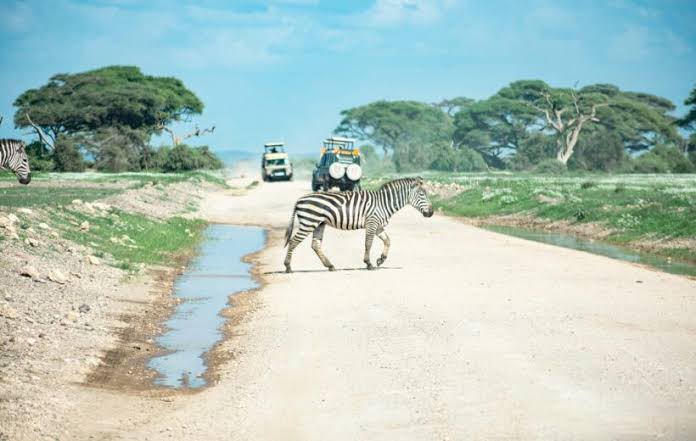
Travelers should also prepare for changing road conditions. Safari vehicles regularly travel over dirt tracks, uneven surfaces, and rough terrain. Comfortable clothing, sun protection, sturdy footwear, binoculars, and a good camera can improve the experience.
Most importantly, patience matters. A safari is not simply about seeing the Big Five in one day. Some of the most rewarding moments can involve smaller experiences: watching a giraffe move across the horizon, observing elephants communicate, seeing a bird of prey hunt, or following fresh tracks through the grass.
Respect for wildlife should remain central throughout the journey. Visitors should maintain appropriate distances, avoid disturbing animals, follow guide instructions, and never attempt to feed wildlife. Responsible behavior protects both visitors and animals.
A first safari becomes more rewarding when travelers arrive with realistic expectations and an open mind. The wilderness provides the experience; skilled planning simply creates the best conditions for enjoying it.
Final Thoughts: Choosing the Best Safari Park in Kenya for Your First Adventure
For most first time visitors, Masai Mara National Reserve remains the best safari destination in Kenya because it combines exceptional wildlife, beautiful landscapes, strong predator populations, cultural connections, flexible accommodation, and the possibility of experiencing the Great Migration. It delivers the classic Kenyan safari experience while still offering enough variety to keep experienced travelers interested.
Nevertheless, Kenya offers far more than one destination. Amboseli provides unforgettable elephant encounters and mountain scenery. Ol Pejeta connects wildlife tourism with important conservation work. Samburu introduces travelers to northern Kenya’s unique wildlife and landscapes, while Nairobi National Park offers an accessible safari experience close to the capital.
The right choice ultimately depends on your travel goals. A successful first safari should not simply take you to a famous park. It should connect you with wildlife, landscapes, conservation, local communities, and the wider story of Africa’s natural heritage. That requires thoughtful planning, reliable ground arrangements, experienced guides, and a realistic understanding of seasonal conditions.
For travelers seeking that balance, Giant Holiday Safaris can help turn a first Kenyan safari into a well planned and meaningful African journey. With the right destination, timing, accommodation, and safari design, your first experience in Kenya can become more than a holiday it can become the foundation for a lifelong connection with African wildlife and conservation.