What is the best Kenya safari for couples?
August 15, 2026
What is the best safari park in Kenya for first-timers?
August 15, 2026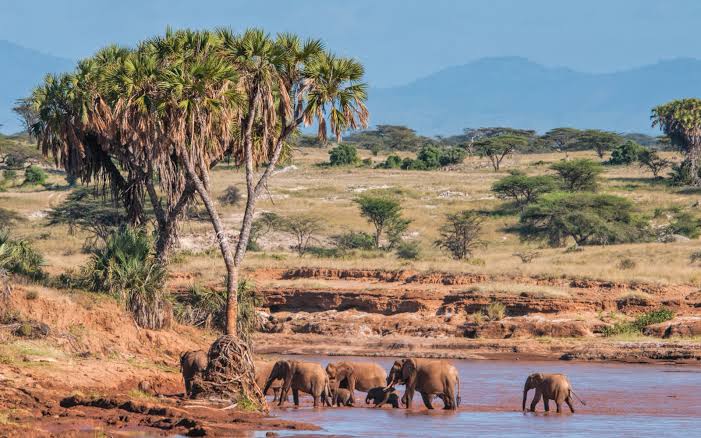
Which Kenya Safari Is Best for Wildlife Photography?
Kenya stands among Africa’s finest destinations for wildlife photography because it brings together rich wildlife, varied landscapes, strong conservation areas, and dramatic natural events. From wide grasslands filled with elephants to riverbanks where crocodiles wait for prey, Kenya gives photographers many chances to capture powerful images in the wild. However, choosing the best Kenya safari for wildlife photography depends on more than simply visiting a famous national park. The season, habitat, animal behavior, light, road access, safari vehicle, guide expertise, and length of stay all shape the quality of a photography experience.
For photographers, the best safari creates time and space for observation. Instead of rushing from one sighting to another, a well planned photography safari allows you to follow animal behavior, wait for better light, and position yourself without disturbing wildlife. Kenya offers several destinations that can meet these needs, but the Maasai Mara National Reserve often takes the lead because of its concentration of predators, open plains, large herbivores, and famous seasonal wildebeest movement.
Nevertheless, other destinations deserve serious attention. Amboseli National Park provides iconic elephant photography with Mount Kilimanjaro as a backdrop. Samburu National Reserve offers unusual species and striking dry landscapes, while Lake Nakuru creates opportunities for rhino, flamingo, and bird photography. Tsavo National Park adds enormous landscapes, red dusted elephants, and a sense of wilderness that suits photographers who want more than classic safari portraits.
Therefore, the best Kenya safari for wildlife photography depends on the images you want to create. This guide explores Kenya’s leading photography destinations, the best wildlife subjects, seasonal considerations, photography conditions, and practical ways to plan a safari that produces meaningful images rather than simply a large collection of animal snapshots.
Combined Uganda, Kenya, Rwanda and Tanzania Safaris
17 days Kenya Tanzania and Uganda safari
19 Days Uganda Kenya and Tanzania Safari
16 Days Kenya Tanzania and Uganda Safari
14 Days Kenya Uganda and Tanzania Safari
14 Days Kenya Uganda and Rwanda Safari
12 Day Gorilla Trekking and Tanzania Safari
Why Kenya Is Excellent for Wildlife Photography
Kenya offers an unusual combination of wildlife diversity and accessible safari environments. Many of the country’s most productive wildlife areas feature open habitats where photographers can observe animals from safari vehicles without dense vegetation constantly blocking the view. This advantage becomes especially important when photographing fast moving predators, large herds, birds in flight, or animals interacting with one another.
Moreover, Kenya’s landscapes create strong backgrounds that help turn wildlife photographs into complete visual stories. A lion standing on a grassy ridge, an elephant walking beneath Mount Kilimanjaro, or a giraffe moving across a golden plain can communicate much more than a close-up portrait. The environment gives the photograph context and helps viewers understand where the animal lives.
Kenya also supports photography across different ecosystems. The Mara offers rolling savannah and riverine habitats, Amboseli combines open plains and wetlands, Samburu features dry hills and rocky scenery, while Tsavo delivers vast wilderness and distinctive red earth. Consequently, photographers can choose a destination based on their preferred visual style.
Another major advantage comes from the experience of safari guides. A skilled guide understands animal behavior, tracks movement, reads the terrain, and recognizes changes in wildlife activity. This knowledge can make the difference between arriving too late and being in position before an important encounter begins. For serious photographers, guide quality should therefore receive as much attention as the destination itself.
Maasai Mara: The Best Overall Kenya Safari for Wildlife Photography
If the goal is to choose one destination for an all round wildlife photography safari, the Maasai Mara is one of Kenya’s strongest choices. The reserve and its surrounding conservancies support an impressive concentration of wildlife, including lions, leopards, cheetahs, elephants, buffaloes, giraffes, zebras, wildebeest, hyenas, and numerous smaller species. This diversity gives photographers a wide range of subjects during a single safari.
The open savannah also works well for photography. Animals often appear against relatively clear backgrounds, especially during early morning and late afternoon. The low position of the sun creates warm tones across the grasslands, while long shadows add depth to images. During the middle of the day, photographers can shift their attention toward behavioral moments, birds, close wildlife portraits, or shaded areas.
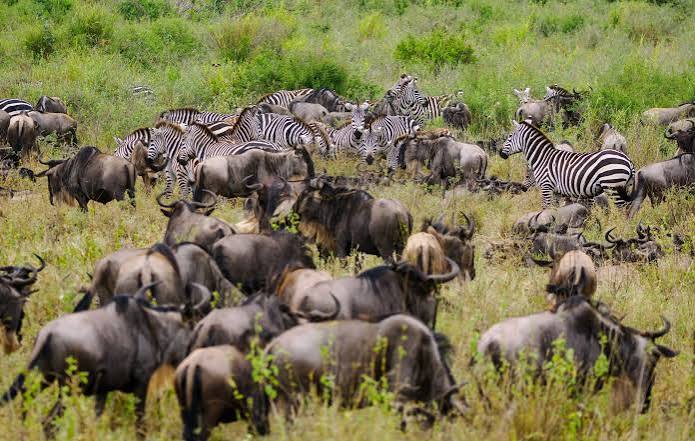
The Maasai Mara becomes particularly attractive during the annual wildebeest movement, when enormous herds enter the Mara ecosystem from the Serengeti. However, photographers should avoid thinking of the migration as the only reason to visit. Resident wildlife remains abundant outside the peak migration period, and fewer vehicles can sometimes create a more relaxed photography experience.
The surrounding private conservancies can also provide advantages for photographers. They often offer more flexible safari experiences and may allow activities that differ from those permitted inside the main reserve. Depending on the conservancy and current regulations, photographers may benefit from longer viewing opportunities, fewer vehicles, and more specialized guiding.
For photographers who want predators, dramatic landscapes, large herds, and a strong chance of varied wildlife encounters, the Maasai Mara provides one of Kenya’s most complete photography environments.
Amboseli National Park: Best for Elephant Photography and Iconic Landscapes
Amboseli National Park offers a different photography experience from the Maasai Mara. Its greatest strength comes from the combination of wildlife and landscape. The park is famous for large elephant herds, while Mount Kilimanjaro can create a spectacular background when weather conditions provide clear views.
Elephant photography becomes especially rewarding in Amboseli because the animals frequently move through open areas. Photographers can capture individual elephants, family groups, dust scenes, feeding behavior, and interactions between adults and calves. The enormous scale of the landscape also makes it possible to create environmental portraits rather than relying only on tight animal shots.
Early morning often provides some of the most attractive conditions. The light can produce soft highlights across elephant skin while the landscape remains cool and atmospheric. If Kilimanjaro emerges from clouds, photographers may have an opportunity to create one of East Africa’s most recognizable wildlife compositions.
However, photographers should remain flexible. The mountain does not always appear clearly, and wildlife does not follow a schedule. Instead of planning every photograph around Kilimanjaro, build compositions around the animals and treat the mountain as a bonus when conditions allow.
Amboseli also supports photography beyond elephants. Giraffes, zebras, buffaloes, hippos, birds, lions, and other wildlife contribute to the experience. For photographers who value strong compositions, dramatic backgrounds, and iconic East African scenery, Amboseli deserves a place near the top of the list.
Samburu National Reserve: Best for Rare and Distinctive Wildlife
Samburu National Reserve offers photographers something different from Kenya’s southern safari destinations. Its dry landscapes, rocky hills, acacia vegetation, and riverine areas create a distinctive visual identity. More importantly, the region supports several species that make it especially attractive to wildlife photographers seeking unusual subjects.
The reserve and surrounding ecosystem are known for wildlife associated with Kenya’s northern regions, including Grevy’s zebra, reticulated giraffe, gerenuk, Beisa oryx, and Somali ostrich. These species provide opportunities to build a photography portfolio that looks different from the typical East African safari collection.
The gerenuk is particularly interesting because of its unusual feeding behavior. It can stand upright on its hind legs to reach vegetation, creating a distinctive photographic subject. Reticulated giraffes also photograph beautifully because their sharply defined coat patterns stand out against Samburu’s dry surroundings.
The landscape itself adds another layer. Golden grass, rocky formations, doum palms, and the Ewaso Ng’iro River can create natural frames and strong color contrasts. Consequently, Samburu works particularly well for photographers who want environmental storytelling rather than only close wildlife portraits.
The drier setting also produces different visual moods from the greener savannahs of the Mara. During certain seasons, dust, warm tones, and strong sunlight can create dramatic images. Photographers should manage harsh midday light carefully, but early mornings and late afternoons can produce excellent results.
For wildlife photographers who want rare species, unusual compositions, and a strong sense of place, Samburu offers one of Kenya’s most rewarding alternatives.
Lake Nakuru: Best for Rhinos, Flamingos, and Bird Photography
Lake Nakuru provides another valuable photography experience because it combines large mammals with a rich birdlife environment. The lake and surrounding national park support rhinos, buffaloes, giraffes, lions, leopards, water-associated birds, and many other species. This variety makes the destination useful for photographers who want to diversify their portfolio.
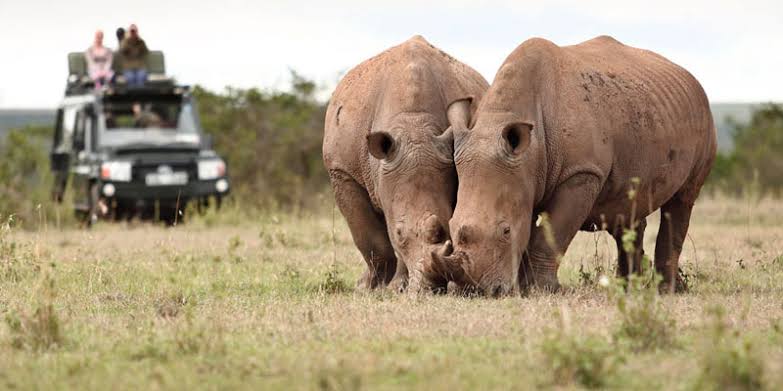
Rhino photography is one of the strongest reasons to visit. White rhinos can sometimes be seen in open areas where photographers can capture both portraits and environmental scenes. Their large size, distinctive horns, and powerful presence make them compelling subjects, particularly when soft morning light reveals texture across their skin.
Bird photographers also have plenty to explore. Waterbirds and other species around the lake create opportunities for flight photography, feeding behavior, reflections, and group compositions. Flamingos have long been associated with Lake Nakuru, although their numbers and distribution can change with water conditions and ecological factors. Therefore, photographers should avoid expecting the same scene on every visit.
The park’s varied terrain also helps create different photographic styles. Forested areas, open grasslands, rocky viewpoints, and lake landscapes can all appear within the same itinerary. As a result, Lake Nakuru can work well as part of a wider Kenya photography circuit.
For photographers interested in rhinos and birds while still wanting opportunities for classic safari mammals, Lake Nakuru provides a strong and practical addition to a Kenya wildlife photography itinerary.
Tsavo National Park: Best for Wilderness and Dramatic Wildlife Landscapes
Tsavo offers a completely different scale of safari experience. Divided into Tsavo East and Tsavo West, the ecosystem covers a vast area and provides photographers with expansive landscapes, diverse wildlife, volcanic scenery, rivers, and distinctive red soils.
Tsavo East is particularly known for its red dust elephants. The park’s soil can give elephants a rich reddish appearance after dust bathing, creating photographs that immediately stand apart from images taken in other Kenyan destinations. These elephants also provide opportunities for environmental compositions because the surrounding landscape often feels broad and open.
Tsavo West adds volcanic scenery, rugged terrain, springs, and different vegetation. This variation creates opportunities for photographers who want to combine wildlife with landscape photography. A safari here can feel less focused on large concentrations of animals and more focused on the relationship between wildlife and wilderness.
That difference can be a major advantage. Not every strong wildlife photograph needs to show a crowded scene filled with animals. Sometimes a lone elephant crossing an enormous landscape communicates wilderness more effectively than a close portrait. Tsavo gives photographers opportunities to create this kind of image.
The park’s size also means that patience matters. Sightings may require more searching, but the reward can be a quieter experience and photographs with a stronger sense of space. Therefore, Tsavo is an excellent choice for photographers who value wilderness atmosphere, dramatic landscapes, and distinctive elephant images.
Which Kenya Safari Is Best for Predator Photography?
For predator photography, the Maasai Mara generally stands out because its open grasslands and productive wildlife ecosystem create strong opportunities to photograph lions, cheetahs, leopards, hyenas, and other carnivores. Each predator presents a different photographic challenge, so photographers should plan around behavior rather than simply aiming for a close-up portrait.
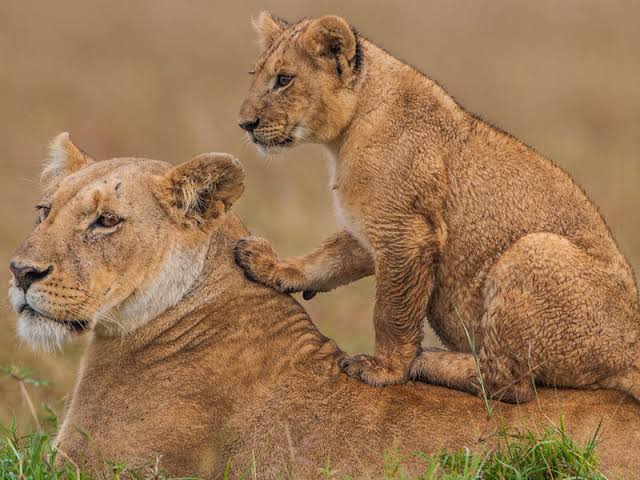
Lions can provide many opportunities because they often rest, walk, groom, hunt, interact with cubs, and defend territories. The most powerful photographs often show behavior, emotion, or interaction rather than a stationary animal looking toward the camera. Patience therefore becomes essential.
Cheetahs present a different challenge because they can move quickly across open terrain. A longer lens, fast shutter speed, good vehicle positioning, and anticipation can help capture movement. Early morning light can also add attractive warmth without becoming excessively harsh.
Leopards require even more patience because they often remain hidden in trees, dense vegetation, or riverine habitats. Their camouflage can make them difficult to spot, but that challenge can produce exceptional photographs when the animal emerges into clear light.
For predator photography, avoid judging success only by the number of sightings. One carefully observed hunting sequence can produce a stronger portfolio than several rushed encounters. A good guide who understands behavior can help you anticipate opportunities and position safely without interfering with the animals.
What Is the Best Time for a Kenya Wildlife Photography Safari?
The best time for wildlife photography depends on the subjects and photographic style you want. Kenya offers useful opportunities throughout much of the year, but different seasons create different conditions.
Dry periods can make wildlife easier to locate because animals often gather around remaining water sources and vegetation becomes less dense. This can improve visibility and create clean compositions. Dry landscapes also produce warm golden tones that work beautifully with sunrise and sunset light.
The period associated with the wildebeest movement can offer spectacular opportunities in the Maasai Mara. Large herds, predators, river crossings, dust, and intense animal interactions can create dramatic images. However, this period also attracts many visitors, so vehicle positioning and timing become extremely important.
Green seasons bring another advantage. Landscapes become more vibrant, young animals may appear, and skies can produce dramatic backgrounds. Rain can also create reflections and fresh environmental scenes. Furthermore, fewer visitors in some periods can give photographers more space and flexibility.
Rather than choosing a date based only on a famous wildlife event, consider your preferred photography subjects. A predator specialist may prioritize prey concentrations, while a landscape photographer may prefer greener scenery and dramatic skies. A bird photographer may focus on seasonal bird activity.
Ultimately, Kenya can support serious photography at different times of the year. The best season is the one that matches your photographic goals, preferred light, tolerance for crowds, and desired wildlife behavior.
How to Choose the Right Safari Vehicle for Wildlife Photography
The safari vehicle plays a major role in photography success. A photographer can have excellent equipment and still struggle if the vehicle restricts visibility or makes it difficult to achieve stable compositions. Therefore, vehicle selection deserves careful attention during planning.
A vehicle with a pop-up roof or open sided design can provide useful shooting angles. However, the exact setup varies between operators and destinations. Before booking, photographers should understand whether they will share the vehicle, how many passengers it carries, and how much personal space each photographer can expect.
For serious wildlife photography, fewer passengers can make a significant difference. Space allows photographers to position cameras comfortably, change lenses, stabilize long lenses, and react quickly when animals move. A dedicated photography vehicle can provide even greater flexibility.
The guide also matters as much as the vehicle. A knowledgeable guide can position the vehicle according to light, animal behavior, background, and the direction of movement. This approach creates better opportunities than simply driving as close to an animal as possible.
Respect for wildlife should remain central throughout the experience. Good photography never requires chasing animals, blocking their movement, or creating unnecessary stress. Ethical positioning protects both the wildlife and the quality of the photographic experience.
When booking a safari, ask detailed questions about vehicle type, passenger numbers, photography space, guide experience, driving policies, and time spent at sightings. These practical details can strongly influence your final images.
Camera Equipment for a Kenya Wildlife Photography Safari
Wildlife photography in Kenya does not require the most expensive camera system, but the right combination of lenses and accessories can make the experience easier. A camera with reliable autofocus, good high-ISO performance, and fast continuous shooting can help capture unpredictable animal behavior.
A telephoto lens is usually the most important piece of equipment. Depending on your system, a lens in the range of roughly 100–500mm or 200–600mm can provide useful reach for distant wildlife. A versatile mid range zoom can also help when animals approach the vehicle or when you need to include more of the surrounding landscape.
A wide angle lens remains valuable. Wildlife photography is not always about filling the frame with an animal. Environmental portraits can show the animal within its habitat and create more memorable storytelling images.
Extra batteries and memory cards are essential because long game drives can produce many opportunities. Dust protection also matters. Kenya’s safari roads can become dusty, especially during dry periods, so keep equipment protected when changing lenses.
A beanbag or suitable vehicle support can provide additional stability for long lenses. A lightweight monopod can also help in some situations, although vehicle setup and safari rules determine what works best.
Most importantly, learn your camera before traveling. Wildlife rarely waits while you search through menus. Practice autofocus modes, shutter speeds, exposure compensation, back-button focus if you use it, and continuous shooting before your safari begins.
Wildlife Photography Settings for a Kenya Safari
Camera settings should respond to the subject and available light rather than follow one fixed formula. However, starting with a fast shutter speed can help photographers handle animal movement. For active wildlife, a shutter speed around 1/1000 second or faster can be useful, while slower speeds may work for stationary subjects or intentional motion effects.
Aperture also affects the final image. A wide aperture can separate an animal from a distracting background and create a softer visual environment. However, when photographing groups of animals, stopping down slightly can increase the depth of field and keep more subjects sharp.
Auto ISO can be useful during changing safari conditions because light can shift quickly as the vehicle moves between shade and open ground. Exposure compensation can then help manage bright skies, dark animals, or high-contrast scenes.
For birds in flight, photographers often need faster shutter speeds and responsive autofocus. For elephants or giraffes standing in good light, a slower setting may provide enough flexibility.
Most importantly, watch the light. Kenya’s early morning and late afternoon often provide softer and warmer conditions than midday. Use those periods for portraits, landscapes, and important behavioral sequences whenever possible.
The best camera setting is ultimately the one that allows you to react quickly while preserving detail. Spend less time changing settings and more time observing the animals.
How Long Should a Kenya Wildlife Photography Safari Last?
A serious wildlife photography safari should allow enough time for patience. A short trip can produce excellent photographs, but a longer stay generally provides more opportunities to observe behavior and work with changing light.
For many photographers, a seven to ten day itinerary can provide a useful balance. It allows time to explore two or three complementary ecosystems without spending the entire trip moving between destinations. For example, combining the Maasai Mara with Amboseli can create a strong contrast between predator-rich savannah photography and elephant and mountain landscapes.
Longer trips can be even more valuable because wildlife encounters rarely follow schedules. A photographer may spend hours with little activity before suddenly encountering an extraordinary moment. Having several days in one destination increases the chance of experiencing these moments.
Avoid packing too many destinations into one itinerary. Frequent transfers consume valuable photography time and can leave photographers tired. Instead, choose destinations that match your goals and spend enough time in each location to understand its wildlife patterns.
A well paced safari creates room for repeat sightings. If a particular animal appears on one day, returning to the same area later may produce a completely different photograph because the light, behavior, background, and weather have changed.
For photography, time is one of the most valuable resources. Give yourself enough of it.
Ethical Wildlife Photography in Kenya
Great wildlife photography should protect the wildlife that makes the experience possible. Ethical photography means keeping a respectful distance, following park regulations, avoiding unnecessary disturbance, and allowing animals to behave naturally.
Photographers should never pressure a guide to chase an animal simply to obtain a closer photograph. A powerful image loses much of its value if capturing it causes stress or disrupts natural behavior. Responsible safari operators understand this principle and prioritize conservation alongside guest experience.
Vehicle positioning also matters. When several vehicles gather around an animal, movement can become restricted and the sighting can become stressful. Good guiding involves knowing when to move away, when to wait, and when to give wildlife space.
Ethical photography also extends to social media. Avoid sharing sensitive information that could expose endangered animals to unnecessary attention. Wildlife protection sometimes requires keeping locations private.
Respect for local communities matters as well. Kenya’s tourism industry connects wildlife conservation, local livelihoods, culture, hospitality, and protected landscapes. Responsible tourism supports this wider system.
Ultimately, the best wildlife photograph should document nature without damaging it. When photographers practice patience and respect, they contribute to a tourism model that protects Kenya’s wildlife for future generations.
Final Thoughts: Choosing the Best Kenya Safari for Wildlife Photography
The best Kenya safari for wildlife photography depends on the story you want your camera to tell. For an all-round experience with predators, large herds, dramatic encounters, and open savannah, the Maasai Mara remains one of the strongest choices. For iconic elephant photographs and spectacular mountain landscapes, Amboseli stands out. Samburu offers rare northern species and distinctive dry country scenery, while Lake Nakuru provides excellent opportunities for rhinos and birds. Tsavo, meanwhile, rewards photographers who want vast wilderness, dramatic landscapes, and distinctive elephant images.
However, the destination represents only one part of a successful photography safari. Timing, vehicle design, guide expertise, patience, ethical wildlife practices, and a well planned itinerary can influence your experience just as strongly. Therefore, photographers should choose a safari based on photographic goals rather than simply following the most famous destination.
A trusted tour operator can help bring these elements together by designing an itinerary around wildlife behavior, seasonal conditions, photography requirements, conservation standards, and comfortable travel. For travelers seeking experienced planning and a reliable approach to East African wildlife experiences, Giant Holiday Safaris provides a strong foundation for exploring Kenya with purpose. With the right destination, preparation, and guidance, your Kenya safari can become more than a holiday it can become an opportunity to create powerful images while experiencing Africa’s wildlife responsibly and respectfully.