How Much Does a Masai Mara Safari Cost?
May 21, 2026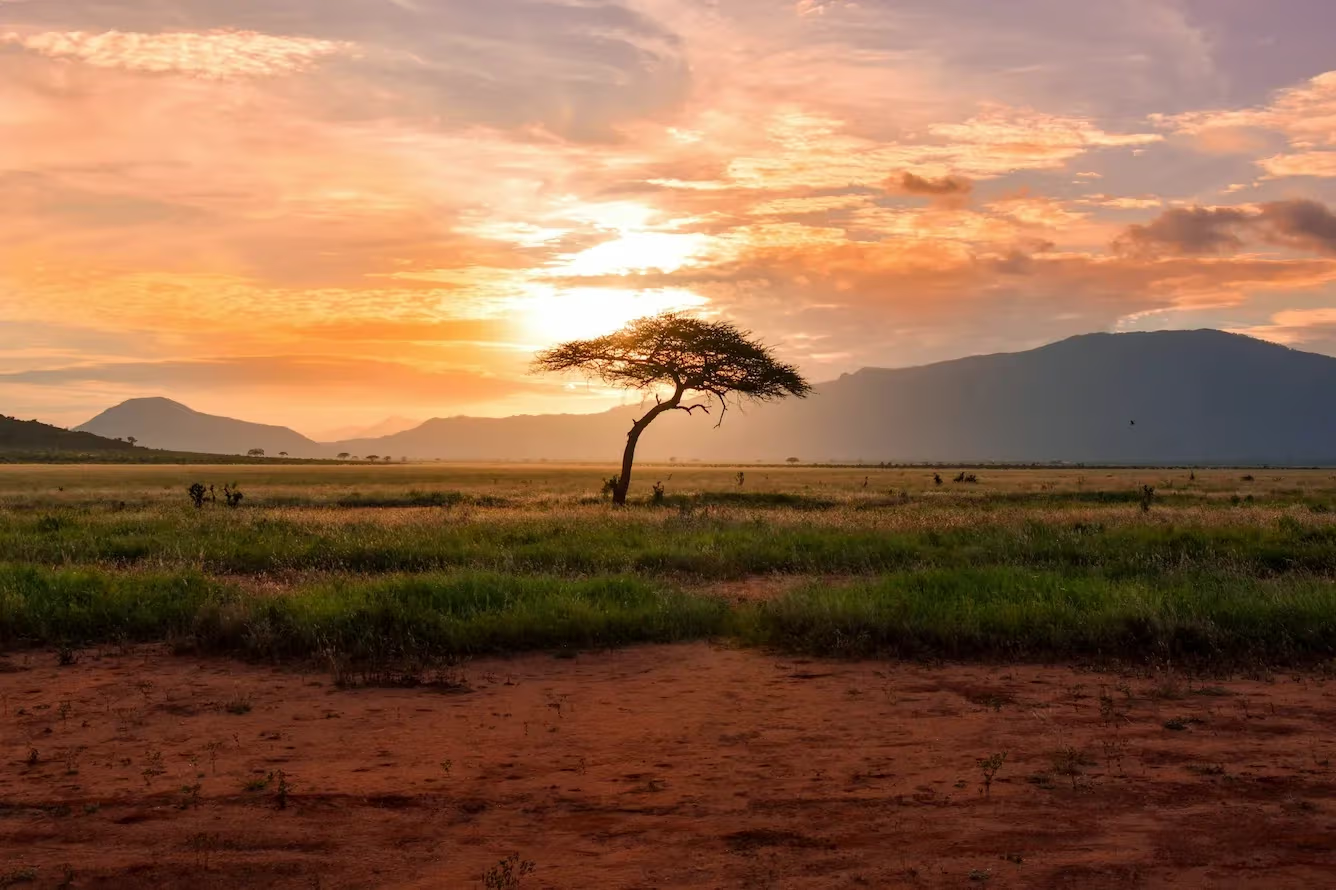
How Many Days Are Enough for Masai Mara?
May 21, 2026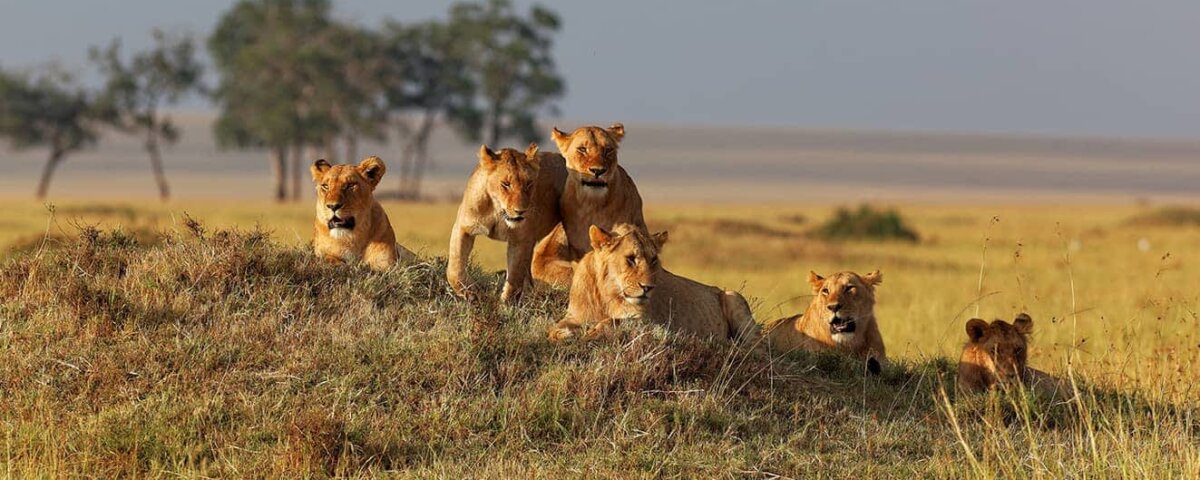
What Is the Best Time for a Masai Mara Safari?
A safari in the Masai Mara National Reserve creates unforgettable memories for travelers from around the world. The reserve offers rich wildlife, endless savannah landscapes, dramatic sunsets, and authentic African safari experiences throughout the year. However, many travelers still ask one important question before planning their journey: What is the best time for a Masai Mara safari? The answer depends on the type of experience a traveler wants to enjoy. Some visitors dream about witnessing the Great Migration, while others prefer quiet game drives, birdwatching, or affordable safari deals.
The Masai Mara changes with every season. Wildlife movements, weather conditions, grass levels, and visitor numbers all shift throughout the year. Therefore, each season creates a unique safari experience. Travelers who understand these seasonal differences can choose the perfect time for their safari adventure. This knowledge also helps visitors enjoy better wildlife sightings, comfortable weather, and excellent safari value.
The Masai Mara remains one of Africa’s top safari destinations because wildlife viewing stays impressive during every month of the year. Lions, elephants, cheetahs, giraffes, zebras, and countless bird species live in the reserve permanently. Even so, certain months provide more dramatic wildlife action than others. This guide explains the best seasons to visit the Masai Mara, highlights what travelers can expect during each period, and helps visitors plan an unforgettable African safari experience.
Visiting the Masai Mara During the Great Migration Season
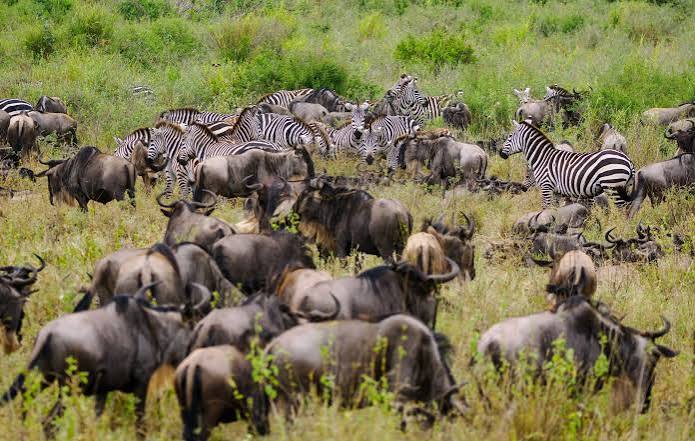
The Great Migration season stands out as the most famous time to visit the Masai Mara. Every year from around July to October, millions of wildebeests, zebras, and gazelles move from the Tanzania Serengeti ecosystem into the Masai Mara in search of fresh grazing land. This incredible wildlife movement attracts photographers, filmmakers, wildlife lovers, and adventure travelers from every corner of the world.
During this period, the reserve becomes extremely active. Travelers witness dramatic river crossings where wildebeests jump into crocodile filled waters while predators wait nearby. Lions, cheetahs, leopards, and hyenas take advantage of the migration season because prey animals become more available. As a result, game drives during these months often feel intense, exciting, and highly rewarding.
The weather during migration season usually remains dry and pleasant. The shorter grass also improves wildlife visibility. Therefore, travelers enjoy easier game viewing and better photography opportunities. The roads inside the reserve also stay more accessible because heavy rains rarely affect driving conditions during this period.
However, migration season also brings higher safari prices and larger visitor numbers. Lodges, camps, and flights often become fully booked months in advance. Travelers planning a migration safari should secure reservations early to avoid disappointment.
Even with the crowds, many visitors still consider July to October the best time for a Masai Mara safari because of the dramatic wildlife encounters and unmatched safari atmosphere.
Why the Dry Season Offers Excellent Safari Experiences
The dry season in the Masai Mara generally runs from June to October. Many safari experts consider this period the best overall season for wildlife viewing. During these months, the weather stays sunny, rainfall decreases, and animals gather around rivers, waterholes, and remaining green areas. Consequently, wildlife becomes easier to locate during game drives.
The dry season creates ideal conditions for photography. Clear skies, golden grasslands, and beautiful sunlight allow travelers to capture stunning safari images. In addition, animals spend more time in open spaces searching for water and food. This improves visibility and increases the chances of spotting predators.
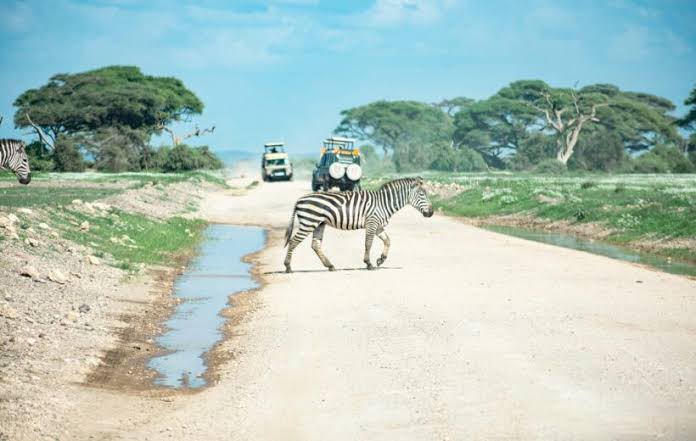
Road conditions during the dry season also remain much better compared to rainy months. Safari vehicles move easily through the reserve without getting stuck in muddy areas. Therefore, visitors enjoy smoother and more comfortable game drives.
Another major advantage involves mosquito levels. Dry conditions reduce mosquito activity, making safari experiences more comfortable for travelers. Families with children often prefer visiting during this season because the weather feels safer and more predictable.
Even though the dry season attracts more visitors, the Masai Mara still delivers excellent safari experiences because the reserve covers a vast area. Many camps and conservancies provide private or less crowded game viewing opportunities away from busy routes.
Travelers who prioritize excellent wildlife sightings, beautiful weather, and comfortable safari conditions often choose the dry season for their Masai Mara adventure.
Exploring Masai Mara During the Green Season
The green season usually occurs between November and May, with the heaviest rains often arriving during April and May. Although some travelers avoid this period, the green season actually offers many unique safari advantages. Visitors who travel during these months enjoy fewer crowds, beautiful scenery, and lower safari prices.
Rain transforms the Masai Mara into a lush, green paradise. The landscapes become vibrant, flowers bloom across the plains, and dramatic skies create breathtaking scenery. Photographers especially appreciate the rich colors and softer lighting during this season.
Birdwatching also becomes exceptional during the green season. Migratory birds arrive from Europe and other regions, increasing the number of bird species inside the reserve. Bird lovers often consider this the best time to explore the Masai Mara because colorful birds appear almost everywhere.
Many safari lodges and camps reduce their prices during the rainy months. Therefore, travelers looking for affordable safari experiences can save significant money while still enjoying quality wildlife viewing. Luxury lodges often provide excellent discounts during this season as well.
Wildlife remains present throughout the reserve despite the rain. Lions, elephants, giraffes, buffaloes, and many other animals continue moving across the plains year round. In fact, newborn animals often appear during the green season because grazing conditions improve.
However, travelers should prepare for occasional rain showers and muddy roads. Flexible travel schedules work best during this period. Visitors who value peaceful game drives, lower costs, and beautiful scenery often discover that the green season delivers surprisingly rewarding safari experiences.
Best Time for Wildlife Viewing in Masai Mara
Wildlife viewing remains the main reason travelers visit the Masai Mara. Fortunately, the reserve supports abundant wildlife throughout the year. However, certain seasons improve the chances of spotting specific animals or witnessing dramatic wildlife interactions.
The dry season from June to October generally provides the best overall wildlife viewing conditions. Animals gather near water sources, grass becomes shorter, and visibility improves significantly. Predators also become more active because prey animals concentrate in smaller areas.
The Great Migration months create especially dramatic wildlife encounters. Travelers often witness lions hunting wildebeests, crocodiles attacking river crossing herds, and cheetahs chasing gazelles across open plains. These intense moments create unforgettable safari memories.
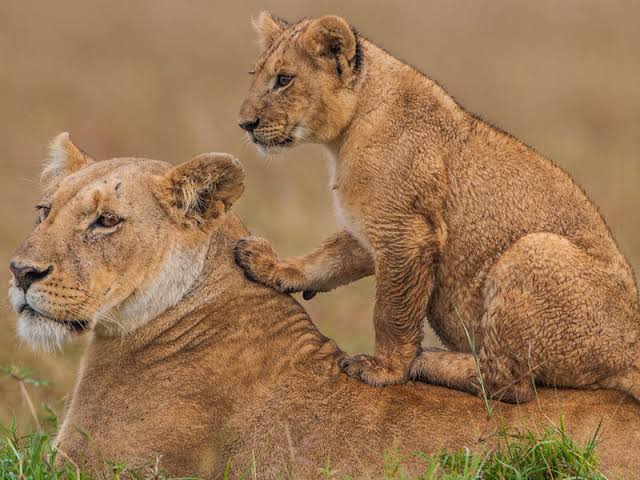
For travelers interested in big cats, the dry season offers excellent opportunities to see lions, leopards, and cheetahs. The open grasslands make it easier for safari guides to track predator movements. Early morning and late afternoon game drives usually produce the best sightings.
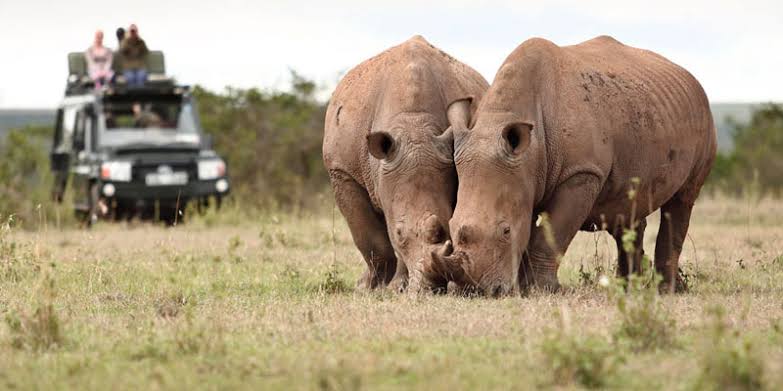
Elephants, giraffes, zebras, hippos, and buffaloes remain easy to spot throughout the year. Therefore, even visitors traveling outside migration season still enjoy rewarding game drives.
Birdwatchers should consider visiting between November and April because migratory birds arrive during these months. The reserve hosts hundreds of bird species, including eagles, kingfishers, ostriches, and colorful bee eaters.
The Masai Mara’s incredible biodiversity ensures exciting wildlife experiences during every season. Travelers simply need to match their safari goals with the right travel period.
What Is the Best Time for a Masai Mara Safari?: Best Time for Photography Safaris in Masai Mara
Photography safaris require careful timing because weather, lighting, landscapes, and animal behavior strongly influence image quality. Fortunately, the Masai Mara offers excellent photography opportunities throughout the year.
Many photographers prefer the dry season because shorter grass improves visibility. Wildlife gathers near rivers and open areas, making it easier to capture dramatic action shots. The golden grasslands also create classic African safari scenes that many travelers dream about photographing.
The migration season provides especially powerful photography opportunities. River crossings, predator hunts, and massive wildebeest herds create dynamic wildlife moments. Professional photographers from around the world often visit the Masai Mara during these months for dramatic storytelling images.
However, the green season also offers major advantages for photography. The landscapes become greener, skies appear more dramatic, and soft lighting improves portrait-style wildlife photography. Rain clouds and colorful sunsets create breathtaking backgrounds that enhance safari images.
Morning and evening game drives usually produce the best photography conditions because sunlight remains softer and animals stay more active. Midday sunlight often becomes harsh and less suitable for wildlife photography.
Travelers serious about photography should choose lodges near wildlife rich areas or private conservancies. These locations allow quicker access to wildlife and more flexible game drive schedules.
Whether travelers visit during the dry season or the green season, the Masai Mara continues delivering exceptional opportunities for wildlife photography and nature storytelling.
What Is the Best Time for a Masai Mara Safari?: Best Time for Budget-Friendly Masai Mara Safaris
Many travelers want to experience the Masai Mara while keeping safari costs manageable. Thankfully, certain seasons provide excellent value without reducing the quality of the safari experience.
The low season between April and May usually offers the cheapest safari rates. Lodges and safari operators lower their prices during this period because visitor numbers decrease. Travelers can often stay in premium lodges at significantly reduced prices.
The shoulder seasons from November to early December and January to March also provide attractive safari deals. During these months, travelers enjoy fewer crowds, pleasant weather, and strong wildlife viewing opportunities at lower costs than migration season.
Budget travelers can save even more money by joining group safaris instead of private tours. Shared transportation and accommodation reduce overall expenses considerably. Road safaris from Nairobi also cost less than domestic flights.
Travelers who avoid peak migration months often enjoy quieter game drives and more personalized safari experiences. This creates a relaxed atmosphere that many visitors appreciate.
Even during budget travel periods, wildlife viewing remains excellent because the Masai Mara supports permanent resident animals throughout the year. Therefore, travelers still enjoy seeing lions, elephants, giraffes, zebras, and many other species.
Planning a safari during affordable travel periods allows visitors to experience one of Africa’s greatest wildlife destinations without overspending.
What Is the Best Time for a Masai Mara Safari?: Safari?:Choosing the Right Time Based on Your Safari Goals
The best time for a Masai Mara safari depends entirely on personal travel goals. Travelers looking for dramatic wildlife action and river crossings should visit during the Great Migration from July to October. This season delivers the most iconic safari moments and unforgettable wildlife spectacles. With Giant Holiday Safaris, guests can enjoy expertly planned itineraries that maximize migration sightings and ensure safe, comfortable experiences.
Visitors seeking fewer crowds and lower prices may prefer the green season or shoulder months. These periods offer peaceful game drives, beautiful scenery, and excellent value for money. Families with flexible travel schedules often choose these quieter months. Giant Holiday Safaris provides tailored packages during these seasons, balancing affordability with quality service.
Photography enthusiasts may enjoy both dry and green seasons depending on their preferred style. The dry season offers classic safari scenes and easier wildlife visibility, while the green season creates vibrant landscapes and dramatic skies. Giant Holiday Safaris supports photographers with customized itineraries, ensuring they capture the best shots in every season.
Birdwatchers should travel between November and April when migratory birds fill the reserve. Travelers interested in luxury safaris may choose quieter periods because many high-end lodges provide seasonal discounts. Giant Holiday Safaris connects guests with exclusive lodges and birdwatching tours, enhancing both luxury and wildlife experiences.
Weather preferences also matter. Some travelers enjoy warm sunny days during the dry season, while others appreciate the cooler temperatures and fresh landscapes during rainy months. Giant Holiday Safaris helps guests match their comfort preferences with the right safari timing.
The Masai Mara delivers unforgettable safari experiences during every season. Therefore, travelers should focus on matching their interests, budget, and expectations with the right travel period. With Giant Holiday Safaris as a trusted operator, every safari becomes a well-organized journey that aligns perfectly with individual goals and creates lasting memories.
Conclusion
Many travelers continue asking what is the best time for a Masai Mara safari because each season creates a different but equally rewarding experience. The Great Migration months from July to October provide dramatic wildlife encounters and world-famous river crossings. The dry season offers ideal weather, excellent wildlife viewing, and comfortable safari conditions. Meanwhile, the green season delivers lush scenery, fewer crowds, lower prices, and exceptional birdwatching opportunities. With Giant Holiday Safaris, guests can select tailored packages that highlight the unique advantages of each season, ensuring a well-planned and memorable adventure.
The Masai Mara National Reserve remains one of Africa’s most spectacular safari destinations throughout the year. Travelers can enjoy incredible wildlife, breathtaking landscapes, and authentic African safari adventures during every season. Giant Holiday Safaris helps visitors match their safari dreams, budget, and travel goals with the right timing, offering expert guidance and seamless arrangements.
No matter when travelers visit, the Masai Mara continues to create unforgettable memories that connect visitors deeply with Africa’s wildlife and natural beauty. By choosing Giant Holiday Safaris, guests gain the assurance of professional service, conservation-focused practices, and personalized itineraries that transform every safari into a truly extraordinary experience.
Combined Uganda, Kenya, Rwanda, and Tanzania Safaris
17 days Kenya Tanzania and Uganda safari 19 Days Uganda Kenya and Tanzania Safari
16 Days Kenya Tanzania and Uganda Safari
14 Days Kenya Uganda and Tanzania Safari
14 Days Kenya Uganda and Rwanda Safari