What are the most luxurious safari lodges in Kenya?
August 15, 2026
What is the best Kenya safari company for families?
August 15, 2026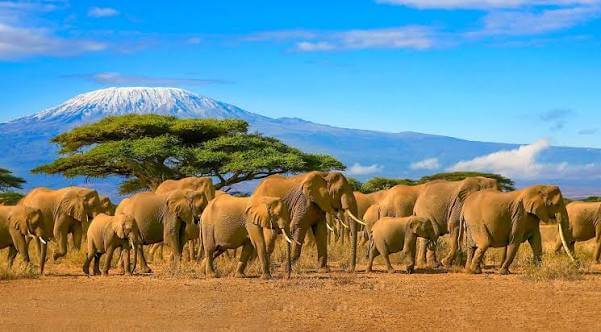
Which Kenya Safari Destinations Are Less Touristy?
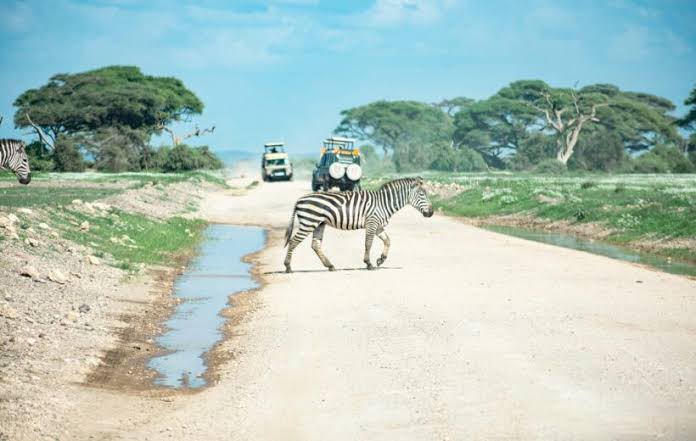
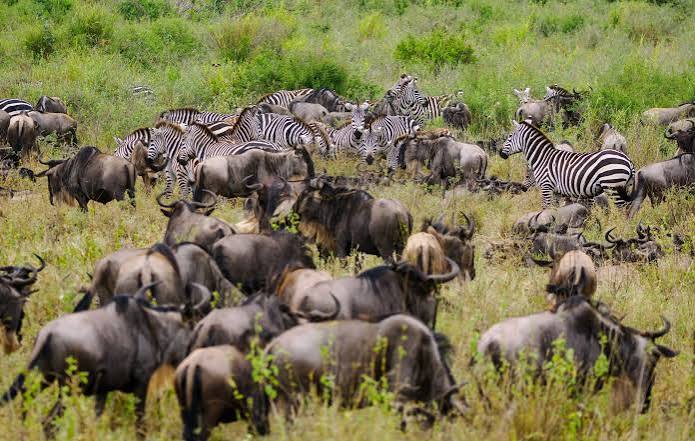
Kenya is one of Africa’s most famous safari countries, and for good reason. The country offers vast savannahs, dramatic landscapes, rich wildlife, ancient cultures, and some of the most memorable safari experiences in the world. However, many international travelers immediately think of the Maasai Mara, Amboseli, Lake Nakuru, and Tsavo when planning a Kenya safari. These destinations deserve their popularity, yet Kenya has many other remarkable places where travelers can enjoy wildlife and nature with fewer crowds.
Choosing a less touristy safari destination does not mean choosing a destination with less to offer. In fact, quieter parks and conservancies often create a more personal and relaxed safari experience. You can spend more time observing wildlife without competing with large numbers of safari vehicles. You may also discover landscapes that feel untouched, meet local communities in meaningful settings, and experience a slower side of Kenya that large safari circuits sometimes miss.
Kenya’s lesser-known safari destinations also provide excellent opportunities for travelers who want something different from the classic safari route. From the dry wilderness of Samburu to the remote beauty of Meru National Park and the wildlife rich conservancies around Laikipia, these areas reveal another side of the country. Moreover, many of them combine wildlife with conservation, culture, hiking, birding, and community experiences.
For travelers seeking privacy, authentic encounters, and a deeper connection with nature, exploring Kenya beyond its busiest parks can transform an ordinary safari into a truly memorable African adventure.
Combined Uganda, Kenya, Rwanda and Tanzania Safaris
17 days Kenya Tanzania and Uganda safari
19 Days Uganda Kenya and Tanzania Safari
16 Days Kenya Tanzania and Uganda Safari
14 Days Kenya Uganda and Tanzania Safari
14 Days Kenya Uganda and Rwanda Safari
12 Day Gorilla Trekking and Tanzania Safari
Why Choose Less Touristy Safari Destinations in Kenya?
Less touristy safari destinations offer an important advantage: space. A safari becomes more enjoyable when you can observe animals without constantly seeing lines of vehicles around every sighting. In quieter areas, guides can often spend more time interpreting animal behavior, tracking footprints, identifying birds, and explaining the smaller details that make the wilderness fascinating.
Furthermore, quieter destinations can provide a stronger sense of wilderness. The sound of wind moving through dry grass, the calls of birds at sunrise, and the distant movement of wildlife create an atmosphere that feels natural and unhurried. Instead of moving quickly between famous attractions, you can slow down and appreciate the environment.
These destinations also support a broader approach to tourism. When travelers explore different parts of Kenya, tourism revenue reaches communities and conservation projects outside the country’s most famous parks. That wider distribution can help strengthen local livelihoods while encouraging the protection of wildlife habitats.
Another advantage involves flexibility. Smaller parks and private conservancies often allow experiences that busy national parks may restrict. Depending on the location and operator, travelers may enjoy walking safaris, night drives, cultural visits, guided nature walks, photography activities, and specialized wildlife tracking.
Therefore, choosing a less crowded destination does not mean sacrificing quality. Instead, it can create a safari that feels more personal, flexible, and connected to Kenya’s natural environment.
Samburu National Reserve
Samburu National Reserve stands among Kenya’s most rewarding alternatives for travelers who want spectacular wildlife without following the busiest safari circuit. Located in northern Kenya, Samburu presents a striking landscape of dry plains, rugged hills, rocky outcrops, and the life giving Ewaso Ng’iro River. The scenery feels completely different from the classic grasslands associated with the Maasai Mara.
One of Samburu’s greatest attractions is its distinctive wildlife. The reserve supports several species strongly associated with northern Kenya, including the Grevy’s zebra, reticulated giraffe, gerenuk, Beisa oryx, and Somali ostrich. These animals add variety to the safari experience and give visitors excellent opportunities to learn how wildlife adapts to dry environments.
The river also plays a major role in the ecosystem. During dry periods, wildlife gathers around available water sources, creating productive game viewing opportunities. Elephants, for example, can often provide memorable sightings as they move through the riverine environment.
Samburu also offers an opportunity to experience the culture of northern Kenya. The region has strong connections with Samburu communities whose traditions, crafts, livestock practices, and relationship with the landscape form an important part of the local identity.
For photographers, Samburu offers exceptional visual variety. Warm-colored hills, dramatic skies, distinctive wildlife, and golden landscapes create excellent conditions for photography. Most importantly, the reserve provides a safari experience that feels adventurous and distinctly northern Kenyan.
Meru National Park
Meru National Park provides one of Kenya’s most compelling options for travelers who want to escape the busiest safari routes. The park lies east of Mount Kenya and combines rivers, forests, open grasslands, wetlands, and dry landscapes. This ecological variety gives Meru a character that differs sharply from many of Kenya’s better-known safari destinations.
The park has a rich wildlife population that includes elephants, lions, leopards, buffaloes, giraffes, zebras, antelopes, and numerous bird species. Its rivers provide essential water in a relatively dry environment, attracting wildlife and creating productive areas for game viewing.
Meru also carries an important conservation history. The park became internationally famous through the conservation work associated with George and Joy Adamson and the lioness Elsa. Today, visitors can explore the wider wilderness that helped establish Meru as an important destination for wildlife conservation.
One of the park’s greatest strengths is its sense of space. You can drive through expansive landscapes without encountering the heavy concentration of vehicles found in some of Kenya’s busiest wildlife areas. That creates opportunities to enjoy animal sightings at a slower pace.
Birdwatchers can also find Meru particularly rewarding because its different habitats support a broad range of birdlife. In addition, the park’s scenery changes dramatically as you travel through it, making each game drive feel different.
For travelers who want a peaceful safari with strong wildlife potential and a rich conservation background, Meru National Park deserves serious consideration.
Laikipia Conservancies
Laikipia offers one of the most diverse safari experiences in Kenya, particularly for travelers who value conservation, exclusivity, and unusual wildlife encounters. Rather than functioning as one traditional national park, Laikipia contains a collection of private and community conservancies spread across a large landscape north of Mount Kenya.
This structure creates an important difference. Many conservancies manage wildlife alongside livestock, agriculture, and local communities. As a result, conservation becomes part of a wider landscape rather than something separated entirely from human life.
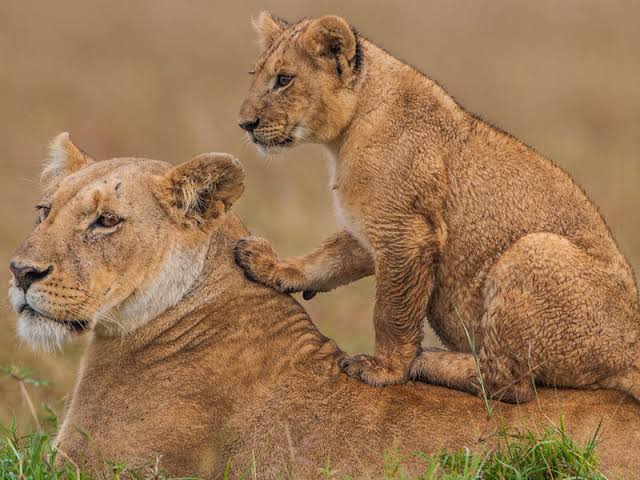
Laikipia supports elephants, lions, leopards, buffaloes, giraffes, zebras, wild dogs, and numerous antelope species. The region is especially valuable for travelers interested in African wild dogs and other species that can be difficult to find elsewhere.
Another major advantage involves safari activities. Depending on the conservancy, travelers may take part in walking safaris, night drives, horseback experiences, wildlife tracking, cultural activities, and conservation focused visits. These experiences can provide a deeper understanding of the ecosystem because travelers do more than simply observe animals from a vehicle.
Laikipia also demonstrates how tourism can contribute to conservation when local communities and landowners have a meaningful role in protecting wildlife. Tourism supports employment, hospitality businesses, conservation programs, and community projects.
For travelers who want a safari that combines wildlife with conservation and active exploration, Laikipia stands out as one of Kenya’s strongest choices.
Lewa Wildlife Conservancy
Lewa Wildlife Conservancy provides a quieter and more conservation-focused alternative to Kenya’s major safari parks. Located in northern Kenya near Mount Kenya, Lewa protects an important landscape for endangered wildlife while supporting surrounding communities.
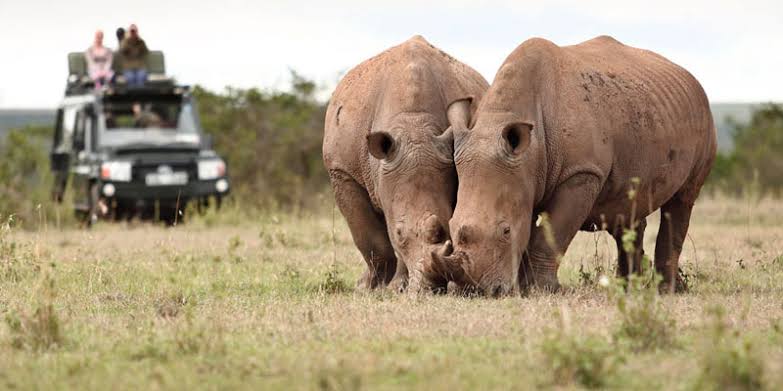
The conservancy has a particularly strong reputation for rhino conservation. Both black and white rhinos live within the protected area, giving visitors an excellent opportunity to understand the importance of long term wildlife protection. The area also supports elephants, lions, leopards, Grevy’s zebras, giraffes, buffaloes, and many other species.
However, Lewa offers more than wildlife viewing. Its conservation model connects habitat protection with community development, education, healthcare, and sustainable livelihoods. This makes the destination especially valuable for travelers who want their safari to have a positive wider impact.
The landscape also creates an attractive setting for photography and nature exploration. Open plains, mountain views, wildlife, and changing light conditions provide a strong combination for photographers.
Because Lewa operates differently from a large public safari park, visitors can often enjoy a more intimate atmosphere. The focus remains on conservation and meaningful experiences rather than simply checking animals off a list.
Travelers who care about endangered species, responsible tourism, and high quality wildlife experiences will find Lewa particularly appealing. It demonstrates that a safari can provide excitement while also helping protect the ecosystems and communities that make Kenya special.
Ol Pejeta Conservancy
Ol Pejeta Conservancy sits in Kenya’s Laikipia region and offers an excellent alternative for travelers who want strong wildlife viewing with fewer crowds than the country’s busiest safari destinations. The conservancy combines expansive wildlife habitat with ambitious conservation programs, creating an experience that goes beyond traditional game drives.
One of its major attractions is its rhino conservation work. Travelers can learn about the protection of critically endangered northern white rhinos while also observing black and white rhinos in a secure environment. This creates an educational element that adds depth to the safari.
Ol Pejeta also supports lions, elephants, buffaloes, giraffes, zebras, cheetahs, and many other species. Its open landscapes can make wildlife viewing highly rewarding, especially during early morning and late afternoon when animals become more active.
The conservancy also offers a range of activities that can make a visit more varied. Depending on the current operating arrangements, travelers can experience wildlife drives, conservation visits, guided walks, and other activities designed to connect visitors with the landscape.
For families, photographers, conservation enthusiasts, and first-time safari travelers, Ol Pejeta provides a balanced experience. It combines accessible wildlife viewing with a strong conservation message.
Although the conservancy has become increasingly recognized, it can still provide a more intimate experience than Kenya’s most heavily visited parks, particularly when travelers plan their timing carefully and choose accommodation that matches their preferred level of privacy.
Tsavo West and Tsavo East Beyond the Main Routes
Tsavo is already a famous safari destination, so it may seem unusual to include it among less touristy options. However, Tsavo covers an enormous area, and travelers who move beyond the most popular routes can discover quieter corners with a powerful sense of wilderness.
Tsavo East is known for its expansive landscapes, large elephant populations, and striking red soils. The park’s huge size means that visitors can travel through remote areas where the landscape feels almost endless. Tsavo West offers a different character, with volcanic landscapes, rocky terrain, springs, hills, and views toward Mount Kilimanjaro in suitable conditions.
The key is to approach Tsavo differently from a quick stopover. Spending several nights in the park allows travelers to explore more thoroughly and avoid concentrating their activities around the busiest locations.
Tsavo also provides an opportunity to appreciate scale. The park forms part of one of Kenya’s most important wildlife landscapes, and its size gives animals room to move across large habitats.
Travelers interested in geology, birds, elephants, photography, and dramatic landscapes can find Tsavo particularly rewarding. Its rugged beauty creates a safari atmosphere that differs from the open grasslands of the Maasai Mara.
Therefore, Tsavo remains a strong choice for travelers who want a famous destination but still value solitude. The experience depends heavily on the route, accommodation, season, and safari planning.
Amboseli’s Quieter Side
Amboseli National Park is one of Kenya’s most recognizable destinations because of its iconic views of Mount Kilimanjaro and large elephant herds. While the park can attract significant visitor numbers, travelers can still experience a quieter side by choosing the right timing, accommodation, and surrounding conservancies.
The landscape changes dramatically across the park. Open plains, seasonal wetlands, dry areas, and views of Kilimanjaro create a remarkable setting for wildlife photography. Elephants remain one of the main attractions, but the ecosystem also supports lions, cheetahs, buffaloes, giraffes, zebras, hyenas, and many bird species.
Travelers who want to reduce crowd exposure should consider visiting outside the busiest periods and spending additional time in nearby community conservancies. These areas can provide a more private experience while also giving visitors opportunities to understand how local communities coexist with wildlife.
Amboseli also works well as part of a broader Kenya itinerary. Rather than rushing through the park for one famous photograph, travelers can stay longer and explore its ecology, wildlife, and cultural landscape.
This approach changes the experience. Instead of treating Amboseli as simply a place to photograph elephants beneath Kilimanjaro, you begin to understand the complex relationship between water, wildlife, livestock, conservation, and local communities.
Shimba Hills National Reserve
Shimba Hills National Reserve provides a completely different safari experience from Kenya’s dry northern landscapes. Located near Kenya’s coast, the reserve combines forested hills, grasslands, valleys, and coastal vegetation. Its proximity to the Indian Ocean makes it particularly useful for travelers who want to combine a beach holiday with wildlife and nature.
The reserve supports elephants, buffaloes, giraffes, leopards, antelopes, and many bird species. It is also an important habitat for the rare sable antelope, making it especially interesting for travelers who want to encounter wildlife beyond the usual safari favorites.
The landscape itself forms part of the attraction. Green hills and forest create a cooler, more enclosed atmosphere than the open savannahs found in the Maasai Mara or Amboseli. Waterfalls and viewpoints add another dimension to the experience.
Because many travelers visiting the Kenyan coast focus mainly on beaches and marine activities, Shimba Hills can offer a refreshing change. A traveler can spend time on the coast and then travel inland for a nature focused experience without committing to a long journey to the major safari parks.
For couples, families, birdwatchers, and travelers looking for a short safari from the coast, Shimba Hills offers excellent potential. It proves that Kenya’s wildlife experiences extend well beyond the famous savannah parks.
Kakamega Forest and Kenya’s Western Wilderness
Travelers who define safari only through big game may overlook western Kenya. Yet this region provides some of the country’s most interesting nature experiences. Kakamega Forest, in particular, offers a completely different environment from Kenya’s dry savannahs.
The forest supports an impressive range of birds, butterflies, primates, plants, and smaller wildlife. Its dense vegetation creates an environment where observation requires patience and attention. Instead of scanning distant plains for large mammals, travelers can listen for bird calls, identify plants, watch monkeys move through the canopy, and explore forest trails.
Western Kenya also provides opportunities to connect wildlife travel with local culture and landscapes. The region has a strong agricultural identity and a rich cultural heritage, creating a more community centered travel experience.
For birdwatchers, nature photographers, hikers, and repeat safari travelers, this area can provide something genuinely different. It also works well as an addition to a longer Kenya itinerary for visitors who have already experienced the classic parks.
Although Kakamega does not compete with the Maasai Mara for large predator sightings, that is not its purpose. Its value comes from biodiversity, forest ecology, and the opportunity to explore a quieter part of Kenya.
A well designed Kenya safari should not focus only on the largest animals. Smaller ecosystems often reveal some of the country’s greatest natural treasures.
When Is the Best Time to Visit Less Touristy Kenya Safari Destinations?
The best time to visit a less touristy safari destination depends on the experience you want. Wildlife viewing often becomes easier during dry periods because animals gather around limited water sources and vegetation becomes less dense. However, dry seasons can also attract more visitors to some popular destinations.
Traveling during shoulder seasons can provide a useful balance. You may encounter fewer travelers while still enjoying good wildlife viewing conditions. Green-season travel can also bring dramatic skies, fresh vegetation, newborn animals, and excellent birdwatching.
Weather patterns vary considerably across Kenya, so travelers should avoid treating the entire country as one climate zone. Northern Kenya, the central highlands, western Kenya, and the coast can experience different conditions.
Timing also affects photography. Early mornings and late afternoons generally offer softer light and increased animal activity. Longer stays increase your chances of experiencing memorable wildlife behavior because nature does not follow a fixed schedule.
Most importantly, travelers should choose a season based on their priorities rather than simply following the busiest travel calendar. If solitude matters most, a quieter season and a less-visited destination can provide a better overall experience.
Good safari planning considers weather, wildlife movement, road conditions, accommodation, conservation policies, and personal interests. That combination produces a more reliable and rewarding trip.
How to Plan a Less Crowded Kenya Safari
Planning a less crowded safari requires more than selecting an unfamiliar park. Your travel dates, accommodation location, safari vehicle, guide, route, and length of stay all influence how private the experience feels.
First, consider staying longer in one destination instead of moving every day. Longer stays allow your guide to explore different areas and respond to wildlife activity rather than following a rigid schedule.
Next, consider conservancies and private wildlife areas where appropriate. These destinations can offer additional activities and fewer vehicles because they operate under different management systems from public national parks.
Timing also matters. Early morning departures can help you reach productive wildlife areas before other vehicles arrive. Likewise, traveling during shoulder or green seasons can reduce visitor pressure in some areas.
Accommodation selection matters as well. A small lodge or intimate camp in a remote location can create a completely different experience from a large property near a busy park entrance.
Finally, work with a knowledgeable safari operator that understands Kenya beyond the standard tourist circuit. An experienced operator can match destinations to your interests instead of simply selling the most popular itinerary.
The goal should not be to avoid every other traveler. Instead, the goal is to create enough space and flexibility for you to experience Kenya’s wilderness naturally.
Responsible Tourism in Kenya’s Less Visited Destinations
Less touristy destinations require responsible travel because their ecosystems and communities can be more sensitive to tourism pressure. Travelers should therefore choose operators, lodges, camps, and conservancies that demonstrate genuine commitment to conservation and local communities.
Responsible safari behavior starts with simple actions. Stay on approved routes, keep a respectful distance from wildlife, avoid loud behavior around animals, and never encourage a guide to break conservation rules for a photograph. These choices protect wildlife while preserving the quality of the experience for future visitors.
Supporting local communities also matters. Travelers can choose locally owned businesses, purchase authentic crafts, use local guides where appropriate, and participate in community experiences that respect local culture.
Conservation-focused tourism creates a positive cycle. When communities gain meaningful benefits from protecting wildlife and habitats, conservation becomes economically valuable. When travelers support responsible businesses, those businesses have stronger incentives to maintain high environmental and social standards.
Less visited Kenya should never become the next overcrowded destination. The best approach combines tourism with careful planning, conservation, community participation, and respect for nature.
Travelers have an important role in shaping the future of African tourism. Every booking can support either responsible practices or unsustainable growth. Choosing wisely helps protect Kenya’s wilderness for future generations.
Conclusion
Kenya offers far more than its famous safari destinations. Samburu, Meru National Park, Laikipia, Lewa Wildlife Conservancy, Ol Pejeta, Shimba Hills, and the quieter areas of Tsavo can provide remarkable experiences for travelers who want fewer crowds and a deeper connection with nature. These destinations also demonstrate the diversity of Kenya’s landscapes, from dry northern wilderness and mountain ecosystems to coastal forests and community-managed conservancies.
A less touristy safari can offer more than solitude. It can create time for careful wildlife observation, meaningful cultural experiences, conservation learning, photography, birdwatching, and genuine appreciation of the landscape. Moreover, spreading tourism across different regions can help support communities and conservation initiatives beyond Kenya’s most famous parks.
The strongest safari itinerary does not simply collect famous destinations. It matches the traveler with the right landscape, season, activities, accommodation, and conservation model. That requires experience, careful planning, and a strong understanding of Kenya’s tourism environment.
For travelers who want dependable planning, authentic African experiences, and carefully selected destinations beyond the ordinary safari route, Giant Holiday Safaris provides a trusted approach to discovering Kenya. With thoughtful itinerary design and a commitment to meaningful African travel, the journey can move beyond simply seeing wildlife and become an experience that connects travelers with Kenya’s landscapes, people, conservation efforts, and remarkable natural heritage.