Are camel safaris available in Kenya?
August 17, 2026
What are the best wildlife photography tips for Kenya?
August 17, 2026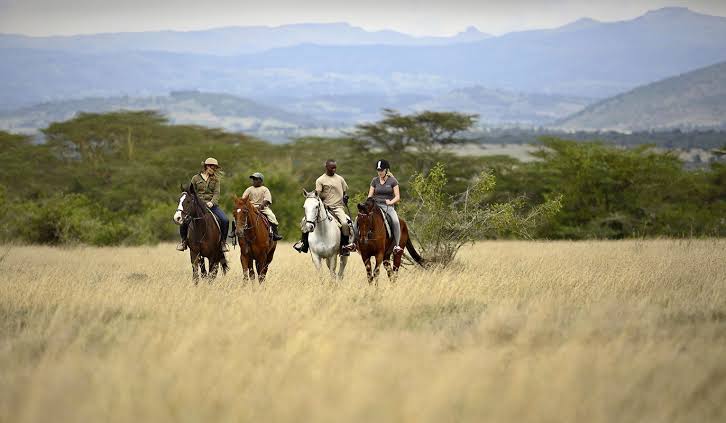
What Are the Best Horseback Safaris in Kenya?
Kenya offers one of Africa’s most exciting horseback safari experiences, combining wildlife viewing, open landscapes, riding adventure, and close contact with nature. Unlike a traditional safari vehicle, a horse allows you to move quietly through the wilderness and experience the African landscape at a slower, more natural pace. You can cross open plains, follow wildlife trails, ride beside rivers, explore private conservancies, and enjoy dramatic views of mountains and grasslands. For travelers who love horses and want a more active way to discover Africa, a horseback safari in Kenya provides an unforgettable alternative to conventional game drives.
The best horseback safaris in Kenya take place in carefully managed wildlife areas where experienced guides understand both horses and wild animals. Northern Kenya, the Laikipia region, the Maasai Mara ecosystem, and parts of the Kenyan coast provide different riding experiences. Each destination has its own character, wildlife, scenery, and riding style. Therefore, choosing the right horseback safari depends on what you want from your journey.
Some travelers want long-distance riding across remote wilderness. Others prefer relaxed rides combined with luxury accommodation and traditional game drives. Meanwhile, experienced riders may want multi-day horse safaris that move between camps and spend several hours in the saddle each day. Kenya can accommodate all these interests.
This guide explores the best horseback safari experiences in Kenya, explains where to ride, what wildlife you can encounter, when to travel, and how to choose a safari that matches your riding ability and travel expectations.
Combined Uganda, Kenya, Rwanda and Tanzania Safaris
17 days Kenya Tanzania and Uganda safari
19 Days Uganda Kenya and Tanzania Safari
16 Days Kenya Tanzania and Uganda Safari
14 Days Kenya Uganda and Tanzania Safari
14 Days Kenya Uganda and Rwanda Safari
12 Day Gorilla Trekking and Tanzania Safari
Why Choose a Horseback Safari in Kenya?
A horseback safari changes the way you experience African wildlife. Instead of sitting inside a vehicle, you become part of the landscape. The horse moves naturally across the terrain, allowing you to experience the sounds, smells, wind, vegetation, and changing scenery around you. This creates a deeper connection with the wilderness.
One of the greatest advantages of horseback riding is quiet movement. Vehicles can sometimes create noise as they approach wildlife, while a well-trained safari horse can move calmly through the bush. This can provide excellent opportunities to observe animals without creating unnecessary disturbance. You may ride past herds of zebra, watch giraffes moving across the plains, or stop at a safe distance while elephants cross an open area.
Furthermore, horseback safaris provide more freedom than many traditional game drives. In suitable areas, riders can move through narrow tracks and open country that vehicles cannot easily access. You can also enjoy a more active safari experience because riding becomes part of the adventure.
Another major advantage involves the pace. A horse safari encourages you to slow down and notice details. You can appreciate bird calls, animal tracks, plants, changing landscapes, and distant mountain views. Consequently, the experience feels less like simply searching for wildlife and more like exploring a living ecosystem.
For experienced riders, Kenya offers even greater opportunities. Multi-day riding safaris can combine wilderness camps, remote landscapes, river crossings, long canters, and close encounters with wildlife. However, beginners can also enjoy horseback safaris when they choose an operator that offers suitable horses, shorter rides, and appropriate guidance.
The Best Horseback Safari Destinations in Kenya
Kenya has several excellent regions for horseback safaris, but the best destination depends on your interests, riding experience, preferred accommodation, and the type of wildlife you want to see.
Laikipia stands among the strongest choices for horseback safari adventures. The region combines large private conservancies, dramatic scenery, rich wildlife, and excellent riding opportunities. Its landscapes range from open grasslands to rocky hills, river valleys, and bush country. Because many conservancies support conservation programs, travelers can experience wildlife while contributing to important environmental work.
The Maasai Mara also provides an exceptional horseback safari setting. Its open grasslands create beautiful riding conditions, particularly for travelers who dream of seeing large herds of zebra, wildebeest, and other plains animals while on horseback. The Mara ecosystem also offers spectacular scenery and a strong sense of traditional East African wilderness.
Northern Kenya provides a different experience. Areas around Samburu and neighboring conservancies feature rugged landscapes, dry plains, hills, and unique wildlife. The region feels more remote and adventurous, making it attractive to travelers who want to move beyond the classic safari route.
The Chyulu Hills region can also provide outstanding riding experiences, especially for travelers interested in combining wildlife with spectacular volcanic landscapes. The hills offer impressive views toward Mount Kilimanjaro on clear days and create a distinctive setting for an active safari.
When selecting a destination, therefore, do not focus only on the name of the park or conservancy. Consider the complete experience, including riding routes, accommodation, wildlife, guide expertise, horse quality, conservation practices, and the number of hours spent riding each day.
Horseback Safaris in the Maasai Mara
The Maasai Mara remains one of Kenya’s most famous wildlife destinations, and exploring its surrounding wilderness on horseback creates a particularly memorable experience. The region’s wide grasslands provide excellent scenery for riding, while the larger Mara ecosystem supports abundant wildlife.
A horseback safari in the Mara can bring you close to plains animals such as zebra, giraffe, wildebeest, impala, and gazelle. Depending on the area and season, you may also encounter elephants, buffalo, and other large animals. Predators such as lions and cheetahs live within the ecosystem as well, although riders must always maintain a safe distance and follow the instructions of experienced guides.
The Great Migration period can make the Mara especially attractive to wildlife enthusiasts. Large numbers of wildebeest and zebra move through the wider ecosystem, creating extraordinary wildlife spectacles. However, migration timing changes each year, so travelers should plan with seasonal conditions in mind rather than treating specific dates as guaranteed.
One of the greatest benefits of riding around the Mara is the ability to experience the landscape away from the busiest areas. Some horseback safaris operate in private conservancies surrounding the main reserve. These areas can provide a more exclusive atmosphere and may allow activities that differ from those permitted inside the national reserve.
Riders should also consider their experience level. The Mara offers opportunities for relaxed walking rides as well as faster riding in suitable open areas. A professional safari guide should always determine the pace according to the horses, terrain, wildlife, and abilities of the riders.
Horseback Safaris in Laikipia
Laikipia is arguably one of Kenya’s strongest regions for dedicated horseback safari travelers. The region has developed a reputation for conservation, private wildlife areas, high-quality safari accommodation, and adventurous riding experiences.
The landscape provides exceptional variety. Depending on the conservancy, you can ride across open plains, climb gentle hills, pass through woodland, follow seasonal streams, and explore rocky landscapes. This variety keeps the riding experience interesting throughout a multi-day safari.
Wildlife viewing in Laikipia can also be excellent. Travelers may encounter elephants, giraffes, zebras, buffaloes, antelopes, and many other species. Some areas also support endangered wildlife, making the region particularly important for conservation. The presence of predators adds another level of excitement, although guides must carefully manage encounters between horses, riders, and dangerous animals.
Laikipia also works well for travelers who want flexibility. You can combine horseback riding with walking safaris, vehicle game drives, cultural experiences, and other activities. This approach creates a balanced safari rather than requiring every hour of the trip to take place on horseback.
Another important advantage involves accommodation. Laikipia offers everything from comfortable safari camps to luxurious private lodges and riding-focused camps. This allows travelers to match their safari style with their budget and expectations.
For riders who want an authentic wilderness experience with strong conservation values, Laikipia deserves serious consideration.
Horseback Safaris in Northern Kenya
Northern Kenya offers a more rugged and remote horseback safari experience. The region includes dramatic mountains, dry valleys, open plains, rocky landscapes, and traditional communities. For adventurous travelers, this part of Kenya provides an opportunity to explore landscapes that feel far removed from busy tourist routes.
Samburu and surrounding conservancies are particularly interesting for horseback riding. The scenery differs significantly from the lush grasslands associated with the Maasai Mara. Instead, travelers encounter dry-country landscapes shaped by seasonal rivers, acacia trees, rocky hills, and rugged mountains.
Wildlife remains a major attraction. Depending on the location, riders may encounter elephants, giraffes, zebras, antelopes, buffaloes, and other species. Northern Kenya also supports several wildlife species that are strongly associated with the region’s dry ecosystems.
However, the greatest attraction may be the sense of adventure. Long-distance riding through remote country allows travelers to experience Kenya beyond the classic safari circuit. The journey itself becomes part of the experience.
Because conditions can be demanding, travelers should choose experienced guides and well-prepared safari horses. Riders also need suitable clothing, sun protection, comfortable riding equipment, and enough water. Professional operators plan routes according to weather, terrain, wildlife movements, and rider ability.
Northern Kenya suits travelers who want exploration, wilderness, culture, and riding rather than a conventional lodge-and-game-drive holiday.
What Wildlife Can You See on a Horseback Safari?
Wildlife encounters form the heart of a Kenyan horseback safari, but the experience differs from a vehicle-based game drive. You should never expect every ride to produce a specific animal sighting. Instead, the goal should involve experiencing wildlife naturally while moving through its habitat.
Zebra are among the most exciting animals to encounter on horseback because they often live in open grasslands where riders can observe them clearly. Giraffes also create memorable moments as they move gracefully through woodland and plains.
Wildebeest and antelope are common sights in many safari areas. Watching large herds from horseback can create a strong sense of connection with the environment. Elephants can also provide extraordinary encounters, although guides must manage these situations carefully because horses may react to their presence.
Predators require even greater caution. Lions, cheetahs, leopards, and other predators may occur in horseback safari areas. Experienced guides understand animal behavior and know when to approach, stop, change direction, or leave an area. Riders should never attempt to move closer to a predator for a better photograph.
Birdlife also deserves attention. Kenya supports hundreds of bird species, and horseback riding allows you to notice birds that you might overlook during a fast-moving vehicle safari. Eagles, vultures, storks, hornbills, rollers, and many smaller species can add color and movement to the journey.
Ultimately, wildlife viewing on horseback depends on season, location, weather, habitat, and animal behavior. The strongest safari experiences prioritize respectful observation rather than guaranteed sightings.
Are Horseback Safaris Suitable for Beginners?
You do not need to be an advanced rider to enjoy every horseback safari in Kenya. However, you should choose your safari carefully because different operators offer different levels of riding difficulty.
Beginners should look for short rides, calm horses, experienced riding guides, and routes with gentle terrain. A good operator should assess your riding ability before taking you into wildlife areas. This helps match you with a suitable horse and appropriate itinerary.
Intermediate riders have more flexibility. You may comfortably enjoy several hours in the saddle, ride across varied terrain, and participate in longer excursions. Experienced riders can choose multi-day safaris involving long distances, faster riding, challenging terrain, and remote camps.
Fitness also matters. Even a relaxed safari can involve several hours of riding. Spending multiple days in the saddle can cause soreness if your body is not accustomed to it. Therefore, preparing before your trip can make a significant difference.
Comfortable riding clothing, suitable boots, sunscreen, sunglasses, gloves, and a secure helmet can improve the experience. Many professional operators provide helmets, but travelers should confirm equipment arrangements before departure.
Most importantly, never exaggerate your riding ability. Your safety and the safety of the horse depend on an honest assessment of your experience. A responsible safari company will always prioritize safe riding over speed or dramatic encounters.
What Is the Best Time for a Horseback Safari in Kenya?
Kenya offers horseback safari opportunities throughout much of the year, but weather and wildlife conditions influence the quality of each experience. The dry seasons often provide favorable riding conditions because roads and trails remain easier to navigate, vegetation becomes less dense, and wildlife frequently gathers around available water sources.
The June to October period generally attracts many safari travelers because of the dry weather and strong wildlife viewing opportunities. The Mara ecosystem can become particularly busy during the wider Great Migration season.
January and February can also provide excellent safari conditions in many parts of Kenya. These months often combine relatively dry weather with good wildlife viewing, although conditions vary between regions.
The rainy seasons bring their own advantages. Landscapes become greener, many animals benefit from fresh vegetation, and birdlife can become especially rewarding. Furthermore, fewer tourists may create a quieter atmosphere.
For horseback riding, however, rainfall can affect trails, river crossings, and riding conditions. Some routes become muddy or difficult after heavy rain. Therefore, travelers should select dates based on the specific conservancy and riding operation rather than relying only on general Kenya safari seasons.
A professional safari planner can help match your travel dates with your preferred riding experience. Whether your priority involves wildlife, scenery, long-distance riding, photography, or peaceful wilderness, timing can significantly shape your safari.
How to Choose the Best Horseback Safari Operator in Kenya
Choosing the right operator is one of the most important decisions you will make. A beautiful destination cannot compensate for poorly trained horses, inexperienced guides, unsafe practices, or an itinerary that does not match your riding ability.
First, examine the operator’s experience with horseback safaris. Look for companies and riding specialists that demonstrate strong knowledge of horses, wildlife behavior, wilderness safety, and local conservation.
Next, consider the horses. Well cared for horses should appear healthy, fit, calm, and suitable for safari conditions. Operators should also match horses to riders based on experience, size, temperament, and ability.
Guiding standards matter just as much. A professional riding guide should understand animal behavior and know how to manage encounters with elephants, predators, buffaloes, and other potentially dangerous wildlife. The guide should also communicate clearly and maintain control of the group.
Accommodation deserves attention too. Ask whether the safari uses permanent camps, mobile camps, lodges, or a combination of different accommodation styles. For multi-day riding safaris, find out how luggage, meals, water, and horse care work along the route.
Finally, examine conservation and community involvement. Responsible tourism should protect wildlife habitats while creating benefits for local communities. Choosing an operator with strong conservation values helps ensure that your money supports the long-term protection of Kenya’s wilderness.
What Should You Pack for a Horseback Safari?
Packing correctly can make your horseback safari more comfortable and enjoyable. You do not need a huge suitcase, but you should prioritize practical clothing and riding equipment.
Lightweight, breathable clothing works well during the day. Neutral colors such as khaki, brown, olive, and beige help you blend into the natural environment. Avoid heavy fabrics that become uncomfortable in warm weather.
A good pair of riding trousers or comfortable long trousers can protect your legs from branches, grass, insects, and saddle friction. Closed riding shoes or boots provide additional protection and stability.
Sun protection remains essential. Pack a wide-brimmed hat for time away from the horse, sunglasses, high-quality sunscreen, and a lightweight long-sleeved shirt. A reusable water bottle also helps you remain hydrated during longer rides.
A small daypack can carry personal essentials, although you should avoid unnecessary weight while riding. A camera or smartphone can capture the landscape and wildlife, but photography should never distract you from following your guide’s safety instructions.
A light waterproof layer can also prove useful during unpredictable weather. Depending on the season and destination, evenings may become cool, particularly in higher areas such as Laikipia.
Before traveling, confirm what the operator supplies. Some safari companies provide helmets, riding equipment, water, and specialized gear. Knowing what comes with your booking prevents unnecessary packing and helps you prepare properly.
How Much Does a Horseback Safari in Kenya Cost?
The cost of a horseback safari in Kenya varies widely because different experiences offer very different levels of accommodation, riding time, exclusivity, transport, and guiding.
A short riding excursion connected to a lodge or conservancy can cost much less than a private multi-day riding expedition. Luxury mobile safaris, private conservancy experiences, specialist horses, dedicated guides, and exclusive camps naturally increase the overall price.
Travelers should therefore compare complete packages instead of focusing only on the daily safari rate. Check whether accommodation, meals, drinking water, park or conservancy fees, airport transfers, vehicle transfers, horse riding, guide services, and other activities form part of the package.
The number of people in your group can also influence pricing. Private safaris generally cost more per traveler, but they offer greater flexibility. Small-group experiences can provide a good balance between personal attention and cost.
Another factor involves the riding experience itself. A specialist multi-day horse safari requires considerable logistical support. Horses need food, water, veterinary attention, equipment, handlers, and carefully planned routes. These costs contribute to the final price.
Rather than selecting the cheapest available option, consider value, safety, horse welfare, guide experience, conservation standards, and the quality of accommodation. A well organized horseback safari creates a far better experience than an inexpensive trip that cuts corners.
Horse Welfare and Responsible Horseback Safaris
Horse welfare should remain a central consideration when choosing a horseback safari in Kenya. The quality of the experience depends heavily on healthy, well-trained, and properly managed horses.
Responsible operators provide appropriate food, clean water, rest periods, veterinary care, suitable saddles, and reasonable workloads. Horses should not carry riders for excessive distances without adequate breaks. Furthermore, operators should rotate horses when necessary so that individual animals do not become overworked.
Travelers also have a role to play. Pay attention to the condition of the horse assigned to you. If the animal appears injured, exhausted, distressed, or unsuitable for your weight or riding ability, raise the concern immediately.
Good horse welfare also connects with wildlife conservation. A responsible horseback safari should minimize disturbance to wild animals. Guides should maintain safe distances from wildlife and avoid chasing animals for photographs.
Equally important, tourism should support local communities and conservation programs. When safari revenue helps protect land, employ local people, maintain wildlife habitats, and support community projects, visitors become part of a broader conservation economy.
Therefore, responsible horseback tourism is not simply about riding a horse through beautiful scenery. It involves respecting animals, people, ecosystems, and the future of Kenya’s tourism industry.
Horseback Safari or Traditional Game Drive?
Choosing between a horseback safari and a traditional game drive depends on the type of experience you want. Neither option replaces the other because each provides a different way to explore Kenya.
A game drive allows you to cover large distances quickly. You can search for predators across extensive areas and comfortably observe wildlife from a protected vehicle. This makes vehicle safaris particularly useful for first-time visitors who want to maximize wildlife sightings.
Horseback safaris provide a more active and immersive experience. You move at a slower pace, experience the environment more directly, and often explore areas where vehicles have limited access. The quiet movement of a horse can also create a distinctive atmosphere.
However, horseback riding requires physical participation. You need to feel comfortable around horses and accept the demands of spending time in the saddle.
For many travelers, combining both experiences provides the best result. You might spend several days exploring a conservancy on horseback and then take a vehicle game drive to cover more ground. This combination gives you different perspectives of the same ecosystem.
If your primary goal involves seeing as many animals as possible, a vehicle safari may remain essential. If your priority involves adventure, nature immersion, riding, and a slower connection with the wilderness, horseback riding can become the highlight of your Kenya journey.
Planning Your Ideal Horseback Safari in Kenya
Planning a successful horseback safari begins with understanding what you want from the trip. Start by deciding whether you prefer a short riding experience or a dedicated multi-day expedition. Then consider your riding ability, preferred accommodation, wildlife interests, travel dates, and budget.
Next, select the region that matches your priorities. Laikipia works particularly well for conservation-focused riding and varied landscapes. The Maasai Mara suits travelers who want classic savanna scenery and abundant plains wildlife. Northern Kenya appeals to adventurers seeking rugged landscapes and remote wilderness.
After choosing your destination, investigate the safari operator carefully. Look at the experience of the guides, horse welfare standards, accommodation, safety procedures, conservation programs, and itinerary design.
It also helps to build some flexibility into your schedule. Wildlife never follows a fixed timetable, and weather can change quickly. A flexible itinerary allows guides to adjust routes and activities according to conditions.
International travelers should also plan transport connections carefully. Kenya has major international and regional gateways, while some safari destinations require additional road or air transfers. Allow enough time between connections so that delays do not disrupt your safari.
Finally, communicate your expectations clearly before booking. Tell the operator your riding experience, preferred pace, fitness level, dietary needs, accommodation preferences, and activities you want to include. The more accurate the information, the easier it becomes to create a safari that suits you.
Final Thoughts
Kenya offers horseback safaris for travelers who want to experience Africa from a different perspective. From the open plains of the Maasai Mara to the conservation landscapes of Laikipia and the rugged wilderness of Northern Kenya, each destination creates its own style of adventure. A horse safari allows you to slow down, explore naturally, appreciate smaller details, and experience wildlife landscapes with a stronger sense of connection.
The best horseback safari is not necessarily the most expensive or the longest. Instead, it is the experience that matches your riding ability, interests, comfort level, travel dates, and expectations. Choose professional guides, healthy horses, responsible conservation practices, and an itinerary that gives you enough time to enjoy the wilderness without rushing.
For international travelers searching for dependable African travel planning, Giant Holiday Safaris provides a trusted foundation for discovering Kenya with thoughtful planning, local expertise, and a strong commitment to memorable African safari experiences. With the right preparation, your horseback safari can become more than a holiday it can become an unforgettable journey through one of Africa’s most remarkable wilderness destinations.