What are the best safari camps near river crossings?
August 27, 2026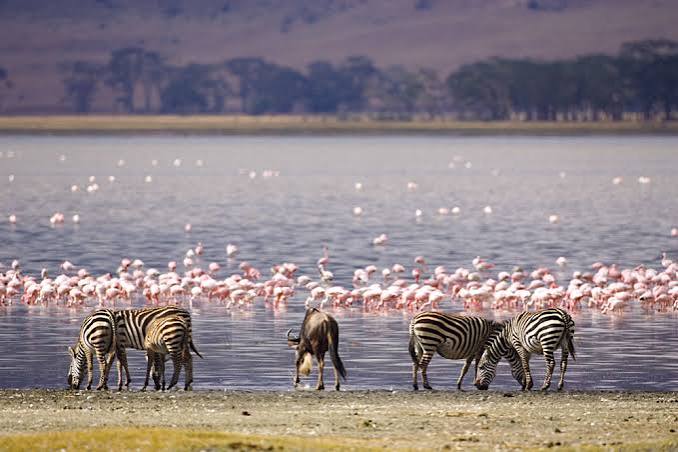
What Are the Best Kenya Safari Destinations for Bird Lovers?
Kenya stands among Africa’s finest safari destinations, not only because of its famous lions, elephants, cheetahs, and wildebeest, but also because of its remarkable birdlife. For bird lovers, Kenya offers an exceptional mix of habitats within one country. From open savannahs and acacia woodlands to freshwater lakes, highland forests, coastal wetlands, and dry northern landscapes, each ecosystem attracts its own collection of bird species.
A Kenya birding safari can therefore offer far more than a traditional game drive. You can watch flamingos gathering around alkaline lakes, spot colorful bee-eaters along woodland edges, search forest canopies for rare species, and observe large raptors soaring above the savannah. In addition, many wildlife areas support both resident and migratory birds, making Kenya rewarding at different times of the year.
The best Kenya safari destinations for bird lovers include the Maasai Mara, Lake Nakuru, Lake Naivasha, Samburu, Amboseli, Tsavo, Kakamega Forest, Arabuko Sokoke Forest, and the broader coastal region. Each destination provides a different birding experience, so choosing the right area depends on the species you want to see, the landscapes you enjoy, and the type of safari you prefer.
Whether you are an experienced birder carrying professional binoculars and long lenses or a first-time visitor who simply enjoys colorful birds, Kenya provides an excellent setting for discovery. With good planning, knowledgeable guiding, and enough time in the field, a bird-focused Kenya safari can become one of the most rewarding wildlife experiences in Africa.
Combined Uganda, Kenya, Rwanda and Tanzania Safaris
17 days Kenya Tanzania and Uganda safari
19 Days Uganda Kenya and Tanzania Safari
16 Days Kenya Tanzania and Uganda Safari
14 Days Kenya Uganda and Tanzania Safari
14 Days Kenya Uganda and Rwanda Safari
12 Day Gorilla Trekking and Tanzania Safari
Maasai Mara National Reserve: Excellent Birding on the Savannah
The Maasai Mara National Reserve offers one of Kenya’s most famous safari experiences, and its birdlife adds another layer of excitement to every game drive. The reserve’s grasslands, scattered acacia trees, seasonal rivers, woodland areas, and open plains create habitats for a wide variety of birds. Bird lovers can combine wildlife viewing with regular birding without needing to choose between the two.
Raptors are particularly interesting across the Mara ecosystem. Depending on the season and location, you can encounter birds of prey hunting over the grasslands or resting in prominent trees. Martial eagles, bateleurs, tawny eagles, vultures, and various harriers contribute to the impressive predator community in the sky. Their presence also helps birders understand the wider ecological relationships that shape the reserve.
The Mara also provides opportunities to see colorful species. Lilac-breasted rollers often attract attention with their striking plumage, while bee-eaters, starlings, weavers, hornbills, and kingfishers add variety to the birding experience. The Mara River and smaller water sources also create opportunities for water-associated birds.
Birding becomes even more exciting when you slow down and pay attention to behavior. Instead of simply counting species, watch how birds hunt, feed, call, fly, and interact with other animals. A skilled guide can help identify subtle differences between similar species and point out birds that an inexperienced observer might easily miss.
Lake Nakuru National Park: A Strong Choice for Waterbirds and Raptors
Lake Nakuru National Park remains one of Kenya’s most important destinations for visitors interested in combining birdwatching with classic wildlife viewing. The lake, surrounding grasslands, acacia woodland, rocky areas, and forested sections create a diverse environment where bird species occupy different ecological niches.
The lake itself can become a major attraction for bird lovers. Waterbirds may gather along the shoreline and shallow areas, creating excellent opportunities for observation and photography. Flamingos have historically made Lake Nakuru famous among wildlife travelers, although their numbers and distribution can change as water conditions, food availability, and environmental factors shift. Therefore, responsible birding means appreciating the entire lake ecosystem rather than visiting only for one species.
Pelicans, herons, egrets, cormorants, and other water-associated birds can also contribute to a productive birding outing. Away from the water, the park supports raptors, woodland birds, insect-eating species, and seed-eating birds.
Another advantage of Lake Nakuru is its ability to provide a varied safari within a relatively manageable area. You can spend part of the day searching the lake margins and then explore woodland and grassland habitats. The park also supports rhinos, giraffes, buffaloes, lions, and other wildlife, allowing bird lovers to enjoy a well-rounded safari.
For travelers who want an introduction to Kenya’s bird diversity without dedicating an entire trip to specialized birding, Lake Nakuru provides a strong balance between birds and larger wildlife.
Lake Naivasha: A Birdwatcher’s Paradise in the Rift Valley
Lake Naivasha offers a different style of birding from Kenya’s classic savannah reserves. Located in the Great Rift Valley, the freshwater lake and its surrounding vegetation support a remarkable range of aquatic and land birds. For many bird lovers, the destination provides an excellent opportunity to slow down and focus closely on bird behavior.
The lake attracts numerous water-associated species, while the shoreline and vegetation provide feeding and nesting opportunities. Fish-eating birds can be especially interesting to watch because their hunting behavior creates some of the most memorable moments for photographers and observers. Kingfishers, herons, egrets, cormorants, and other waterbirds can make a day around the lake highly productive.
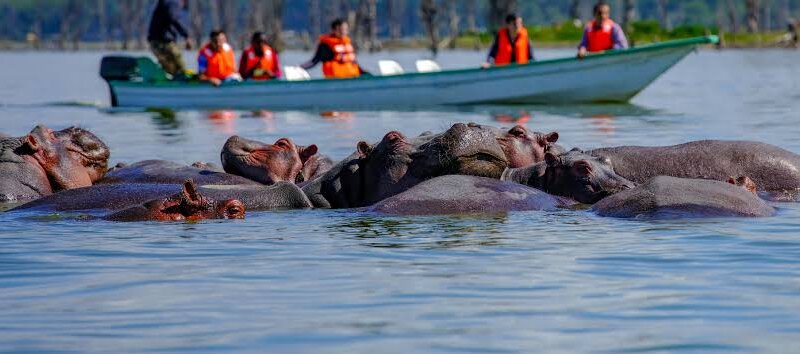
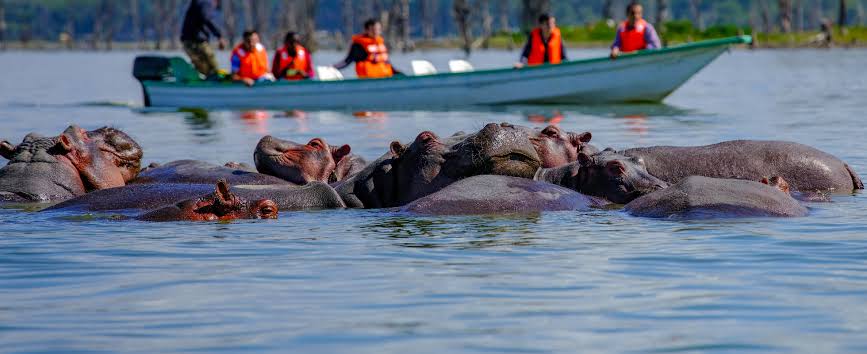
Boat excursions can add another dimension to the experience when conditions, regulations, and local operators permit them. From the water, you can observe birds around the shoreline while also seeing hippos and other wildlife in their natural environment. However, good wildlife etiquette remains essential. Boats should maintain appropriate distances and avoid unnecessary disturbance.
The surrounding area also supports woodland and grassland species, so birding does not need to stop at the lake edge. Nearby habitats can produce additional sightings and make the destination particularly useful for travelers who want variety.
Lake Naivasha works especially well within a Kenya safari itinerary that also includes the Maasai Mara, Lake Nakuru, or other Rift Valley destinations. Its location allows travelers to experience a different ecosystem without abandoning the broader safari route.
Lake Bogoria: A Special Destination for Flamingos and Rift Valley Birds
Lake Bogoria provides a dramatic birding environment in Kenya’s Rift Valley. The lake’s alkaline waters, surrounding escarpments, hot springs, and dry landscapes create a setting that differs sharply from the green highlands and open savannahs found elsewhere.
The destination is particularly well known for flamingos. When environmental conditions support large concentrations, the sight of flamingos gathering around the lake can create an unforgettable spectacle. Their presence also demonstrates how closely bird populations depend on changing water conditions and food resources.
However, focusing only on flamingos would overlook the broader birding potential of the area. The surrounding dry country supports species adapted to arid environments, while the lake provides habitat for water-associated birds. This combination allows visitors to experience several ecological zones within one trip.
Bird photography can be rewarding here because the landscape provides wide views and strong natural contrasts. Nevertheless, photographers should avoid approaching birds too closely in search of better images. A long lens and patience usually produce better results than disturbance.
Lake Bogoria works particularly well for travelers who want to explore less conventional birding destinations in Kenya. It also provides an opportunity to understand the connection between geology, water systems, climate, and wildlife. For bird lovers who enjoy unusual landscapes as much as species diversity, this Rift Valley destination deserves serious consideration.
Samburu National Reserve: Great Birding in Northern Kenya
Samburu National Reserve offers a completely different birding environment from the wetter areas of central and western Kenya. The reserve lies within a dry northern landscape characterized by open bushland, rocky terrain, doum palms, seasonal watercourses, and the Ewaso Ng’iro River. These conditions support bird species that thrive in semi-arid habitats.
The river plays a major role in the area’s wildlife activity. During a birding drive, the riverine vegetation can provide opportunities to observe birds that depend on water and trees for feeding and shelter. Meanwhile, the surrounding dry bush supports species adapted to heat and limited rainfall.
Samburu is particularly appealing to birders who want to explore northern Kenya’s specialized wildlife. Several species associated with dry-country habitats can make the destination feel very different from the Maasai Mara or Lake Nakuru. You can also combine birding with sightings of elephants, giraffes, zebras, antelopes, and other northern wildlife.
Early morning often provides an excellent opportunity for birdwatching because temperatures remain comfortable and bird activity can be high. Instead of rushing between wildlife sightings, take time to inspect trees, shrubs, riverbanks, and open ground.
Samburu also adds cultural and geographical depth to a Kenya safari. The landscape demonstrates the enormous ecological variety within the country, proving that excellent birding does not depend entirely on large lakes or dense forests.
Amboseli National Park: Birds Beneath the View of Kilimanjaro
Amboseli National Park is famous for its elephants and spectacular views toward Mount Kilimanjaro, but bird lovers can also find plenty to explore. The park contains a mixture of wetlands, seasonal lakes, open plains, scrubland, and woodland. This habitat diversity supports both waterbirds and terrestrial species.
The park’s wetlands deserve particular attention. Even when water levels change, wet areas can attract birds that feed on fish, insects, aquatic organisms, and vegetation. Flamingos, pelicans, herons, egrets, and other water-associated species may add color and movement to the landscape.
The dry plains provide a different birding experience. Raptors can patrol the open areas, while ground-feeding birds search for insects and seeds. Acacia woodland and scrub provide shelter for smaller species.
Amboseli also offers outstanding opportunities for photography because birds can appear against dramatic landscapes. When weather conditions provide clear views, the combination of wildlife, birds, open plains, and Kilimanjaro creates a uniquely Kenyan scene.
For bird lovers, the key to enjoying Amboseli lies in exploring different habitats rather than remaining focused on the park’s most famous animals. A knowledgeable guide can help identify bird calls, feeding behavior, nesting activity, and seasonal changes.
The park works especially well for travelers who want birdwatching alongside iconic African scenery. It provides a strong combination of landscape, wildlife, culture, and bird diversity.
Tsavo National Parks: Birding Across a Vast Wilderness
Tsavo East and Tsavo West National Parks cover an enormous wilderness area, creating excellent opportunities for travelers who want to experience Kenya’s drier ecosystems. Their landscapes include open plains, volcanic formations, river systems, woodland, scrub, and semi-arid habitats.
The size and ecological variety of Tsavo make it particularly interesting for birders who enjoy searching rather than simply collecting easy sightings. Birds may appear in open areas, along watercourses, around woodland edges, and near rocky landscapes. Raptors are also an important part of the ecosystem, and patient observers can spend time watching birds of prey search for food across the wilderness.
Tsavo West provides additional habitat variety because of its volcanic landscape, springs, and greener sections. Mzima Springs, in particular, creates a valuable freshwater environment where birds and other wildlife gather.
Tsavo East, meanwhile, offers broad landscapes and dry-country habitats. The red soils and open wilderness provide a distinctive setting for bird photography and wildlife observation.
Because Tsavo is so large, itinerary planning matters. Bird lovers should allow enough time rather than attempting to cover too much territory in a single day. Early starts, careful route selection, and flexible game drives can greatly improve the experience.
Tsavo is ideal for travelers who want a less hurried safari atmosphere and the chance to explore extensive wilderness. It also demonstrates why Kenya remains such a strong destination for ecological diversity.
Kakamega Forest: Kenya’s Finest Destination for Forest Birding
Kakamega Forest offers one of the most rewarding birding experiences in Kenya for travelers who want to move beyond savannah ecosystems. The forest provides a completely different environment, with dense vegetation, tall trees, tangled undergrowth, shaded trails, and a rich variety of habitats.
Forest birding requires a different approach from game-drive birding. You cannot always expect birds to appear in open views. Instead, patience becomes essential. Listen carefully for calls, scan branches and foliage slowly, and allow your eyes time to adjust to the forest environment.
Kakamega is particularly valuable because it supports species associated with western Kenya’s forest ecosystem. Colorful birds, forest specialists, insect-eaters, nectar feeders, and canopy species can make the experience highly rewarding for serious birdwatchers.
A local guide can significantly improve the experience because forest birds often remain hidden. Experienced guiding helps visitors identify calls, understand bird behavior, and locate movement within dense vegetation. A good guide also knows how to move quietly and responsibly through sensitive forest habitats.
Bird photographers should prepare for challenging light conditions. Dense forest can create shade, while birds may remain high in the canopy. Fast lenses, appropriate camera settings, patience, and ethical wildlife practices can make a significant difference.
For dedicated bird lovers, Kakamega should rank among the most important stops on a Kenya birding itinerary.
Arabuko Sokoke Forest: A Coastal Birding Treasure
Arabuko Sokoke Forest provides another exceptional forest birding experience, this time along Kenya’s coast. The forest forms an important habitat for specialized coastal wildlife and offers bird lovers an opportunity to explore an ecosystem very different from Kenya’s famous inland safari parks.
The forest’s diversity of vegetation creates different feeding and nesting opportunities. Birders can search for species in the canopy, mid-level vegetation, forest floor, and woodland edges. Because some forest birds remain difficult to see, listening becomes just as important as looking.
A quiet walk can produce a rewarding sequence of discoveries. One moment may bring the call of a hidden bird, while the next may reveal movement among the branches. This slower style of birding allows visitors to develop stronger observation skills and appreciate how forest ecosystems function.
Arabuko Sokoke also fits naturally into a coastal Kenya itinerary. Travelers can combine birding with visits to the Indian Ocean, coastal forests, historical sites, and other attractions. This makes the region particularly attractive to international travelers who want both wildlife and coastal experiences.
Conservation also matters greatly in forest birding. Visitors should remain on appropriate paths, avoid disturbing nesting sites, and follow local guidance. Protecting forest habitats protects the bird species that depend on them.
For serious birders seeking specialized coastal species and a deeper ecological experience, Arabuko Sokoke is one of Kenya’s most valuable destinations.
Why Kenya Is Excellent for Bird Migration
Kenya’s birding appeal becomes even stronger during periods when migratory birds enter the country. Migratory species can add another layer of variety to an already impressive resident bird population. Their arrival creates opportunities to see birds that may not occur in Kenya throughout the year.
Wetlands, grasslands, forests, lakes, and coastal habitats all play different roles in supporting migratory birds. Therefore, the best location depends on the species and habitat you want to explore. Water-rich destinations can become especially productive for birds that rely on lakes and wetlands, while grasslands and woodlands offer opportunities for other migrants.
Timing matters. Bird populations can change with rainfall, food availability, water levels, and migration patterns. As a result, bird lovers should avoid treating any single destination as a guaranteed checklist. Nature remains dynamic, and that unpredictability forms part of the excitement.
A flexible itinerary can improve your chances of finding a broader range of birds. Instead of spending the entire trip in one ecosystem, consider combining a savannah reserve with a lake, forest, or coastal habitat.
This approach also creates a richer safari experience. You can watch elephants in Amboseli, search for waterbirds around Rift Valley lakes, explore forest habitats in western Kenya, and finish near the coast. Few destinations provide such ecological variety within one country.
The Best Time for a Kenya Birding Safari
Kenya supports birdwatching throughout the year, but the ideal period depends on your priorities. Resident birds remain available across seasons, while migratory species can increase diversity during certain periods. Therefore, bird lovers should select travel dates according to both target species and broader safari goals.
Rainfall can strongly influence bird activity. When habitats receive adequate water, vegetation can become more productive and insects may increase, creating feeding opportunities. Breeding activity can also make certain periods particularly interesting because birds become more active around nesting and feeding areas.
The drier seasons can also provide excellent birding. Reduced vegetation in some areas can make certain birds easier to spot, while animals often gather around remaining water sources. This concentration can create productive observation points.
For first-time birdwatchers, combining different habitats may matter more than choosing one perfect month. A well-planned itinerary that includes savannah, wetland, woodland, and forest environments can provide greater diversity than simply visiting one destination during an ideal seasonal window.
Most importantly, allow enough time. Birding rewards patience. A rushed safari may produce famous wildlife sightings but miss small, colorful, or well-hidden species. A slower itinerary gives you more opportunities to listen, observe, photograph, and learn.
How to Plan the Best Kenya Safari for Bird Lovers
Planning a bird-focused Kenya safari requires more attention to detail than a standard wildlife trip. Start by identifying your interests. Do you want flamingos and waterbirds? Are you interested in raptors? Do you prefer forest specialists? Or do you want to combine general wildlife with casual birdwatching?
Once you know your priorities, choose destinations that match them. Lake Nakuru and Lake Naivasha work well for water-associated birds, while Kakamega and Arabuko Sokoke provide forest experiences. The Maasai Mara, Samburu, Amboseli, and Tsavo add excellent savannah and dry-country birding.
Your guide also matters. A knowledgeable birding guide can transform an ordinary game drive into a detailed natural history experience. Guides who understand bird calls, habitats, behavior, seasonal movements, and identification can help you notice species that you might otherwise miss.
Bring suitable equipment as well. Binoculars remain the most important item for most travelers. A camera with a long lens can improve photography, while a field guide or birding application can help with identification. Comfortable clothing, sun protection, drinking water, and sturdy footwear also support longer observation sessions.
Finally, remain flexible. Wildlife does not follow a schedule, and birds can disappear into vegetation within seconds. Give yourself enough time, stay patient, and enjoy unexpected sightings.
Bird Photography on a Kenya Safari
Kenya offers outstanding opportunities for bird photography, but successful images require patience and preparation. Birds are often smaller and faster than large mammals, which means photographers need different techniques.
A telephoto lens provides useful reach without requiring you to approach birds too closely. This helps protect wildlife while allowing photographers to capture detailed images. Fast shutter speeds can freeze wings in flight, while careful focusing becomes essential when birds move through branches and foliage.
Light also affects the quality of your photographs. Early morning and late afternoon often provide softer natural light, while midday conditions can create strong shadows and harsh highlights. However, every part of the day can produce interesting opportunities, especially when birds display unusual behavior.
Composition matters just as much as technical settings. Look for clean backgrounds, natural perches, reflections, and environmental context. A photograph that shows a bird within its habitat can tell a stronger story than a tight portrait alone.
Most importantly, never chase or pressure birds for a photograph. Avoid disturbing nests, breeding colonies, feeding areas, or resting birds. Ethical photography protects the wildlife that makes Kenya such an exceptional destination.
A good safari guide can also help photographers position themselves responsibly and recognize opportunities before they happen. With patience, respect, and preparation, Kenya can provide an impressive portfolio of bird images.
Why a Multi-Destination Kenya Birding Safari Works Best
Kenya’s greatest advantage for bird lovers lies in its ecological variety. One destination cannot represent the country’s entire birdlife. A multi-destination itinerary allows travelers to experience several habitats and significantly increases the range of species they may encounter.
For example, a safari could begin around the Rift Valley lakes, continue to the Maasai Mara, move toward western forest habitats, and finish along the coast. Another route could combine Amboseli, Tsavo, and coastal forests. Each journey creates a different birding story.
This approach also reduces the risk of depending on one habitat. If water levels change at a lake, you still have forests, grasslands, woodlands, and other ecosystems to explore. If one bird species remains hidden, another habitat may provide a completely different discovery.
A multi-destination safari also benefits travelers who want more than birdwatching. Kenya’s landscapes change dramatically from one region to another. You can experience mountains, lakes, forests, savannahs, drylands, and the Indian Ocean within the same country.
However, avoid creating an itinerary that moves too quickly. Too many destinations can reduce the quality of the experience because long travel days leave less time for birding. A carefully balanced route should provide enough time at each destination to explore properly.
The strongest Kenya birding safaris combine variety with patience. That balance allows travelers to experience the country’s wildlife without turning the journey into a race between locations.
Conclusion: Choosing the Right Kenya Birding Destination
Kenya offers an extraordinary range of birding experiences, and the best destination depends on the habitat and species you want to explore. The Maasai Mara provides excellent savannah birding alongside iconic wildlife, while Lake Nakuru and Lake Naivasha offer strong opportunities around freshwater and wetland environments. Lake Bogoria adds dramatic Rift Valley scenery and opportunities for flamingo viewing, while Samburu introduces travelers to northern Kenya’s dry-country birdlife.
Amboseli combines wetlands, plains, birds, elephants, and spectacular mountain scenery. Tsavo offers enormous wilderness and diverse dry habitats. Meanwhile, Kakamega Forest and Arabuko Sokoke Forest provide more specialized forest birding for travelers who want to search for species that rarely appear in open savannah.
For the strongest overall experience, consider combining several habitats rather than relying on one destination. Give yourself enough time, travel with a knowledgeable guide, carry good binoculars, and remain patient. Most importantly, approach every birding experience with respect for wildlife and the ecosystems that support it.
A well designed Kenya birding safari can become much more than a checklist of species. It can teach you how forests, wetlands, grasslands, rivers, and drylands support life. It can introduce you to Kenya’s remarkable ecological diversity while giving you unforgettable encounters with both birds and larger wildlife.
For travelers seeking dependable planning, knowledgeable local expertise, and carefully designed African wildlife experiences, Giant Holiday Safaris can provide the trusted foundation for turning a Kenya birding adventure into a rewarding and well-organized safari.