Are Kenya safari roads good?
August 28, 2026
What are the best self-drive routes in Kenya?
August 28, 2026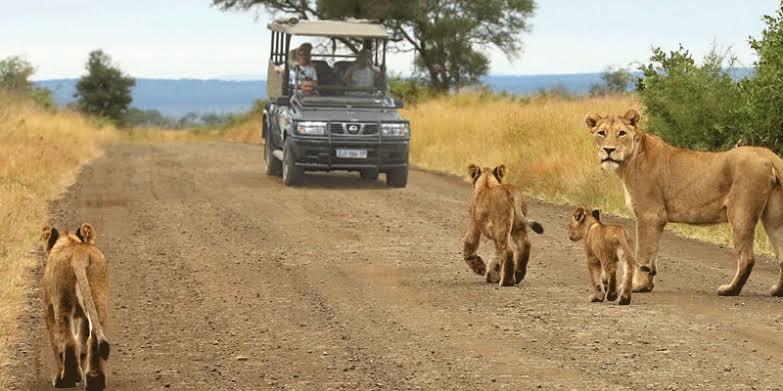
Can You Rent a Safari Vehicle in Kenya?
Yes, you can rent a safari vehicle in Kenya, and this option gives travelers greater freedom to design their own wildlife adventure. Kenya has an extensive tourism network, well-known national parks, private conservancies, wildlife reserves, and long-distance roads that connect many of the country’s major safari destinations. Because of this, travelers can choose between several vehicle rental arrangements depending on their experience, budget, comfort level, and preferred safari style.
However, renting a safari vehicle in Kenya differs from renting an ordinary car for a city holiday. A proper safari vehicle needs to handle rough tracks, uneven ground, steep sections, mud, dust, and long journeys. More importantly, travelers need to understand park regulations, conservation rules, driving conditions, wildlife behavior, and insurance requirements before choosing a vehicle.
For international visitors, a self-drive safari can provide an exciting sense of independence. You decide when to leave camp, how long to spend at a wildlife sighting, and which routes to explore within permitted areas. On the other hand, hiring a vehicle with an experienced driver-guide can make the journey easier and often gives travelers a deeper understanding of Kenya’s wildlife and landscapes.
Therefore, the best rental option depends on what you want from your safari. Whether you plan to explore the Maasai Mara, Amboseli, Tsavo, Samburu, Lake Nakuru, or several destinations on one itinerary, choosing the right vehicle can significantly improve your experience.
Combined Uganda, Kenya, Rwanda and Tanzania Safaris
17 days Kenya Tanzania and Uganda safari
19 Days Uganda Kenya and Tanzania Safari
16 Days Kenya Tanzania and Uganda Safari
14 Days Kenya Uganda and Tanzania Safari
14 Days Kenya Uganda and Rwanda Safari
12 Day Gorilla Trekking and Tanzania Safari
What Does Renting a Safari Vehicle in Kenya Mean?
Renting a safari vehicle in Kenya usually means hiring a specially equipped four-wheel-drive vehicle for wildlife viewing and travel through safari areas. Unlike a standard rental car, a safari vehicle often comes with features designed for long-distance travel and game viewing. These features may include high ground clearance, four-wheel drive, comfortable seating, large windows, a pop-up roof, spare tires, and additional storage space.
Travelers can generally choose between a self-drive arrangement and a vehicle that comes with a professional driver-guide. Self-drive gives you control over the journey, while a driver-guide takes care of navigation, road conditions, wildlife viewing, and much of the practical work involved in a safari.
The type of vehicle also matters. Some travelers prefer rugged 4×4 Land Cruiser safari vehicles because they perform well on difficult tracks and offer excellent visibility. Others may choose a safari van, particularly for family trips or budget-conscious journeys. A van can work well on established safari routes, although a 4×4 vehicle can provide greater flexibility in challenging terrain.
Before booking, look beyond the daily rental price. Check what the rental package includes, such as insurance, mileage, camping equipment, driver fees, recovery support, park-related requirements, and additional equipment. A cheap rental can become expensive if important services remain outside the quoted price.
Can Tourists Self-Drive a Safari Vehicle in Kenya?
Tourists can self-drive in Kenya, but they need to approach the experience with preparation and respect for local driving conditions. A self-drive safari can become an unforgettable adventure because it allows travelers to control their schedule and explore at their own pace. Nevertheless, it requires more responsibility than joining a guided safari.
You need appropriate driving documents, a suitable vehicle, and a clear understanding of the routes you intend to use. International visitors should also confirm the driving-document requirements that apply to their nationality before starting their journey. Rental companies can provide guidance on documentation, but travelers should verify requirements before arrival.
The biggest challenge involves the roads rather than simply driving the vehicle. Kenya has excellent paved highways between many towns, but safari tracks inside parks and conservancies can become rough, dusty, muddy, or deeply rutted. Weather can change road conditions quickly, especially during periods of heavy rain.
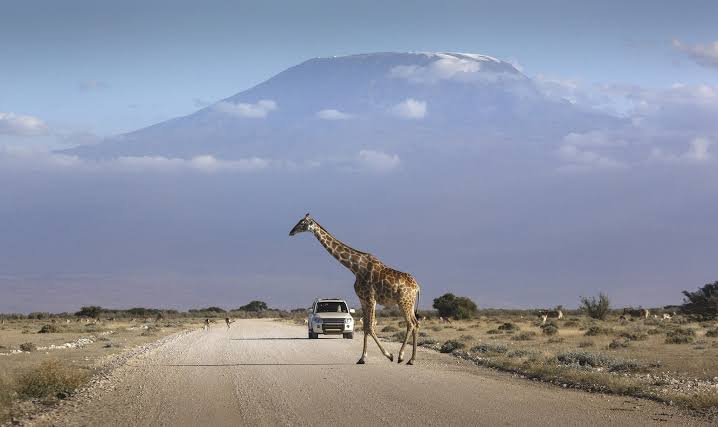
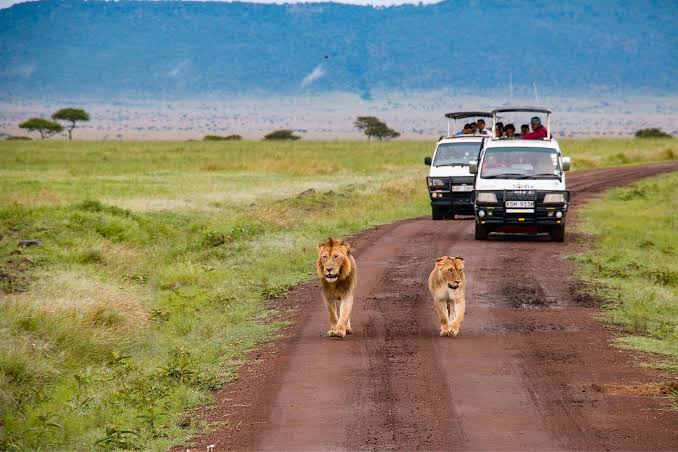
Wildlife also creates a unique driving environment. Animals can appear suddenly beside or across a track. Drivers must maintain safe distances and avoid disturbing wildlife. Never chase an animal to obtain a photograph, block its movement, or drive aggressively around a sighting.
For experienced drivers who enjoy independent travel, self-drive can work extremely well. However, first-time safari travelers should carefully consider hiring a professional driver-guide, particularly when visiting large parks or unfamiliar areas.
Which Safari Vehicles Can You Rent in Kenya?
Kenya offers several vehicle choices for safari travel, although availability depends on the rental company and destination. The most common choices include safari Land Cruisers, 4×4 vehicles, and safari vans. Each option suits a different type of traveler.
A safari Land Cruiser remains one of the strongest choices for travelers who want comfort, durability, and excellent off-road ability. Many safari-configured Land Cruisers include pop-up roofs that allow passengers to stand safely while viewing wildlife. They also provide good ground clearance and strong performance on challenging tracks.
Safari vans can provide a more affordable option for groups and families. They usually offer good passenger capacity and can work particularly well for standard safari circuits. However, travelers should understand that a van may have less off-road capability than a well-equipped 4×4 Land Cruiser.
Some rental companies also provide ordinary 4×4 vehicles for travelers who want to combine safari activities with road trips around Kenya. This can work well for visitors planning to travel through cities, highlands, coastal areas, and wildlife destinations during the same holiday.
When comparing vehicles, consider more than appearance. Ask about the vehicle’s mechanical condition, tire quality, spare tires, recovery equipment, ground clearance, fuel capacity, seating arrangement, luggage space, and communication equipment. A reliable vehicle matters far more than a vehicle that simply looks impressive in photographs.
Is a 4×4 Necessary for a Kenya Safari?
A 4×4 is not necessary for every Kenya safari, but it can provide a major advantage when traveling through wildlife areas. Kenya’s major safari destinations contain different road conditions, so the need for four-wheel drive depends on your route, season, accommodation, and planned activities.
For example, travelers using well-maintained roads and staying near major tourism centers may manage much of their journey without constant off-road driving. However, once you enter many wildlife areas, conditions can become more demanding. Loose soil, deep sand, mud, stones, ruts, and uneven tracks can challenge ordinary vehicles.
A 4×4 also provides greater flexibility. If your itinerary includes several parks with different terrain, choosing a capable vehicle reduces the risk of getting stuck or damaging the vehicle. This becomes especially important during rainy periods when some tracks can deteriorate rapidly.
However, four-wheel drive alone does not guarantee safety. A good safari vehicle needs suitable tires, sufficient ground clearance, a reliable suspension system, recovery equipment, and proper maintenance. The driver also needs to understand how to use the vehicle correctly.
For travelers who plan to explore several remote destinations, a properly equipped 4×4 usually represents a sensible investment. For a short safari on established routes, however, a safari van may provide sufficient comfort and capability.
Can You Rent a Safari Vehicle With a Driver Guide?
Yes, hiring a safari vehicle with a professional driver guide is one of the most popular ways to explore Kenya. This arrangement removes much of the stress associated with navigation, difficult roads, vehicle handling, and wildlife viewing.
A good driver-guide does much more than operate the vehicle. The guide understands animal behavior, tracks, habitats, seasonal conditions, park regulations, and common wildlife viewing areas. This knowledge can make a major difference when you are searching for animals in a large ecosystem.
For first time safari travelers, a driver guide can also help create a smoother itinerary. Instead of spending your holiday studying every road junction or worrying about whether a track remains passable, you can focus on photography, scenery, wildlife, and relaxation.
Driver guided safaris also work well for families, couples, older travelers, and groups that want a comfortable experience. You can discuss your interests before the journey and build the safari around wildlife photography, birdwatching, cultural experiences, landscapes, or specific animals.
When selecting a rental company with a driver-guide, check the guide’s experience, communication skills, safari knowledge, and understanding of responsible tourism. A knowledgeable guide should respect wildlife and local communities while helping travelers enjoy Kenya without creating unnecessary environmental pressure.
How Much Does It Cost to Rent a Safari Vehicle in Kenya?
The cost of renting a safari vehicle in Kenya varies considerably. There is no single price that applies to every traveler because several factors influence the total cost. These include the vehicle type, rental period, season, destination, driver arrangement, mileage, equipment, insurance, and rental company’s terms.
A basic vehicle rental may appear affordable when viewed as a daily rate. However, travelers need to examine the complete quotation before making a decision. Some companies may charge separately for additional drivers, camping equipment, extra mileage, vehicle delivery, recovery services, or other requirements.
Hiring a vehicle with a driver-guide usually costs more than taking a vehicle on a self-drive basis. However, the additional expense can provide considerable value because the guide contributes navigation skills, wildlife knowledge, road experience, and local expertise.
Season also influences safari costs. Peak travel periods can increase demand for safari vehicles and accommodation, while lower-demand periods may offer better value. Nevertheless, travelers should never select a vehicle purely because it has the lowest price.
The best approach involves comparing the total package rather than the headline rental rate. Ask for a detailed quotation showing what the price covers and what remains your responsibility. This approach helps prevent unexpected expenses during the safari and allows you to compare rental companies fairly.
Can You Rent a Safari Vehicle for the Maasai Mara?
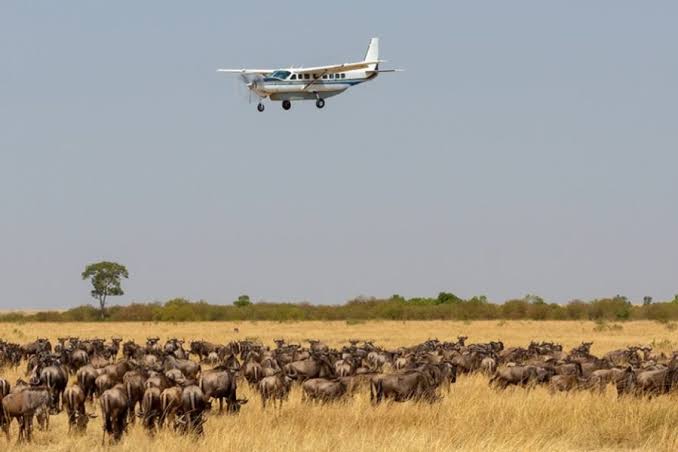
The Maasai Mara provides one of Kenya’s most popular environments for safari vehicle rentals. Travelers can use safari vehicles to explore the reserve and surrounding conservancies, although access rules and driving conditions vary depending on the specific area.
A suitable safari vehicle is particularly valuable in the Mara because wildlife viewing often takes place away from paved roads. The terrain can become challenging, especially after rain. Deep tracks, muddy sections, and uneven ground make a capable vehicle important for travelers who want to explore beyond the main routes.
The Maasai Mara also rewards patience. Wildlife sightings do not follow a schedule. A professional guide can help travelers understand where animals may move based on habitat, water, prey, weather, and other natural conditions. Self-drive travelers can still enjoy excellent sightings, but they need to remain responsible and patient.
If you rent a vehicle specifically for the Maasai Mara, confirm whether the vehicle is permitted in your intended areas. Private conservancies can have their own access rules, and travelers should respect each area’s regulations.
Most importantly, responsible driving should remain a priority. Avoid overcrowding wildlife, driving too close to animals, or leaving designated tracks where prohibited. A successful safari protects the experience for future travelers as well as the wildlife that makes the Mara special.
Can You Rent a Safari Vehicle for Amboseli, Tsavo, and Other Parks?
Safari vehicle rentals can support journeys across many of Kenya’s major wildlife destinations. Amboseli National Park, Tsavo East, Tsavo West, Samburu, Lake Nakuru, and other conservation areas each offer different landscapes and road conditions.
Amboseli is famous for its open plains and dramatic views of Mount Kilimanjaro. A well equipped safari vehicle allows travelers to move between different wildlife areas while enjoying excellent visibility across the landscape. During dry conditions, dust can become an important consideration, while wet weather can affect some tracks.
Tsavo presents a different experience because of its enormous size and varied terrain. Travelers covering longer distances should prioritize reliability, comfort, fuel planning, and strong vehicle performance. A poorly maintained vehicle can turn a long safari journey into a serious inconvenience.
Samburu also rewards travelers who choose an appropriate vehicle because the landscape can include rocky and uneven terrain. Meanwhile, Lake Nakuru offers a different combination of wildlife, woodland, open areas, and scenic viewpoints.
If your itinerary includes several parks, choose the vehicle based on the most demanding section of your journey rather than the easiest one. This strategy gives you a greater safety margin and reduces the chance of encountering vehicle limitations when conditions become difficult.
What Should You Check Before Renting a Safari Vehicle?
Before signing a rental agreement, inspect the vehicle carefully. A safari vehicle needs to perform reliably in environments where mechanical assistance may not be immediately available. Therefore, travelers should treat the inspection as an important part of safari planning.
Start with the tires. Check the condition of all tires, including the spare tires. Ask whether the vehicle carries the correct equipment for changing a tire and whether recovery equipment is available.
Next, inspect the vehicle’s general condition. Check the lights, brakes, suspension, seat belts, windows, doors, roof mechanism, air conditioning, battery, and communication equipment. Also confirm that the vehicle has appropriate tools and basic emergency equipment.
Ask about servicing and breakdown support. A reliable rental company should have a clear process for dealing with mechanical problems. Understand who you should contact if the vehicle breaks down and whether recovery assistance covers the areas on your itinerary.
You should also examine the rental agreement carefully. Pay attention to insurance, deposits, mileage restrictions, fuel policies, permitted areas, damage responsibilities, additional drivers, and late-return charges.
Finally, take photographs of the vehicle before departure. Document existing scratches, dents, damaged equipment, and interior issues. This simple step can help prevent disagreements when you return the vehicle.
Is Self-Drive Safari Safe in Kenya?
Self-drive safaris can be safe when travelers prepare properly, drive responsibly, and understand their limitations. However, safety requires more than knowing how to operate a 4×4. Safari environments present challenges that differ greatly from normal urban driving.
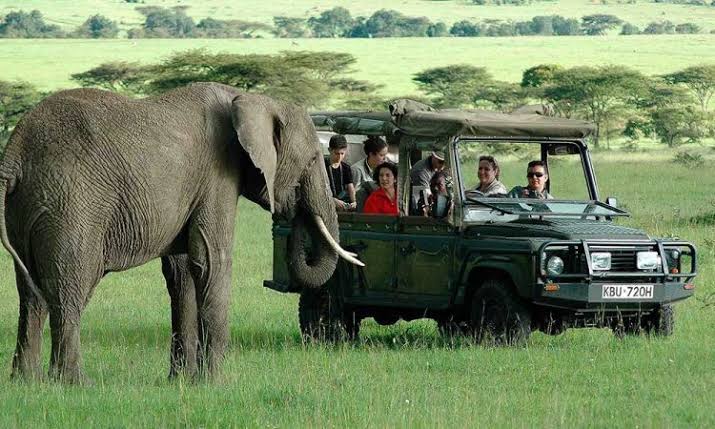
Wildlife remains one of the biggest differences. Animals have unpredictable movements, and drivers must maintain appropriate distances. Never assume that an animal will move away simply because a vehicle approaches. Elephants, buffalo, hippos, lions, and other wildlife can react quickly when they feel threatened.
Road conditions also require caution. Drivers should reduce speed on rough tracks, avoid sudden maneuvers, and understand how weather affects terrain. During heavy rain, some routes may become difficult or temporarily impassable.
Navigation requires equal attention. Mobile network coverage can vary considerably outside urban areas. Travelers should therefore plan routes in advance and carry appropriate navigation resources.
Another important factor involves fuel. Long distances between fuel stations make proper fuel planning essential. Do not wait until the fuel gauge approaches empty before thinking about your next refueling point.
If you lack off-road driving experience, hiring a professional driver-guide can significantly reduce risk. The goal of a safari is not simply to reach every possible location. The goal is to enjoy Kenya’s wildlife safely while respecting the environment and local rules.
What Documents Do You Need to Rent a Safari Vehicle?
Travelers need appropriate identification and driving documentation when renting vehicles in Kenya. The exact requirements can vary according to nationality, rental company, vehicle type, and rental arrangement.
Your passport will normally serve as an important identification document for international travel. You also need a valid driving license that meets the requirements applicable to your visit. International visitors should confirm whether they need an International Driving Permit or additional documentation before collecting the vehicle.
The rental company may also require a payment card for the security deposit. Some companies have specific requirements concerning the driver’s age, length of driving experience, and additional drivers.
Do not wait until you arrive in Kenya to discover that a required document is missing. Confirm all requirements with the rental provider before your trip and keep copies of important documents securely.
Insurance deserves special attention. Read the policy carefully and understand what it covers. Safari travel can expose vehicles to conditions that ordinary urban driving does not, so you need to understand exclusions relating to off-road driving, tires, underbody damage, windscreen damage, recovery, and other potential issues.
Good preparation makes vehicle collection faster and gives you greater confidence before starting your safari.
Should You Rent a Safari Vehicle or Book a Guided Safari?
The choice between renting a vehicle and booking a guided safari depends on your travel style. Both approaches can provide an excellent Kenya safari, but they offer different experiences.
Self-drive gives you independence. You control the pace, route, stops, and daily schedule within the applicable park rules. It can appeal strongly to experienced travelers who enjoy road trips and want greater flexibility.
A guided safari provides convenience and local expertise. You do not need to concentrate on navigation or difficult terrain, and your guide can help identify animals, explain ecosystems, and select productive wildlife-viewing areas.
Cost also matters. Self-drive may appear cheaper when several travelers share the rental cost, but you need to include fuel, park fees, accommodation, insurance, equipment, and other expenses. A guided package may provide better overall value when it combines several services.
For first-time visitors to Kenya, a guided safari often provides the easiest introduction. Experienced travelers may prefer self-drive for a more independent adventure.
There is also a middle ground. You can combine independent road travel with guided wildlife activities. This approach allows you to experience Kenya’s wider landscapes independently while relying on professional expertise where it matters most.
How Can You Make a Safari Vehicle Rental More Affordable?
Travelers can reduce safari vehicle costs without compromising safety or comfort by planning carefully. Start by selecting the vehicle based on the actual needs of your itinerary. Renting the largest or most luxurious vehicle does not always provide the best value.
Traveling as a small group can make a larger vehicle economical because passengers can share the rental cost. Similarly, longer rental periods may provide better daily rates depending on the company.
Travel timing can also affect the overall budget. Periods of lower demand may provide better rates for both vehicles and accommodation. However, travelers should still consider weather and wildlife conditions before choosing dates purely for price.
Another useful strategy involves planning an efficient route. Unnecessary backtracking increases fuel costs and consumes valuable safari time. Build a logical route that connects destinations efficiently.
Always compare complete quotations. A rental with a slightly higher daily rate may offer better value if it includes useful equipment, insurance benefits, unlimited mileage, roadside assistance, or other services.
Most importantly, never save money by choosing an unsafe or poorly maintained vehicle. A reliable safari vehicle protects both your holiday and your budget by reducing the risk of breakdowns, delays, and unexpected repair-related expenses.
What Makes a Good Safari Vehicle Rental Company in Kenya?
A trustworthy safari vehicle rental company should demonstrate professionalism before you even collect the vehicle. Clear communication, transparent pricing, proper documentation, reliable vehicles, and responsive customer support all indicate a serious operator.
Start by examining the company’s rental terms. The agreement should clearly explain what you receive, what you must pay, and what happens if the vehicle develops a mechanical problem. Avoid arrangements where important costs remain unclear.
Vehicle maintenance also matters. A professional company should maintain its fleet regularly rather than waiting for problems to appear. Ask about servicing, tire replacement, recovery equipment, and emergency support.
Customer service provides another important clue. A reliable provider should answer questions directly and provide useful information about vehicle capabilities, routes, insurance, and rental conditions.
Experience with safari travel adds further value. A company that understands Kenya’s wildlife destinations can help you choose a vehicle appropriate for your itinerary rather than simply handing over the keys.
Finally, responsible tourism should form part of the company’s approach. Good safari operators respect conservation rules, wildlife welfare, local communities, and environmental protection. Travelers should support businesses that contribute positively to Kenya’s tourism economy rather than treating wildlife destinations simply as driving playgrounds.
Final Thoughts on Renting a Safari Vehicle in Kenya
Renting a safari vehicle in Kenya can give travelers an exciting combination of freedom, adventure, and flexibility. From the open plains of the Maasai Mara to the wildlife rich landscapes of Amboseli, Tsavo, Samburu, and Lake Nakuru, the right vehicle can help you experience Kenya at your own pace.
However, successful safari vehicle rental requires careful planning. Choose a vehicle based on your route, terrain, group size, experience, and comfort needs. Inspect the vehicle before departure, understand the insurance terms, prepare your documents, plan fuel stops, and respect every park and conservation area’s regulations.
Self-drive can suit experienced travelers who want independence, while a vehicle with a professional driver-guide can provide greater convenience and local expertise. Neither option is automatically better for everyone. The best choice depends on the type of African adventure you want to create.
For international travelers, Kenya offers far more than wildlife viewing. A well planned safari can connect you with remarkable landscapes, local cultures, conservation efforts, photography opportunities, and unforgettable encounters with nature. Choosing the right vehicle is therefore part of building the entire experience, not simply arranging transportation.
For travelers who want dependable planning, expert local knowledge, carefully designed itineraries, and a trusted partner for exploring Kenya and the wider African continent, Giant Holiday Safaris provides the professional tourism expertise needed to turn a safari idea into a well-organized African adventure.