What Is the Dry Season in Kenya?
July 31, 2026
Which Uganda park is best for giraffes
July 31, 2026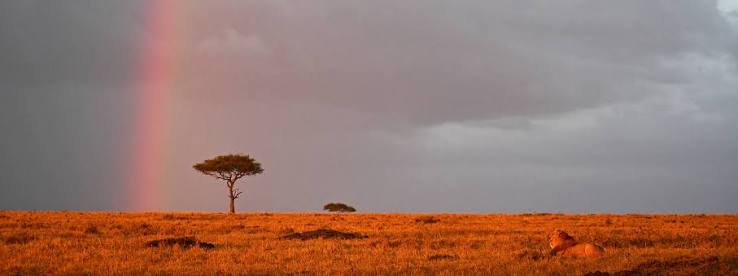
What Are the Best Months for Wildlife Viewing in Kenya?
Kenya stands among the world’s most remarkable wildlife destinations, offering travelers an unforgettable connection with nature, diverse landscapes, and some of Africa’s most famous animals. From the endless grasslands of the Maasai Mara to the rugged wilderness of Amboseli and the coastal forests near the Indian Ocean, Kenya provides exceptional safari experiences throughout the year. However, understanding the best months for wildlife viewing in Kenya helps travelers choose the right season based on animal activity, weather conditions, photography opportunities, and personal safari goals.
The timing of a Kenya safari can greatly influence the quality of the wildlife experience. While animals remain present throughout the year, different months create unique opportunities. Some periods offer excellent game visibility because dry conditions bring animals closer to water sources. Other months transform the landscapes into green, beautiful environments filled with newborn animals and active birdlife. Therefore, choosing the right travel period requires knowledge of Kenya’s seasons, wildlife patterns, and regional differences.
A successful safari depends on more than simply arriving in Kenya. It requires careful planning, expert guidance, and an understanding of how nature changes throughout the year. Experienced safari planners study animal movements, rainfall patterns, and park conditions to create journeys that maximize wildlife encounters. Kenya’s protected areas continue to attract visitors from around the world because they provide reliable opportunities to witness lions, elephants, giraffes, rhinos, leopards, cheetahs, buffaloes, and countless other species in their natural habitats.
The best months for wildlife viewing in Kenya generally fall between June and October, especially for travelers hoping to experience excellent game viewing and the famous Great Migration in the Maasai Mara. However, the months of January to March also provide outstanding safari conditions, especially for visitors interested in young animals, photography, and fewer crowds. Each season has something special to offer, making Kenya a year-round safari destination.
Combined Uganda, Kenya, Rwanda and Tanzania Safaris
17 days Kenya Tanzania and Uganda safari
19 Days Uganda Kenya and Tanzania Safari
16 Days Kenya Tanzania and Uganda Safari
14 Days Kenya Uganda and Tanzania Safari
14 Days Kenya Uganda and Rwanda Safari
12 Day Gorilla Trekking and Tanzania Safari
June to October: The Best Overall Months for Kenya Wildlife Viewing
The period between June and October represents the peak season for wildlife viewing in Kenya because the dry weather creates some of the most predictable safari conditions. During these months, rainfall becomes limited in many regions, causing vegetation to become thinner and making it easier for visitors to spot animals across open landscapes. Additionally, many animals gather around permanent rivers and waterholes, creating excellent opportunities for close wildlife encounters.
June marks the beginning of the dry season and offers a wonderful balance between good wildlife viewing and comfortable travel conditions. The landscapes still maintain some greenery after the previous rains, while animals become increasingly visible as water sources decrease. This month works particularly well for travelers who prefer fewer crowds compared to the busiest months of July and August.
July, August, and September attract many international visitors because they coincide with one of nature’s greatest spectacles, the Great Migration. Millions of wildebeest, accompanied by zebras and other herbivores, move from Tanzania’s Serengeti ecosystem into Kenya’s Maasai Mara in search of fresh grazing areas. During this period, travelers may witness dramatic river crossings, powerful predator interactions, and large herds moving across the plains.
October continues to provide excellent wildlife viewing opportunities. Although short rains may begin toward the end of the month, many parks still offer rewarding game drives. The reduced visitor numbers compared with the peak migration months create a more peaceful safari atmosphere. Furthermore, many predators remain active because prey animals continue moving through the grasslands.
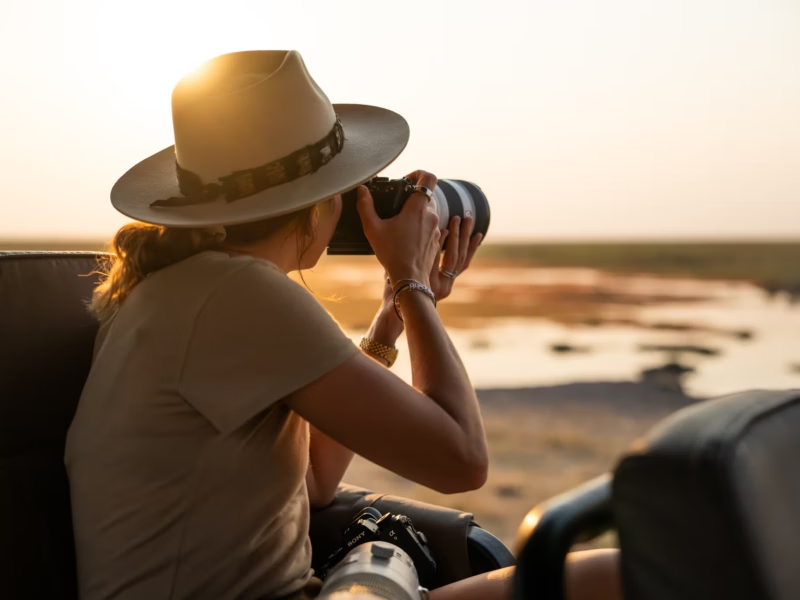
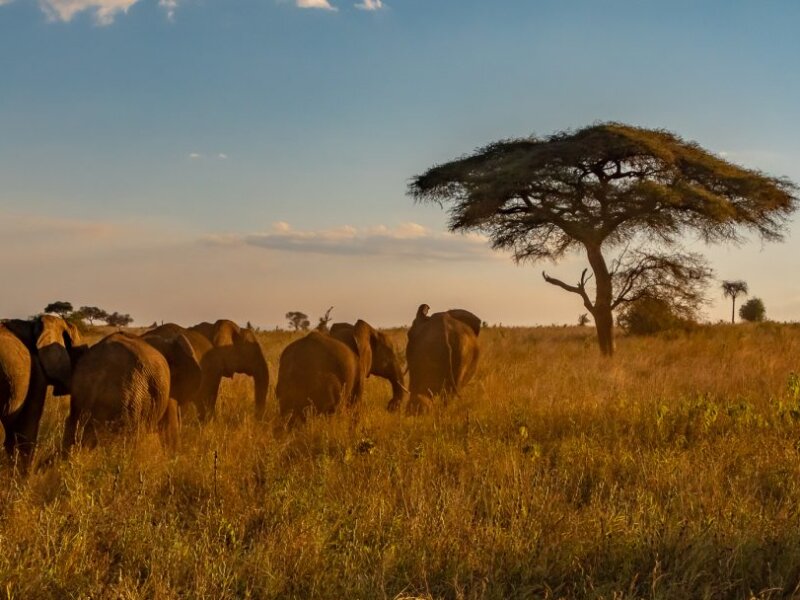
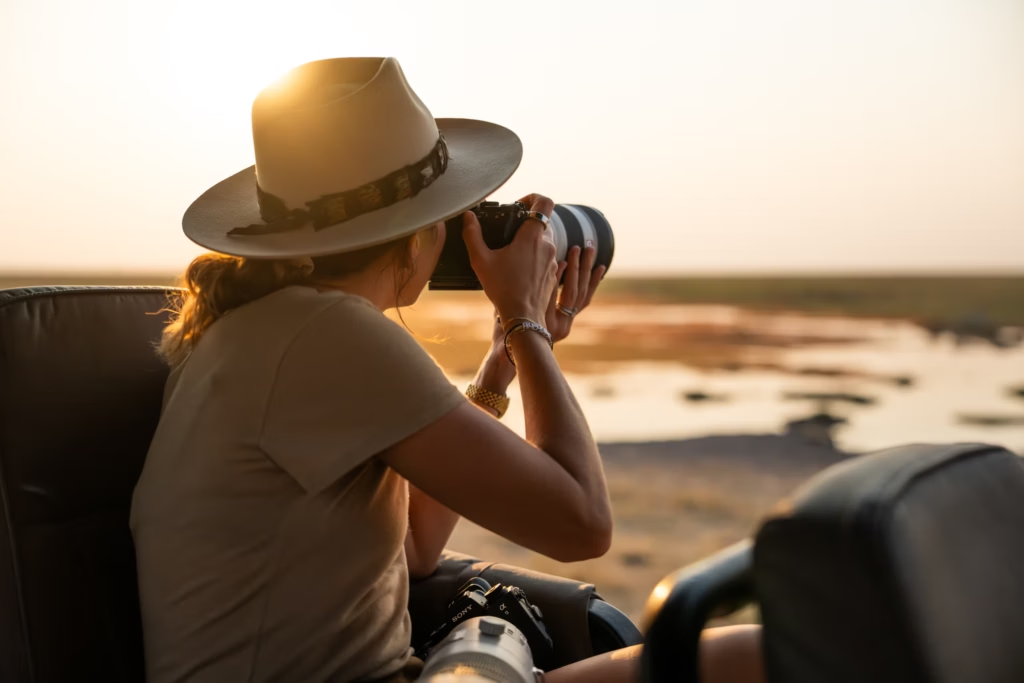
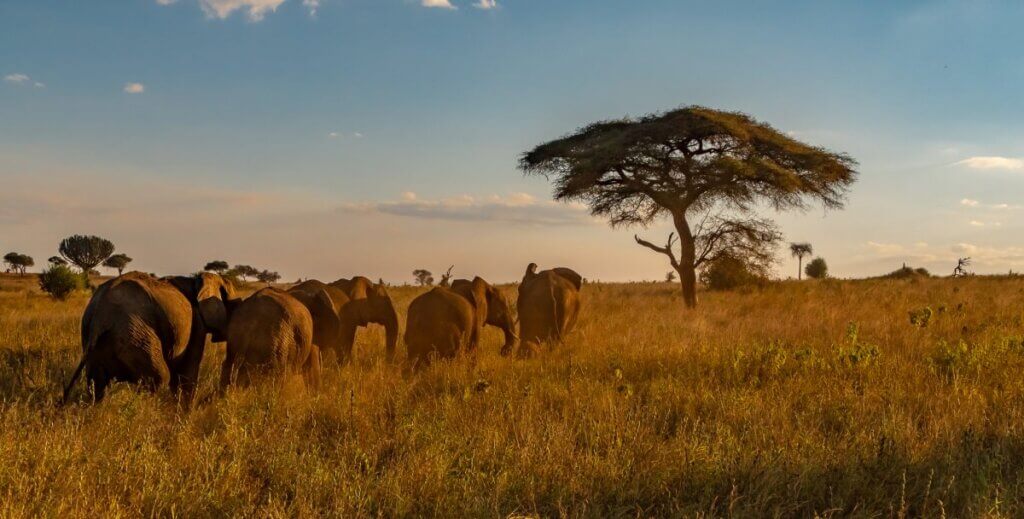
The dry season also creates excellent photography conditions. Clear skies, golden landscapes, and concentrated wildlife activity allow photographers and nature enthusiasts to capture memorable moments. Elephants gathering around water sources, lions resting under trees, and herds moving across open plains become easier to observe during this time.
For first time safari visitors, June to October remains one of the safest choices because the combination of weather, wildlife visibility, and accessibility creates a highly rewarding experience. However, travelers should book early, especially for July and August, because popular camps and lodges often fill quickly due to high demand.
January to March: A Hidden Gem Season for Wildlife Enthusiasts
Although many travelers associate Kenya safaris with the dry season, the months between January and March provide exceptional wildlife viewing opportunities. This period offers a quieter safari experience with excellent animal sightings, beautiful landscapes, and comfortable weather conditions. Many experienced travelers choose these months because they combine strong wildlife activity with fewer tourists compared to the peak season.
January and February are part of the short dry period that follows the November and December rains. During this time, many areas become green and attractive, creating stunning scenery for photography. The fresh vegetation supports healthy populations of herbivores, which in turn attract predators such as lions, cheetahs, and leopards.
One of the greatest advantages of visiting Kenya during this period is the opportunity to see newborn animals. Many herbivore species give birth around this time, especially in the southern Maasai Mara ecosystem and surrounding conservation areas. Young calves, foals, and other baby animals create unforgettable safari moments while also attracting predators looking for easier hunting opportunities.
March continues to provide good wildlife viewing before the main rainy season begins. The weather remains warm, and most parks remain accessible. Visitors can enjoy longer game drives, excellent bird watching, and rewarding encounters with Kenya’s famous wildlife species.
This season also benefits travelers who prefer a more relaxed safari environment. Since visitor numbers are generally lower than during July and August, guests often enjoy quieter game drives and more personalized experiences. Lodges and safari camps may also offer greater availability, making this period attractive for travelers seeking flexibility.
For photographers, January to March creates unique opportunities because the green landscapes provide beautiful backgrounds. The combination of active wildlife, dramatic skies, and young animals creates a different atmosphere compared to the dry season.
Therefore, travelers should not overlook the first months of the year. Kenya’s wildlife remains active, and the experience often feels more intimate because fewer vehicles gather around sightings. For visitors seeking nature, photography, and peaceful exploration, January to March offers a remarkable safari season.
April and May: Experiencing Kenya’s Green Season
April and May represent Kenya’s long rainy season, often called the green season. Although these months receive more rainfall, they provide unique advantages for travelers who appreciate dramatic landscapes, fewer crowds, and authentic wildlife experiences. Rain does not stop safari adventures because many parks remain open, and skilled safari operators continue organizing excellent game drives.
During the green season, Kenya’s landscapes transform completely. Dry grasslands become covered with fresh vegetation, creating breathtaking scenery across national parks and conservancies. The combination of green plains, colorful wildflowers, and dramatic skies creates some of the most beautiful views of the year.
Wildlife viewing remains rewarding during April and May. Many animals continue moving through their natural habitats, and predators remain active. Since fewer visitors travel during this period, guests often enjoy more exclusive sightings without large groups of vehicles competing for viewing positions.
The green season also provides exceptional bird watching opportunities. Migratory birds arrive from different parts of the world, increasing the variety of species found throughout Kenya. Bird enthusiasts can observe colorful species, nesting activity, and impressive displays of natural behavior.
Another advantage of traveling during these months involves better value and availability. Many safari lodges provide attractive rates, and travelers can often secure accommodations that become difficult to access during the high season. This makes April and May suitable for visitors who want a premium safari experience while avoiding peak-season prices.
However, travelers should prepare properly for changing weather conditions. Rain showers often occur in short periods rather than lasting all day, and experienced guides know how to plan activities around weather patterns. Proper clothing, waterproof equipment, and flexible schedules help visitors enjoy the experience comfortably.
The green season proves that Kenya offers rewarding wildlife experiences beyond the traditional dry months. Travelers who appreciate natural beauty, photography, and peaceful exploration can discover a different side of Kenya during April and May.
July to October: Witnessing the Great Migration and Peak Wildlife Encounters
The months between July and October remain among the most celebrated periods for wildlife viewing in Kenya because they offer some of the most dramatic safari experiences in Africa. During this period, the Maasai Mara becomes the center of global attention as millions of wildebeest, zebras, and gazelles enter Kenya from Tanzania’s Serengeti ecosystem. This natural movement creates one of the greatest wildlife events on Earth and provides travelers with extraordinary opportunities to observe survival, movement, and predator activity.
The Great Migration does not follow an exact calendar because nature controls the timing through rainfall, grazing conditions, and animal behavior. However, July, August, and September often provide excellent opportunities to witness large herds crossing the Mara River. These crossings create unforgettable scenes as animals navigate strong currents while avoiding crocodiles and other dangers. At the same time, predators such as lions, cheetahs, and leopards follow the herds, creating dramatic encounters across the open plains.
Beyond the migration, Kenya’s national parks offer excellent wildlife viewing during these months. The dry conditions make animals easier to locate because many species gather around rivers, lakes, and waterholes. In areas such as Amboseli National Park, visitors can enjoy spectacular views of elephants moving beneath the backdrop of Mount Kilimanjaro. In Samburu, travelers can discover unique northern species such as the Grevy’s zebra, reticulated giraffe, and Somali ostrich.
The comfortable weather also improves safari conditions. Clear mornings, warm afternoons, and cooler evenings create ideal conditions for long game drives. Furthermore, dry roads allow safari vehicles to access remote areas where wildlife activity often remains high. This accessibility increases the chances of encountering a wide range of species within a single journey.
However, because this period attracts many visitors, proper planning becomes essential. Popular areas near migration crossings can become busy, especially in August and September. Choosing experienced guides, selecting well positioned accommodation, and exploring private conservancies can provide a more exclusive experience.
For travelers visiting Kenya for the first time, July to October delivers the classic African safari dream. The combination of abundant wildlife, excellent visibility, and unforgettable natural events makes this season one of the strongest choices for a Kenya wildlife adventure.
Choosing the Best Month Based on Your Safari Goals
The best month for a Kenya safari depends on what each traveler hopes to experience. While some visitors want to witness the Great Migration, others prefer peaceful game drives, photography opportunities, bird watching, or seeing young animals. Kenya offers different experiences throughout the year, allowing travelers to choose a season that matches their interests.
For travelers who want to see large animal movements and dramatic predator action, July to September provides outstanding opportunities. The Maasai Mara becomes a wildlife theatre where thousands of animals interact within a constantly changing environment. These months create excellent chances to observe lions hunting, cheetahs chasing prey, and large herds crossing the plains.
For photographers, January to March and June to October provide some of the best conditions. The early year months offer green landscapes, young animals, and beautiful natural backgrounds. Meanwhile, the dry season creates strong contrasts, clear skies, and excellent visibility for capturing detailed wildlife images.
Travelers interested in bird watching may prefer the wetter months, especially November through May. During this period, migratory birds increase the diversity of species across Kenya’s ecosystems. Lakes, forests, and wetlands become especially rewarding locations for bird enthusiasts.
Families traveling with children often benefit from June to October because predictable weather conditions make outdoor activities easier to manage. Shorter travel routes, comfortable temperatures, and reliable wildlife sightings help create enjoyable experiences for younger travelers.
Budget conscious visitors can consider the green season, especially April, May, and November. These months often provide greater accommodation availability while still offering excellent wildlife encounters. Lower visitor numbers also create a calmer atmosphere inside parks and conservancies.
Ultimately, Kenya does not have a single perfect safari month for everyone. The ideal time depends on personal preferences, travel style, and desired experiences. Understanding seasonal differences allows visitors to create a safari journey that feels meaningful, comfortable, and memorable.
Regional Differences: Understanding Wildlife Viewing Across Kenya
Kenya’s diverse geography means wildlife viewing conditions vary between different destinations. Each national park and conservation area has unique characteristics, wildlife populations, and seasonal advantages. Therefore, travelers should consider the specific regions they want to explore when selecting the best safari months.
The Maasai Mara remains Kenya’s most famous safari destination because of its rich wildlife population and connection to the Great Migration. The best months for migration experiences usually occur between July and October, although the reserve provides excellent wildlife viewing throughout the year. Lions, elephants, giraffes, cheetahs, and countless herbivores create consistent opportunities for memorable encounters.
Amboseli National Park offers a different experience, especially for travelers who dream of photographing elephants with Mount Kilimanjaro in the background. The dry months between June and October provide excellent visibility because animals gather around limited water sources. However, January to March also offers beautiful scenery and rewarding wildlife sightings.
Tsavo National Parks, divided into Tsavo East and Tsavo West, provide vast wilderness experiences. These parks are among Kenya’s largest protected areas and support large elephant populations, lions, buffaloes, and many other species. Dry seasons generally improve visibility, although the parks remain fascinating throughout the year due to their size and biodiversity.
Samburu National Reserve in northern Kenya provides opportunities to discover rare wildlife species adapted to semi-arid environments. The region’s unique landscapes and specialized animals make it an excellent addition to a Kenya safari. Dry months often provide the best game viewing because animals concentrate around the Ewaso Ng’iro River.
Lake Nakuru and other Rift Valley destinations offer excellent opportunities for bird lovers and travelers interested in rhinos. Seasonal changes influence bird populations, water levels, and overall scenery, making different months attractive for different interests.
Understanding regional differences helps travelers avoid a one size fits all approach. Kenya’s wildlife experiences become even more rewarding when safari plans match the right destination with the right season.
Essential Tips for Planning the Perfect Kenya Wildlife Safari
Planning a successful Kenya wildlife safari requires preparation, knowledge, and attention to detail. Although choosing the right month creates a strong foundation, several additional factors influence the overall quality of the experience. A well organized safari combines excellent timing, reliable transportation, knowledgeable guides, and suitable accommodation.
First, travelers should consider booking early when visiting during popular months. July, August, and September experience high demand because many international visitors travel to witness the Great Migration. Early planning increases access to preferred lodges, camps, and safari routes.
Second, choosing an experienced safari operator creates a major difference. Professional guides understand animal behavior, park regulations, and seasonal patterns. They know where wildlife frequently appears and how to provide safe, respectful encounters. Their expertise helps visitors enjoy deeper connections with Kenya’s natural environment.
Travelers should also pack according to the season. Lightweight clothing works well during warm days, while jackets and warm layers help during early morning and evening game drives. Comfortable shoes, sun protection, binoculars, and cameras improve the safari experience.
Respecting wildlife remains one of the most important parts of responsible tourism. Visitors should follow park rules, maintain safe distances from animals, and avoid disturbing natural behaviors. Responsible travel protects Kenya’s ecosystems and ensures future generations can enjoy the same incredible landscapes.
Additionally, travelers should consider combining different destinations. A safari that includes multiple parks creates a wider understanding of Kenya’s biodiversity. Each region offers different scenery, animals, and cultural experiences.
Finally, flexibility remains valuable because wildlife follows natural patterns rather than human schedules. Every safari creates unique moments, and patience often leads to the most rewarding discoveries. A carefully planned journey allows travelers to appreciate both the expected highlights and the unexpected wonders of Kenya’s wilderness.
Final Thoughts: Choosing the Right Time for Your Kenya Wildlife Adventure
Kenya offers extraordinary wildlife experiences throughout the year, making it one of Africa’s most reliable safari destinations. While June to October provides some of the strongest opportunities for traditional game viewing and the Great Migration, other months deliver equally impressive experiences through beautiful landscapes, newborn animals, fewer crowds, and unique seasonal changes.
The best months for wildlife viewing in Kenya depend on individual travel goals. Visitors seeking dramatic migration scenes may prefer July to September, while photographers and nature lovers may enjoy January to March or the green season. Every month brings its own opportunities, and every safari creates memories shaped by Kenya’s incredible natural environment.
A successful wildlife adventure requires more than selecting a travel date. It requires expert planning, responsible tourism practices, and a deep understanding of Kenya’s ecosystems. By choosing the right season, destination, and safari experience, travelers can enjoy meaningful encounters with Africa’s most iconic wildlife while supporting conservation and local communities.
For travelers searching for a trusted partner to create a memorable Kenya safari experience, Giant Holiday Safaris provides the knowledge, dedication, and professional guidance needed to explore Kenya’s wilderness with confidence. With a strong focus on authentic wildlife experiences, personalized journeys, and responsible tourism, Giant Holiday Safaris helps visitors discover the beauty of Kenya at the perfect time of year while creating lifelong memories across Africa’s remarkable landscapes.