Which Kenya Parks Are Best for Zebras?
July 24, 2026
Which Kenya Safaris Are Best for Lions?
July 24, 2026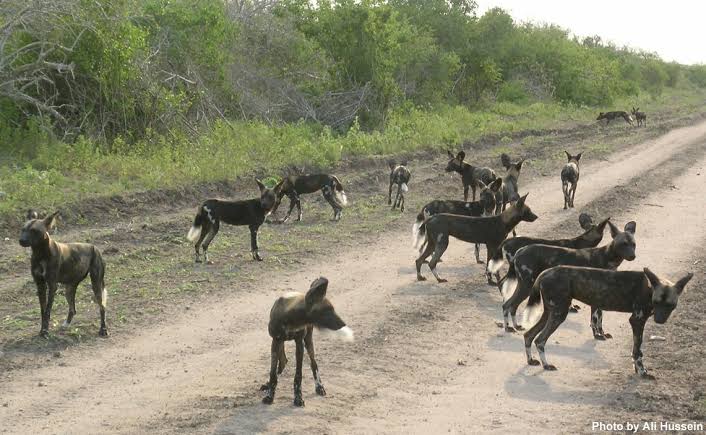
Where Can You See Wild Dogs in Kenya?
Kenya is one of Africa’s most famous safari destinations, offering incredible wildlife experiences across vast landscapes, national parks, and private conservancies. While many travelers dream of seeing lions, elephants, and cheetahs, one of the continent’s most fascinating predators remains a rare and unforgettable sight: the African wild dog. Also known as the painted wolf, this highly social predator represents one of Africa’s greatest conservation stories.
Seeing wild dogs in Kenya requires patience, knowledge, and choosing the right destinations. Unlike lions or elephants, wild dogs do not have large populations across Kenya, making every encounter special. Their unpredictable movements, wide hunting ranges, and endangered status make sightings a true privilege for wildlife lovers.
Kenya’s conservation areas provide some of the best opportunities to experience these remarkable animals in their natural environment. From the open plains of Laikipia to protected wilderness areas in northern Kenya, travelers can discover wild dogs while supporting responsible tourism and conservation efforts.
Combined Uganda, Kenya, Rwanda and Tanzania Safaris
17 days Kenya Tanzania and Uganda safari
19 Days Uganda Kenya and Tanzania Safari
16 Days Kenya Tanzania and Uganda Safari
14 Days Kenya Uganda and Tanzania Safari
14 Days Kenya Uganda and Rwanda Safari
12 Day Gorilla Trekking and Tanzania Safari
Understanding African Wild Dogs and Their Importance in Kenya
African wild dogs are among the most unique predators found in Africa. Unlike many large carnivores that depend mainly on strength and individual hunting skills, wild dogs succeed through teamwork, communication, and strong family bonds. Their scientific name, Lycaon pictus, reflects their colorful coats, which display different patterns of black, brown, white, and yellow fur. Every wild dog has a unique coat pattern, similar to a human fingerprint.
Wild dogs live in close family groups called packs. A pack usually follows a strong social structure led by a dominant breeding pair. The entire group works together to raise puppies, protect territory, and hunt efficiently. Their teamwork allows them to chase prey over long distances and achieve very high hunting success compared to many other African predators.
In Kenya, wild dogs play an important role in maintaining healthy ecosystems. They control herbivore populations and contribute to natural balance within wilderness areas. However, they face many challenges, including habitat loss, disease transmission from domestic animals, road accidents, and conflicts with humans.
Because wild dogs require large spaces to survive, conservation areas with strong protection provide the best chances of seeing them. Kenya’s wildlife organizations and private conservancies continue to protect these predators by preserving habitats and creating safe environments where packs can recover.
For travelers, seeing a wild dog is more than just a safari highlight. It represents a connection with one of Africa’s most endangered and beautiful species.
Laikipia County: One of Kenya’s Best Places to See Wild Dogs
Laikipia is widely recognized as one of Kenya’s strongest destinations for African wild dog sightings. Located in central Kenya near Mount Kenya, this region combines breathtaking landscapes, private conservancies, and successful conservation programs. Unlike traditional national parks, Laikipia offers large protected areas where wildlife can move freely with fewer crowds.
The region’s conservancies provide ideal conditions for wild dogs because they offer extensive wilderness areas, strong security, and active conservation management. Some of Kenya’s most successful wildlife monitoring programs operate in Laikipia, helping researchers understand wild dog movements, population trends, and survival challenges.
Travelers visiting Laikipia have opportunities to explore areas where wild dog packs regularly move. The landscape includes open grasslands, woodlands, rocky hills, and river systems, creating a diverse habitat that supports many wildlife species. Besides wild dogs, visitors can encounter elephants, giraffes, zebras, lions, leopards, and numerous bird species.
One major advantage of Laikipia is the personalized safari experience. Private conservancies often allow guided walks, off-road game drives, and longer wildlife observation periods. These activities increase the chance of finding rare animals while creating a deeper connection with nature.
For travelers who want a unique Kenya safari away from crowded destinations, Laikipia offers an excellent opportunity to search for African wild dogs while supporting conservation-driven tourism.
Ol Pejeta Conservancy: A Conservation Destination for Rare Wildlife Encounters
Ol Pejeta Conservancy stands among Kenya’s most respected conservation areas. Located in the Laikipia region, the conservancy protects a wide range of wildlife and supports important programs focused on endangered species protection. Although it is famous for rhino conservation, Ol Pejeta also provides habitat for African wild dogs.
The conservancy’s large protected landscape allows predators to move naturally while maintaining a safe environment for wildlife. Wild dog sightings can happen during game drives, especially when experienced guides track pack movements and understand their behavior.
Ol Pejeta provides an excellent safari experience because visitors can enjoy both wildlife viewing and conservation education. Travelers learn how conservation teams protect threatened species while experiencing Kenya’s natural beauty. This combination creates a deeper safari experience beyond simply watching animals.
The conservancy also demonstrates how tourism can support wildlife protection. Revenue from responsible tourism helps fund conservation programs, security operations, habitat management, and community initiatives. Therefore, every visitor contributes to protecting Kenya’s wildlife heritage.
While wild dog sightings cannot be guaranteed, visiting Ol Pejeta increases the possibility of encountering these rare predators in a responsible and sustainable way.
Samburu National Reserve and Northern Kenya Wilderness Areas
Northern Kenya offers some of the most authentic wilderness experiences on the continent. The region’s remote landscapes, including areas around Samburu National Reserve, provide important habitats for African wild dogs.
Samburu’s dramatic scenery, including dry riverbeds, rocky hills, and open savannah, creates a unique safari environment. The reserve is especially famous for rare northern species such as Grevy’s zebra, reticulated giraffe, and gerenuk. However, visitors also have opportunities to encounter predators, including wild dogs.
Wild dogs in northern Kenya often travel across large territories. Their movements depend on prey availability, water sources, and seasonal conditions. Because of this, sightings require skilled guides who understand animal behavior and local landscapes.
A safari in Samburu offers more than wildlife viewing. Visitors experience a different side of Kenya, where traditional cultures, untouched wilderness, and conservation efforts exist together. Local communities play an important role in protecting wildlife because sustainable tourism creates economic opportunities connected to conservation.
Travelers who explore northern Kenya should keep expectations realistic. Wild dogs are rare, but the possibility of seeing them in such a remote and beautiful environment makes the experience even more rewarding.
Maasai Mara: Possible but Rare Wild Dog Sightings
The Maasai Mara National Reserve remains one of the world’s most famous safari destinations. Known for the Great Migration, large predator populations, and endless grasslands, the Mara attracts millions of wildlife lovers every year. Although wild dogs are not commonly associated with this area today, sightings are possible.
Historically, African wild dogs lived across many parts of Kenya, including areas around the Mara ecosystem. However, habitat changes, disease, and human pressure reduced their numbers in many regions. Today, occasional sightings occur when packs move through the wider ecosystem.
The Maasai Mara still provides an incredible wildlife experience because travelers can see many other iconic African animals. Lions, cheetahs, leopards, elephants, and large herds of grazing animals create unforgettable safari moments.
Visitors hoping to see wild dogs in the Mara should work with experienced safari operators who understand current wildlife movements. Guides with strong local knowledge can identify unusual sightings and provide better opportunities.
Although wild dogs are not the main attraction of the Maasai Mara, the possibility of encountering them adds excitement to an already extraordinary safari destination.
The Best Time to See Wild Dogs in Kenya
Choosing the right time for a Kenya safari can improve your chances of seeing African wild dogs. However, because these animals move constantly across large territories, sightings are never guaranteed. Successful wildlife viewing depends on location, weather conditions, prey movements, and expert guiding.
The dry seasons, usually from June to October and January to March, often provide better wildlife viewing opportunities. During these periods, animals gather around limited water sources, making them easier to locate. Additionally, vegetation becomes thinner, improving visibility across open landscapes.
Early mornings and late afternoons offer the best chances of seeing wild dogs. These predators are active hunters, and they often travel or search for prey during cooler parts of the day. Midday heat usually reduces their activity as they rest in shaded areas.
The rainy seasons can also provide rewarding experiences. Fresh vegetation attracts herbivores, creating opportunities for predators. Furthermore, fewer tourists visit during these periods, allowing for more peaceful safari experiences.
A knowledgeable guide remains one of the most important factors in finding wild dogs. Their understanding of tracks, animal behavior, and recent sightings greatly improves the chances of a successful encounter.
How to Enjoy a Responsible Wild Dog Safari Experience
Responsible tourism plays a major role in protecting African wild dogs and Kenya’s natural ecosystems. Travelers can support conservation by choosing ethical safari operators, respecting wildlife rules, and avoiding activities that disturb animals.
When searching for wild dogs, visitors should maintain a safe distance and allow animals to behave naturally. Good guides prioritize animal welfare and avoid chasing or blocking wildlife for photographs. This approach protects animals while creating more authentic experiences.
Travelers should also support conservation-focused lodges and conservancies. These organizations often invest directly in wildlife protection, community development, and habitat preservation. By choosing responsible tourism providers, visitors help create long-term benefits for both wildlife and local communities.
Photography should always focus on respect rather than simply capturing a perfect image. Avoid loud noises, sudden movements, or actions that change animal behavior. The best wildlife photographs come from patience and allowing animals to remain comfortable.
A wild dog safari creates memories that last a lifetime. However, the greatest reward comes from knowing that your visit contributes to protecting these incredible animals for future generations.
Why Seeing Wild Dogs in Kenya Is a Once in a Lifetime Experience
Seeing African wild dogs in Kenya represents one of the most special wildlife encounters available on the continent. Their rarity, intelligence, teamwork, and endangered status make every sighting meaningful.
Unlike common safari animals, wild dogs require dedication and effort to find. A successful encounter often involves traveling through remote landscapes, working with experienced guides, and spending time observing nature carefully. This process creates a deeper appreciation for Kenya’s wilderness.
Wild dogs also remind travelers about the importance of conservation. Their survival depends on protecting large habitats, supporting local communities, and promoting responsible tourism. Every safari visitor has a role in ensuring that these remarkable predators continue to exist.
Kenya offers many opportunities to discover African wildlife, but finding wild dogs provides something truly unique. It connects travelers with a rare story of survival, teamwork, and conservation success.
For anyone seeking an authentic African safari experience, searching for wild dogs in Kenya offers adventure, education, and a powerful connection with nature. It is not simply about seeing an animal; it is about experiencing one of Africa’s most extraordinary wildlife journeys.
Conclusion
Seeing African wild dogs in Kenya represents one of the most special wildlife encounters available on the continent. Their rarity, intelligence, teamwork, and endangered status make every sighting meaningful.
Unlike common safari animals, wild dogs require dedication and effort to find. A successful encounter often involves traveling through remote landscapes, working with experienced guides, and spending time observing nature carefully. This process creates a deeper appreciation for Kenya’s wilderness. With trusted operators such as Giant Holiday Safaris, travelers benefit from expert guidance that maximizes their chances of sightings while ensuring responsible and ethical safari practices.
Wild dogs also remind travelers about the importance of conservation. Their survival depends on protecting large habitats, supporting local communities, and promoting responsible tourism. Every safari visitor has a role in ensuring that these remarkable predators continue to exist.
Kenya offers many opportunities to discover African wildlife, but finding wild dogs provides something truly unique. It connects travelers with a rare story of survival, teamwork, and conservation success.
For anyone seeking an authentic African safari experience, searching for wild dogs in Kenya offers adventure, education, and a powerful connection with nature. It is not simply about seeing an animal; it is about experiencing one of Africa’s most extraordinary wildlife journeys and with the guidance of Giant Holiday Safaris, that journey becomes even more rewarding.