Which Kenya parks have hippos?
August 19, 2026
How early should I arrive before safari departure?
August 19, 2026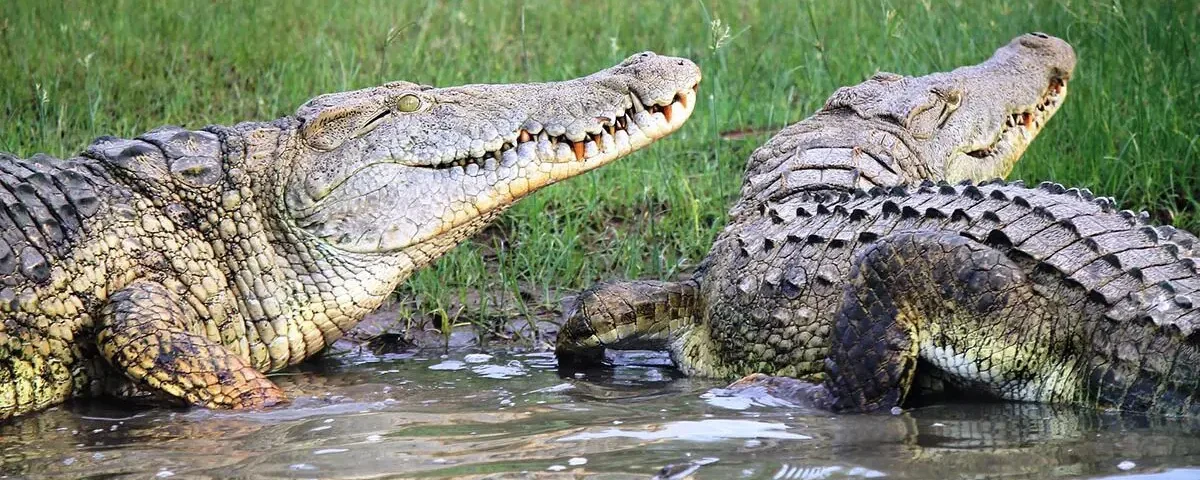
Can You See Crocodiles in Kenya Safaris?
Kenya offers some of the best wildlife experiences in Africa, and crocodiles form an important part of the country’s rich safari ecosystem. These ancient reptiles live in rivers, lakes, wetlands, and other water systems where they can find fish, birds, mammals, and other prey. Therefore, travelers who visit the right destinations have a strong chance of seeing crocodiles during a Kenya safari. The experience becomes even more impressive when a large crocodile rests quietly along a riverbank, almost completely hidden by mud, grass, or water.
Crocodiles also add another layer of excitement to wildlife viewing because they behave differently from the animals that visitors usually expect to see on safari. Lions, elephants, giraffes, and zebras often attract attention because they move across open plains. Crocodiles, however, can remain motionless for long periods while watching their surroundings. Their stillness can make them difficult to notice, yet once you learn where to look, you can spot them more easily.
Kenya’s rivers and lakes provide excellent habitats for Nile crocodiles, the species most commonly encountered on safari. The Mara River, for example, is famous for dramatic wildlife activity and supports crocodiles throughout the year. Several other parks and reserves also offer opportunities to see these reptiles. However, sightings depend on location, season, water levels, weather, and animal behavior.
For international travelers planning a safari, understanding where crocodiles live and how to observe them safely can make the wildlife experience more rewarding. Kenya does not simply offer a chance to see crocodiles; it provides an opportunity to understand how these powerful reptiles fit into a wider African ecosystem.
Combined Uganda, Kenya, Rwanda and Tanzania Safaris
17 days Kenya Tanzania and Uganda safari
19 Days Uganda Kenya and Tanzania Safari
16 Days Kenya Tanzania and Uganda Safari
14 Days Kenya Uganda and Tanzania Safari
14 Days Kenya Uganda and Rwanda Safari
12 Day Gorilla Trekking and Tanzania Safari
Where Can You See Crocodiles in Kenya?
Travelers can see crocodiles in several Kenyan safari destinations, particularly around permanent rivers, lakes, and wetlands. The most famous location is the Maasai Mara National Reserve, where the Mara River provides suitable habitat for Nile crocodiles. The river supports a wide range of wildlife, and crocodiles often remain close to the water while waiting for opportunities to feed.
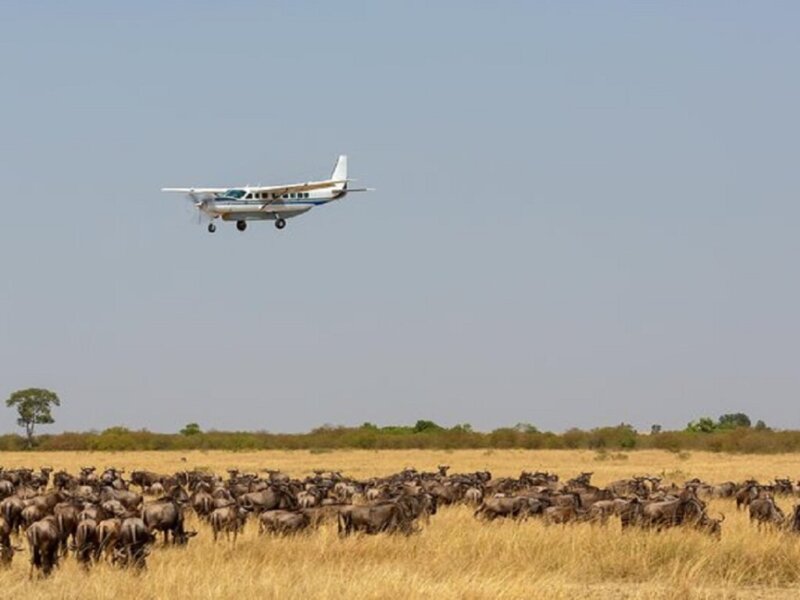
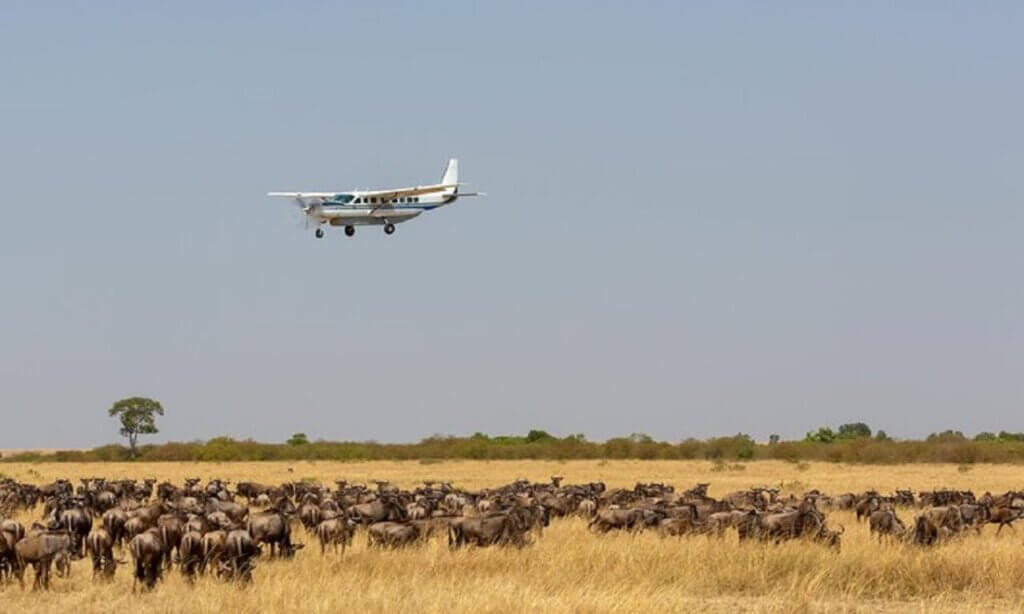
The Mara River becomes especially interesting during the annual wildebeest migration. Huge herds cross the river at different points during the migration season, creating one of Africa’s most famous wildlife spectacles. Crocodiles naturally benefit from the concentration of animals near the water. However, travelers should understand that wildlife crossings remain unpredictable. A safari guide cannot guarantee that a specific crossing will happen during a particular game drive.
Lake Nakuru National Park also offers opportunities to encounter crocodiles, although the experience differs from viewing them along the Mara River. The park sits within the Great Rift Valley and contains a lake surrounded by diverse habitats. Other Kenyan waterways and wetlands can support crocodiles as well.
Tsavo National Park also deserves attention because of its extensive river systems and diverse wildlife habitats. The Galana River and other water sources create environments where crocodiles can survive. In addition, areas around Lake Turkana and other northern Kenyan waters can support crocodile populations.
Therefore, travelers should not limit their expectations to one reserve. Kenya’s varied landscapes create multiple opportunities to encounter these remarkable reptiles.
Are Nile Crocodiles Common in Kenya?
Nile crocodiles are well established in Kenya, particularly in areas with suitable permanent water sources. They thrive in warm environments where rivers, lakes, and wetlands provide food, shelter, and places for breeding. Because crocodiles spend much of their time in or near water, their distribution closely follows the availability of these habitats.
Although Nile crocodiles can occur in large numbers in suitable locations, travelers should not expect to see them around every river or lake. Wildlife does not follow a fixed schedule. Crocodiles may remain underwater, move into vegetation, or position themselves away from common viewing areas. As a result, even a destination known for crocodiles may produce different sightings from one safari day to another.
Their appearance also depends on the time of day. Crocodiles often bask in the sun, particularly during cooler morning hours or later in the afternoon. During these periods, travelers may see them lying on riverbanks or sandbars with their mouths open. This behavior can help regulate body temperature.
The crocodile’s ability to remain still for long periods can also make it appear less common than it actually is. A trained guide knows how to scan riverbanks and recognize subtle signs of a crocodile’s presence. Consequently, travelers who explore with experienced guides often notice animals that they might otherwise overlook.
For visitors interested in African wildlife, seeing a Nile crocodile provides more than a dramatic photograph. It demonstrates the importance of healthy waterways and the role predators play in maintaining ecological balance.
Can You See Crocodiles During the Great Wildebeest Migration?
Yes, the Great Wildebeest Migration creates one of the most exciting opportunities to see crocodiles in Kenya. Each year, large numbers of wildebeest and other grazing animals move through the Maasai Mara ecosystem. During river crossings, animals enter water that may contain crocodiles waiting near the banks or beneath the surface.
The Mara River acts as a major part of this dramatic journey. When wildebeest gather near a crossing point, the atmosphere can change quickly. Herds may hesitate at the riverbank before entering the water. Once they begin crossing, the river becomes crowded with animals moving through strong currents.
Crocodiles have adapted to these seasonal opportunities. Their powerful bodies, strong jaws, and ability to remain underwater make them highly effective aquatic predators. However, travelers should avoid viewing the migration only as a predator-and-prey event. The crossing forms part of a much larger natural cycle involving rainfall, grass availability, river conditions, breeding patterns, and animal movement.
Importantly, migration timing changes from year to year. Weather patterns influence the movement of the herds, so visitors should avoid treating a calendar date as a guarantee. A reputable safari operator plans around wildlife conditions while keeping expectations realistic.
The most responsible way to experience a river crossing involves maintaining a safe distance, remaining inside the safari vehicle, and following guide instructions. Wildlife deserves space, especially around water where animals can behave unpredictably.
What Do Crocodiles Eat in Kenya?
Crocodiles have a broad diet that changes according to their size, habitat, and available prey. Smaller crocodiles may feed on fish, insects, frogs, birds, and other small animals. Larger adults can take considerably bigger prey, including mammals that approach rivers and lakes to drink.
Fish provide an important food source in many Kenyan waterways. Crocodiles can remain partially submerged while watching for movement near the surface. Their eyes and nostrils sit near the top of the head, allowing them to stay largely hidden while monitoring their surroundings.
However, crocodiles can also take advantage of larger opportunities. When wildebeest, zebras, antelope, or other mammals enter rivers, large crocodiles may position themselves near crossing points. Their powerful jaws allow them to capture prey with remarkable force.
Despite their reputation as aggressive predators, crocodiles do not constantly hunt. Much of their behavior involves conserving energy. They can remain still for long periods and wait for an opportunity rather than actively chasing prey across long distances.
This strategy makes crocodiles an important part of aquatic ecosystems. They help regulate animal populations and consume available prey within their habitat. In addition, their presence demonstrates the health and productivity of the waterways that support them.
For safari travelers, watching a crocodile hunt can become a memorable wildlife moment. Still, nature does not perform on demand. The best safari experience comes from observing patiently rather than expecting a specific event.
What Is the Best Time to See Crocodiles in Kenya?
Travelers can potentially see crocodiles throughout the year, although some periods may offer better viewing conditions depending on the destination. Dry seasons often make wildlife easier to locate because animals concentrate around remaining water sources. Consequently, rivers, lakes, and permanent waterholes can become important wildlife viewing areas.
During cooler mornings, crocodiles may bask along riverbanks as they warm their bodies. Later in the day, they may move closer to or into the water as temperatures rise. Therefore, early morning and late afternoon game drives can provide useful opportunities for observing them.
The migration season creates another special opportunity in the Maasai Mara. When wildebeest and other animals move through the region, crocodiles may become more visible around the Mara River. Nevertheless, migration conditions vary each year, and river crossings remain unpredictable.
The rainy seasons can also offer valuable wildlife experiences. Fresh vegetation transforms many landscapes, and birdlife becomes especially active. However, heavy rain can affect road conditions and make some areas harder to access.
Rather than choosing a safari season based only on crocodiles, travelers should consider the entire wildlife experience. Kenya offers lions, elephants, cheetahs, leopards, rhinos, giraffes, buffaloes, hippos, birds, and countless smaller species. A well planned itinerary should therefore combine different habitats and wildlife priorities.
A knowledgeable safari planner can match travel dates with the traveler’s interests, preferred destinations, budget, and available time. This approach creates a stronger overall experience than planning around a single animal.
How Do Safari Guides Find Crocodiles?
Experienced safari guides use observation, local knowledge, and an understanding of animal behavior to locate crocodiles. They know the rivers, lakes, channels, sandbanks, and resting areas where crocodiles commonly spend time. This knowledge gives travelers a much better chance of spotting animals that blend naturally into their surroundings.
At first glance, a crocodile can look like a log lying near the water. Its rough skin often matches the surrounding mud, rocks, and vegetation. A guide therefore scans for details such as the shape of the head, eyes above the water, exposed back, or unusual movement along the riverbank.
Guides also consider environmental conditions. Water levels, temperature, prey activity, and human activity can influence where crocodiles position themselves. For example, a crocodile may choose a particular sandbank because it receives strong sunlight during the morning.
Patience matters as well. Safari viewing does not always involve constant movement. Sometimes the best approach involves stopping near a safe observation point and allowing the traveler’s eyes to adjust to the landscape.
Good guiding also includes responsible wildlife behavior. Guides maintain appropriate distances and avoid actions that unnecessarily disturb animals. They understand that a quality safari protects the wildlife experience instead of chasing animals for photographs.
For international visitors, an experienced guide provides valuable interpretation. Seeing a crocodile becomes more meaningful when travelers understand its behavior, habitat, feeding strategy, and role within the ecosystem.
Are Crocodiles Dangerous on a Kenya Safari?
Crocodiles are powerful wild animals, and travelers should treat them with serious respect. However, visitors who follow established safari safety rules can enjoy wildlife viewing without unnecessary risk. The greatest danger comes from approaching crocodiles too closely, entering their habitat without proper supervision, or ignoring guide instructions.
Travelers should never walk close to a crocodile simply to take a photograph. They should also avoid swimming or standing near riverbanks in areas where crocodiles live unless local authorities and qualified guides clearly identify a safe location.
Safari vehicles provide an important layer of protection during game drives. Visitors should remain inside the vehicle unless the guide identifies a safe area for getting out. Even when a crocodile appears motionless, travelers should remember that these animals can move quickly over short distances.
Water environments also require extra caution because crocodiles may remain difficult to see beneath the surface. A quiet river does not automatically mean a safe river.
Responsible safari companies place safety before photographs. They brief travelers, follow park regulations, maintain suitable distances, and use experienced guides who understand animal behavior.
This approach benefits both visitors and wildlife. Travelers enjoy closer observation without unnecessary disturbance, while crocodiles retain their natural behavior. Ultimately, the best wildlife experience combines excitement with respect.
How Can You Photograph Crocodiles on Safari?
Crocodiles offer excellent photography opportunities because their distinctive bodies, textured skin, powerful jaws, and reflective eyes create strong visual subjects. However, good wildlife photography requires patience rather than risky positioning.
A telephoto lens can help travelers capture detailed images while maintaining a safe distance. Instead of asking the driver to move dangerously close, photographers can use available optical zoom and wait for the animal to adopt an interesting position.
Morning and late afternoon light can create attractive conditions because softer sunlight reveals the crocodile’s texture without producing the harsh shadows associated with midday photography. Reflections on calm water can also add depth to an image.
Travelers should avoid using flash near wildlife unless a guide or park authority clearly permits it. Sudden flashes can disturb animals and reduce the quality of natural wildlife encounters.
Composition matters too. A crocodile lying beside a river can tell a stronger story when the photograph includes some of the surrounding habitat. The river, vegetation, rocks, and sky can help explain where the animal lives.
Most importantly, photography should never take priority over safety or animal welfare. A photograph becomes far more valuable when it records a respectful encounter with wildlife.
Visitors should also remember that every safari vehicle has its own viewing position. Instead of competing for the closest angle, photographers can focus on patience, composition, light, and storytelling. These techniques often produce better results anyway.
Why Are Crocodiles Important to Kenya’s Ecosystems?
Crocodiles play an important role in aquatic ecosystems across Kenya. As predators, they influence populations of fish, birds, reptiles, and mammals that depend on rivers and lakes. Their presence forms part of the natural balance that keeps ecosystems functioning.
They also connect land and water environments. Many animals visit rivers and lakes to drink, while aquatic species depend on the same water systems for survival. Crocodiles sit within this interconnected food web and respond to changes in prey populations, water conditions, and habitat quality.
Healthy crocodile populations can therefore indicate the continued availability of suitable habitat. However, conservation requires more than protecting individual animals. Rivers, wetlands, lakes, breeding areas, and surrounding landscapes also need protection.
Human activity can place pressure on aquatic ecosystems through habitat destruction, pollution, uncontrolled development, and unsustainable resource use. Conservation programs therefore need to consider both wildlife and the communities that depend on natural resources.
Kenya’s protected areas provide valuable spaces where wildlife can survive with reduced human pressure. At the same time, responsible tourism can support conservation by creating economic value around healthy ecosystems.
Travelers contribute to this process when they choose responsible safari operators, respect park rules, avoid littering, and support conservation-focused tourism. Their visits can help demonstrate why wildlife habitats deserve long-term protection.
Understanding the ecological role of crocodiles changes the safari experience. Instead of viewing them simply as dangerous reptiles, visitors can recognize them as important members of Kenya’s natural heritage.
What Should You Expect During a Crocodile Safari Experience?
Travelers should approach crocodile viewing with realistic expectations. A safari does not guarantee a close encounter with a particular animal, because wildlife moves freely and responds to natural conditions. However, Kenya’s rich ecosystems provide strong opportunities to encounter crocodiles when travelers visit suitable habitats.
Some sightings may involve a single crocodile resting beside a river. Others may reveal several animals gathered along a sandbank. Occasionally, travelers may see crocodiles partly submerged, with only their eyes and upper heads visible above the water.
The experience can become even more interesting when guides explain the surrounding ecosystem. A crocodile sighting may occur alongside hippos, birds, fish, antelope, elephants, or other wildlife using the same water source.
Travelers should also expect periods of waiting. Wildlife viewing rewards patience. The most memorable encounter may happen after several quiet minutes when a crocodile suddenly changes position or enters the water.
A good safari itinerary should therefore leave enough time for observation. Rushing from one destination to another can reduce opportunities to appreciate smaller wildlife moments.
Travelers should also prepare for changing weather and road conditions. Kenya’s safari landscapes can range from open grasslands to forests, wetlands, rocky terrain, and river valleys. Comfortable clothing, sun protection, drinking water, binoculars, and suitable photography equipment can improve the experience.
Most importantly, approach every encounter with respect. The goal is not simply to see a crocodile but to experience Kenya’s wildlife in a responsible and meaningful way.
Final Thoughts on Seeing Crocodiles in Kenya Safaris
Yes, you can see crocodiles on Kenya safaris, especially around rivers, lakes, wetlands, and other permanent water sources. The Maasai Mara stands out because the Mara River provides excellent habitat and becomes particularly fascinating during the wildebeest migration. Tsavo, Lake Nakuru, and other Kenyan ecosystems can also provide opportunities to encounter these powerful reptiles.
The best approach involves patience, expert guiding, responsible wildlife viewing, and realistic expectations. Crocodiles may remain hidden, partly submerged, or motionless for long periods, so careful observation often makes the difference between missing one and enjoying a memorable sighting.
Kenya offers far more than isolated wildlife encounters. Its rivers, plains, forests, lakes, and protected areas create interconnected ecosystems where every species has a role. When travelers understand that connection, even a quiet crocodile sighting can become one of the most fascinating moments of a safari.
For travelers seeking dependable planning, knowledgeable guidance, and carefully designed African wildlife experiences, Giant Holiday Safaris provides a trusted approach to exploring Kenya. With attention to wildlife, safety, local knowledge, and responsible tourism, the right safari can turn a simple crocodile sighting into part of a much richer African adventure.