Can you see baby animals in Kenya safaris?
July 31, 2026
What are the best months for wildlife viewing in Kenya?
July 31, 2026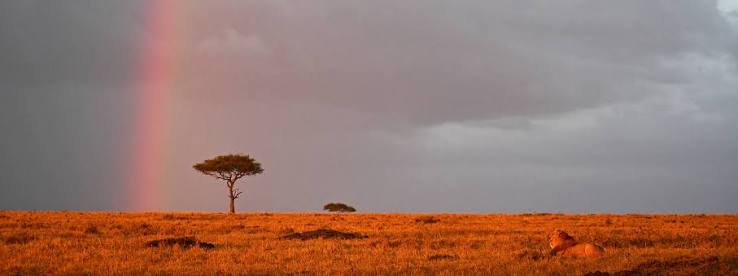
What Is the Dry Season in Kenya?
Kenya’s dry season represents one of the most rewarding times to explore the country’s incredible landscapes, wildlife destinations, and cultural experiences. The season creates ideal conditions for travelers who want to discover Africa’s natural beauty through unforgettable safari adventures, photography journeys, and outdoor exploration. During this period, Kenya experiences lower rainfall, clearer skies, warmer days, and easier access to many national parks and conservation areas. These conditions make the dry season one of the most popular travel periods for visitors from around the world.
Kenya stands among Africa’s leading safari destinations because it offers a rare combination of abundant wildlife, diverse ecosystems, and well established tourism experiences. From the vast grasslands of the Maasai Mara to the elephant filled landscapes of Amboseli and the scenic wilderness of Tsavo, each destination provides unique opportunities throughout the year. However, the dry season often creates some of the most memorable wildlife encounters because animals gather around reliable water sources, vegetation becomes thinner, and game viewing becomes easier.
Understanding Kenya’s dry season helps travelers make informed decisions about when to visit, where to go, and what experiences to prioritize. Every month offers different advantages, and choosing the right period depends on personal interests such as wildlife viewing, photography, budget considerations, and preferred travel conditions. Therefore, learning how Kenya’s seasons work allows visitors to plan a smoother and more rewarding African adventure.
The dry season also plays an important role in Kenya’s tourism industry. Tour operators, guides, conservation teams, and local communities prepare carefully during this period to provide safe, responsible, and high quality travel experiences. Professional safari planning ensures that visitors enjoy the best possible opportunities while supporting conservation efforts and local livelihoods.
For international travelers searching for an authentic African experience, Kenya’s dry season provides excellent opportunities to witness nature at its most dramatic. The combination of favorable weather, impressive wildlife activity, and breathtaking scenery creates a powerful travel experience that continues to attract explorers from every corner of the world.
Combined Uganda, Kenya, Rwanda and Tanzania Safaris
17 days Kenya Tanzania and Uganda safari
19 Days Uganda Kenya and Tanzania Safari
16 Days Kenya Tanzania and Uganda Safari
14 Days Kenya Uganda and Tanzania Safari
14 Days Kenya Uganda and Rwanda Safari
12 Day Gorilla Trekking and Tanzania Safari
What Is the Dry Season in Kenya?
The dry season in Kenya is the period of the year when the country receives very little rainfall compared to the wetter months. Generally, Kenya experiences two main dry seasons: the longer dry season from June to October and the shorter dry season that occurs around January and February. During these months, rainfall decreases significantly, humidity levels remain comfortable in many regions, and travelers enjoy more predictable weather conditions.
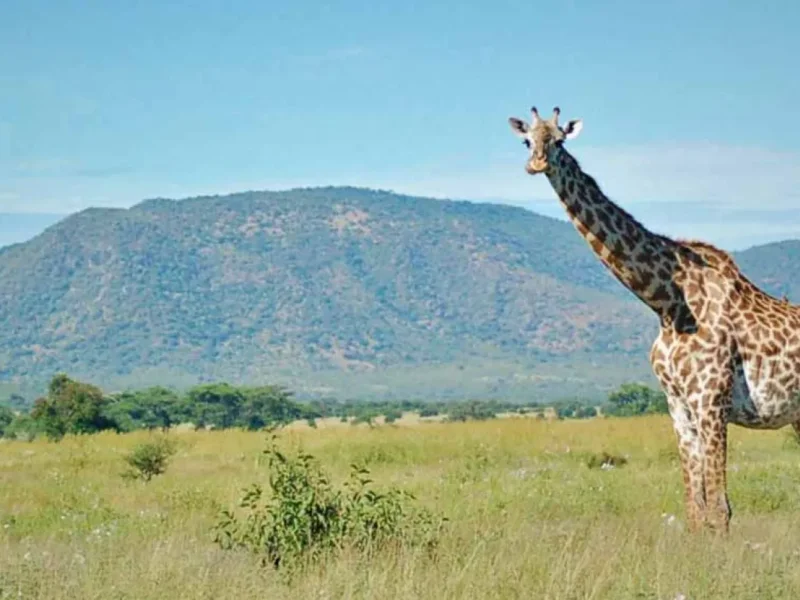
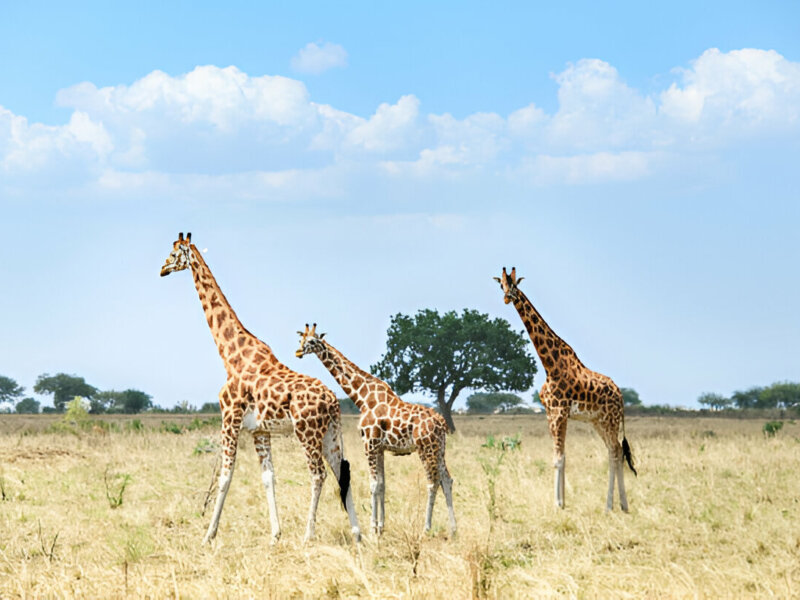
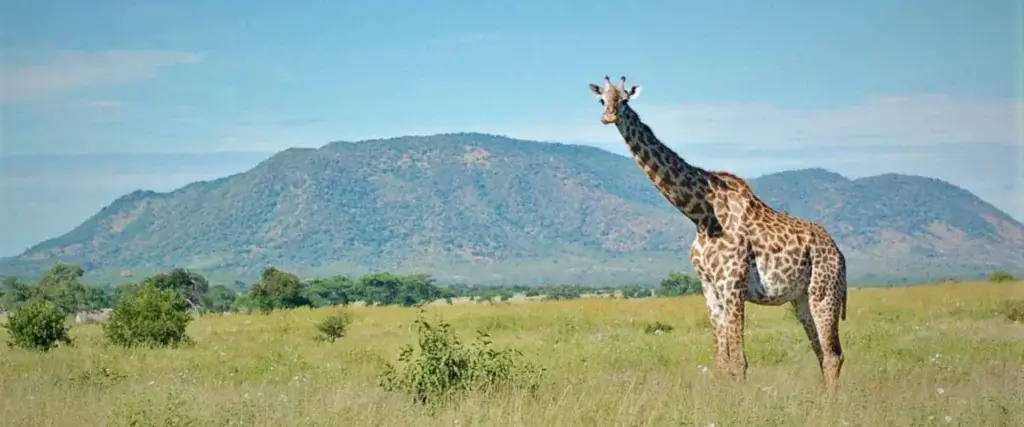
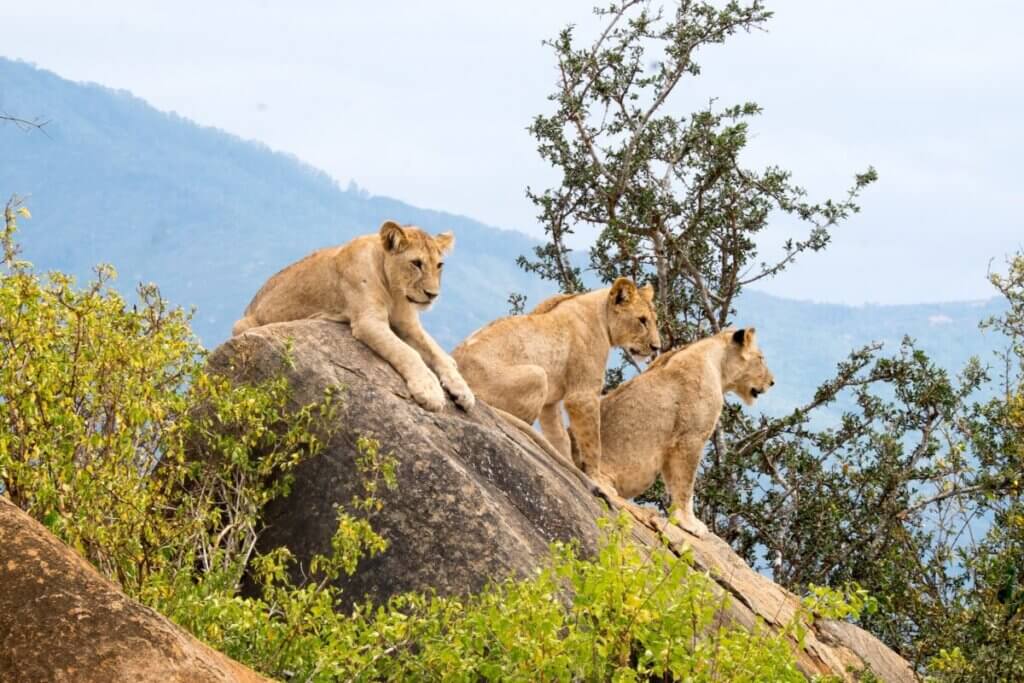
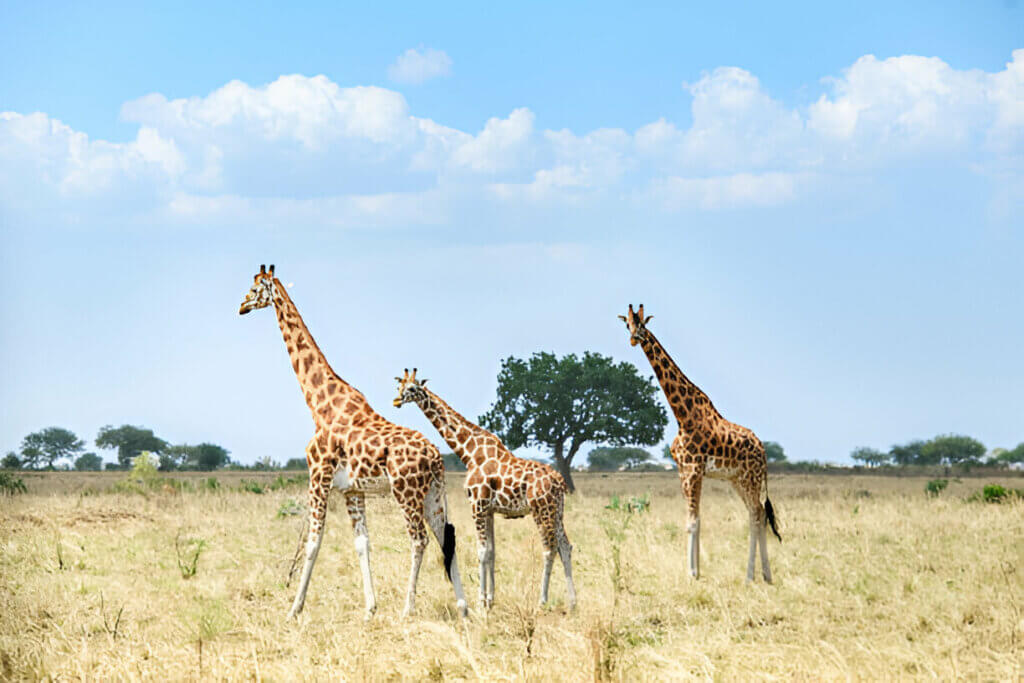
The main dry season from June to October is widely considered the best period for classic safari experiences. During this time, many national parks and wildlife reserves experience drier landscapes, which encourage animals to move closer to rivers, lakes, and permanent waterholes. As a result, visitors often have better chances of spotting large groups of elephants, lions, buffalo, giraffes, zebras, and other iconic African species.
However, Kenya’s dry season does not mean the country becomes completely dry or lifeless. Instead, the landscapes transform in fascinating ways. Golden grasslands replace the fresh green appearance of the rainy months, creating dramatic scenery that many photographers love. The lower vegetation allows visitors to see wildlife more clearly, while the bright skies provide excellent conditions for capturing stunning photographs.
The dry season also creates easier travel conditions across many regions. Roads inside some parks become more accessible, reducing challenges caused by muddy conditions during heavy rains. This advantage allows safari vehicles to reach remote areas where wildlife sightings often occur. Additionally, the comfortable temperatures make early morning and late afternoon game drives enjoyable, which are the best times to observe active wildlife.
Although the dry season attracts many travelers, Kenya offers enough diversity and space to provide excellent experiences throughout the country. Experienced travel planners understand how to combine popular destinations with lesser known conservation areas to create balanced itineraries. This approach allows visitors to enjoy incredible wildlife encounters while avoiding unnecessary crowds.
The dry season also connects strongly with Kenya’s famous wildlife events. One of the most remarkable natural experiences occurs during the annual wildebeest migration, when millions of animals move between Tanzania’s Serengeti and Kenya’s Maasai Mara. Although migration timing changes each year depending on rainfall patterns, the dry months often provide opportunities to witness dramatic river crossings and large animal movements.
Beyond wildlife, the dry season creates perfect conditions for cultural exploration, mountain adventures, and beach holidays. Travelers can combine a safari in the interior with relaxing experiences along Kenya’s Indian Ocean coastline. Destinations such as Diani Beach, Watamu, and Lamu offer warm coastal weather during many dry season months, allowing visitors to enjoy both wilderness and relaxation in one journey.
Understanding the dry season allows travelers to appreciate Kenya beyond simple weather patterns. It represents a period when nature, tourism, conservation, and local communities work together to create some of Africa’s most powerful travel experiences.
Why Kenya’s Dry Season Is Considered the Best Time for Safari Adventures
Kenya’s dry season remains highly popular among safari travelers because it creates some of the most favorable conditions for wildlife viewing. During these months, animals face greater challenges finding water, so many species gather around rivers, lakes, and waterholes. This natural behavior increases the chances of close and memorable encounters between visitors and wildlife.
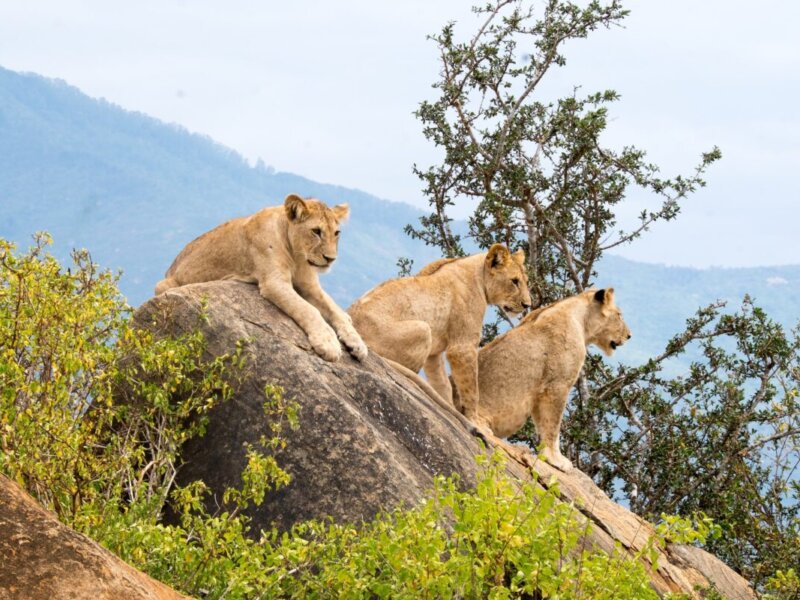
One major advantage of the dry season is improved visibility. As grasses become shorter and vegetation becomes less dense, travelers can observe animals more easily across open landscapes. In areas such as the Maasai Mara National Reserve, this creates excellent opportunities to watch predators such as lions, cheetahs, and leopards as they move through the plains. Photographers also benefit because open landscapes provide clearer views and better lighting conditions.
Furthermore, dry season mornings and evenings create ideal moments for safari activities. Wildlife remains most active during cooler hours because temperatures rise during midday. Therefore, early morning game drives allow visitors to witness hunting behavior, animal movements, and the beginning of daily activities. Evening drives provide another opportunity to observe predators becoming more active as the sun sets over the wilderness.
The dry season also improves comfort during travel. Kenya’s wildlife destinations often involve long drives across natural landscapes, and dry weather makes these journeys more enjoyable. Travelers spend less time dealing with challenging road conditions and more time exploring different areas within national parks and conservancies.
Another important benefit involves photography. Kenya’s dry season provides some of the best conditions for capturing professional quality wildlife images. Clear skies, golden landscapes, and dramatic sunsets create unforgettable scenes. Whether travelers use professional cameras or smartphones, the combination of light and scenery produces impressive memories.
Moreover, the dry season supports a wide range of safari styles. Luxury travelers can enjoy private game drives, exclusive conservancy experiences, and premium accommodation. Budget conscious explorers can also find affordable safari options that provide excellent wildlife encounters. Because Kenya has developed tourism infrastructure over many decades, visitors can choose experiences that match their interests and travel plans.
Responsible tourism becomes especially important during the dry season because increased visitor numbers require careful management. Professional guides help travelers follow conservation guidelines, respect wildlife behavior, and minimize environmental impact. Choosing experienced tourism partners ensures that every journey contributes positively to Kenya’s conservation and community development efforts.
Ultimately, Kenya’s dry season offers more than good weather. It creates a special connection between travelers and nature by bringing wildlife activity, breathtaking scenery, and comfortable exploration together. For anyone planning an African safari, understanding the advantages of this season helps create a more meaningful and successful adventure.
Dry Season Months in Kenya: June to October and January to February Explained
Kenya’s dry season follows two main periods that offer different advantages for travelers. The longer dry season usually occurs from June to October, while the shorter dry season happens around January and February. Each period creates unique travel opportunities, and understanding these differences helps visitors choose the right time based on their safari goals, preferred weather conditions, and desired experiences.
The June to October dry season represents the most famous safari period in Kenya. During these months, rainfall remains low across many wildlife areas, and temperatures create comfortable conditions for outdoor activities. The landscapes gradually become drier, water sources become limited, and wildlife gathers in areas where water remains available. This natural pattern makes game viewing easier because animals become more predictable in their movements.
June marks the beginning of the long dry season and offers excellent opportunities for travelers who prefer fewer crowds compared to the peak months. The weather becomes cooler, especially in the mornings and evenings, making safari drives comfortable. This period also provides beautiful green-to-golden landscape transitions after the previous rainy months, creating attractive scenery for photographers.
July and August are among the busiest safari months because they combine excellent wildlife viewing conditions with the possibility of witnessing the famous wildebeest migration in the Maasai Mara. During this period, large herds move into Kenya from Tanzania’s Serengeti ecosystem. The dramatic movement of thousands of wildebeest, zebras, and other grazing animals creates one of Africa’s most remarkable natural events.
September and October continue to provide outstanding safari experiences. The landscapes become increasingly dry, encouraging animals to remain near dependable water sources. These months often provide excellent predator sightings because lions, cheetahs, and other hunters take advantage of increased animal concentration. Additionally, travelers may enjoy slightly fewer crowds compared to the peak months of July and August.
The shorter dry season in January and February offers another excellent opportunity to explore Kenya. These months fall between the two rainy periods and usually provide warm, sunny weather. Many travelers prefer this time because it combines good wildlife viewing with a quieter atmosphere. The grass remains relatively short after the previous rains, allowing visitors to observe animals clearly.
January and February also represent an excellent period for birdwatching. Many bird species become active, and Kenya’s diverse ecosystems attract both resident and migratory birds. Visitors who enjoy nature photography can capture colorful bird species, beautiful landscapes, and active wildlife during these months.
The choice between these dry seasons depends on personal interests. Travelers who want to experience the great migration often focus on the June to October period, especially between July and September. However, those seeking a peaceful safari experience with fewer visitors may find January and February equally rewarding.
Ultimately, Kenya’s dry season provides flexibility because different months offer different highlights. A well-planned safari considers weather patterns, wildlife movements, destination choices, and personal expectations to create a journey that feels unique and memorable.
Wildlife Experiences During Kenya’s Dry Season
Kenya’s dry season creates some of the most impressive wildlife experiences in Africa. The changing environment influences animal behavior, making this period particularly exciting for visitors who want close encounters with nature. As water becomes less available in many areas, wildlife gathers around permanent rivers, lakes, and waterholes. This natural concentration gives travelers better opportunities to observe animals in their natural habitats.
The Maasai Mara National Reserve remains one of Kenya’s most famous dry-season destinations. The vast open plains provide excellent conditions for spotting lions, cheetahs, leopards, elephants, giraffes, zebras, and many other species. During the migration period, the reserve becomes a spectacular stage where millions of grazing animals move across the landscape. The dramatic scenes of survival, movement, and predator-prey interactions create unforgettable memories.
Amboseli National Park offers another remarkable dry season experience. Located near Mount Kilimanjaro, the park provides breathtaking views of Africa’s highest mountain while supporting large elephant populations. During dry months, elephants frequently gather near water sources, creating incredible photography opportunities. The combination of wildlife and mountain scenery makes Amboseli one of Kenya’s most visually impressive destinations.
Tsavo National Parks, which include Tsavo East and Tsavo West, also provide outstanding dry-season adventures. These parks cover vast wilderness areas where visitors can discover elephants, lions, buffalo, giraffes, and many other species. Because Tsavo is larger and less crowded than some other destinations, it offers a feeling of true wilderness and peaceful exploration.
Samburu National Reserve provides a different type of dry season experience. The region’s semi-arid environment supports unique wildlife species that travelers may not find in other parts of Kenya. Animals such as Grevy’s zebra, reticulated giraffe, and Somali ostrich create special viewing opportunities. The reserve also allows visitors to explore northern Kenya’s landscapes and cultural traditions.
The dry season also improves opportunities for professional wildlife photography. Clear skies, warm sunlight, and open landscapes help photographers capture powerful images. Sunrise and sunset game drives create beautiful lighting conditions, while animal gatherings near water sources provide natural action scenes.
Beyond the famous animals, Kenya’s dry season allows travelers to appreciate smaller details of the ecosystem. Experienced guides help visitors understand animal behavior, plant life, conservation efforts, and the connection between wildlife and local communities. These insights transform a simple safari into an educational and meaningful journey.
Responsible wildlife tourism remains essential during this period. Visitors must respect park rules, maintain safe distances from animals, avoid disturbing wildlife, and support conservation focused tourism providers. These practices protect Kenya’s natural heritage and ensure future generations can enjoy the same incredible experiences.
Kenya’s dry season proves that wildlife viewing involves more than searching for animals. It creates an opportunity to understand nature, experience different ecosystems, and develop a deeper appreciation for Africa’s remarkable biodiversity.
How to Prepare for a Kenya Dry Season Safari
Preparing properly for a Kenya dry season safari helps travelers enjoy a comfortable, safe, and unforgettable adventure. Although the weather conditions are generally favorable, visitors should consider several important factors before beginning their journey. Good preparation allows travelers to focus fully on wildlife experiences and cultural discoveries.
Clothing selection plays an important role during the dry season. Travelers should pack lightweight and comfortable clothing for warm daytime temperatures, along with warmer layers for cool early mornings and evenings. Neutral colored clothing such as beige, brown, and green works well because it blends naturally with the environment and reduces disturbance to wildlife.
Sun protection is also essential because Kenya’s dry season often brings strong sunshine. Visitors should carry sunscreen, sunglasses, and wide brimmed hats to protect themselves during outdoor activities. Staying hydrated remains important, especially during long game drives in open vehicles.
A good camera or smartphone with enough storage space allows travelers to capture memorable moments. Binoculars also improve wildlife viewing by helping visitors observe animals from a safe distance. These simple travel tools can greatly enhance the safari experience.
Choosing the right accommodation also improves the overall journey. Kenya offers many options, including luxury safari lodges, tented camps, and budget friendly accommodations. Professional planning helps travelers select locations that provide convenient access to wildlife areas while matching their comfort preferences and budget.
Travel insurance and proper documentation should also form part of every safari plan. International visitors should confirm passport requirements, travel regulations, and health recommendations before arriving in Kenya. Careful preparation reduces unexpected challenges and creates a smoother travel experience.
Working with an experienced safari operator provides additional benefits. Knowledgeable operators understand seasonal conditions, wildlife movements, road situations, and the best locations for unforgettable encounters. They create organized itineraries that balance adventure, relaxation, and cultural experiences.
Travelers should also embrace responsible tourism practices. Supporting local communities, respecting conservation rules, and minimizing environmental impact helps protect Kenya’s natural treasures. Sustainable travel ensures that tourism continues to benefit wildlife protection and local development.
A Kenya dry season safari becomes more rewarding when visitors prepare with knowledge and respect. The right planning transforms a simple holiday into a life-changing African experience filled with discovery, connection, and unforgettable memories.
Final Thoughts: Experience Kenya’s Dry Season with Confidence and Expert Guidance
Kenya’s dry season offers one of the greatest opportunities to explore Africa’s wildlife, landscapes, and cultural richness. With favorable weather, excellent game viewing conditions, and unforgettable natural experiences, this season continues to attract travelers who want to discover the beauty of Kenya. From the dramatic plains of the Maasai Mara to the elephant filled landscapes of Amboseli and the remote wilderness of northern Kenya, every destination provides something unique.
Understanding the dry season helps travelers make smarter decisions and create journeys that match their interests. Whether the goal involves witnessing the great migration, photographing wildlife, exploring diverse ecosystems, or enjoying peaceful moments in nature, Kenya provides extraordinary possibilities throughout the year.
Successful safari experiences require careful planning, local knowledge, and responsible travel choices. A trusted tourism partner helps visitors discover the best destinations, understand wildlife behavior, and enjoy every moment with confidence. Professional guidance ensures that travelers receive authentic experiences while supporting conservation and local communities.
For travelers seeking a reliable and memorable African adventure, Giant Holiday Safaris provides expertly planned safari experiences designed around Kenya’s natural wonders. With a strong commitment to quality, responsible tourism, and customer satisfaction, Giant Holiday Safaris helps visitors explore Kenya’s dry season with comfort, safety, and unforgettable memories. Choosing the right safari partner transforms a visit to Kenya from a simple trip into a meaningful journey through one of Africa’s most remarkable destinations.